


[Urban walking tour] Taipei|Longshan Temple Cultural Tour|Longshan Temple. Green Grass Lane. Bopiliao Historic District
- Place your order now, guaranteed to join the group, and set off with confidence
- Follow Taiwan’s local English-speaking tour guide and learn about Taipei’s diverse and rich history and origins with your own feet
- Step into the prosperous period of Wanhua area and recall the prosperity of the city back then
- Introduce the temple worship culture, the history of Longshan Temple, and the main gods of Buddhism and Taoism
- Visit special local attractions such as Qingcao Lane and Bopiliao, and taste Taiwan’s unique herbal tea
Package Options


Sightseeing Tours
| Tour Type | Shared tour |
| Transportation method | Get there on your own |
| Tour types | Guided tour |
| Sightseeing type | City walking tour, Japanese castles, Temples & shrines, Historic site tour |
| Transport | Walking |
Product Info
The content of this product is provided by machine translation and may not reflect the actual information, please take this into consideration before booking.
-Itinerary information-
- Meeting time: 17:00
- Meeting point: Exit 1 of Longshan Temple MRT Station
- Trip length: 2 hours
- Commentary language: English
- Main attractions:
- Menga Park
- Bopiliao Historic District
- Ksitigarbha Temple
- Green Grass Alley
- Longshan Temple
Longshan Temple, a century-old national monument


Experience temple culture


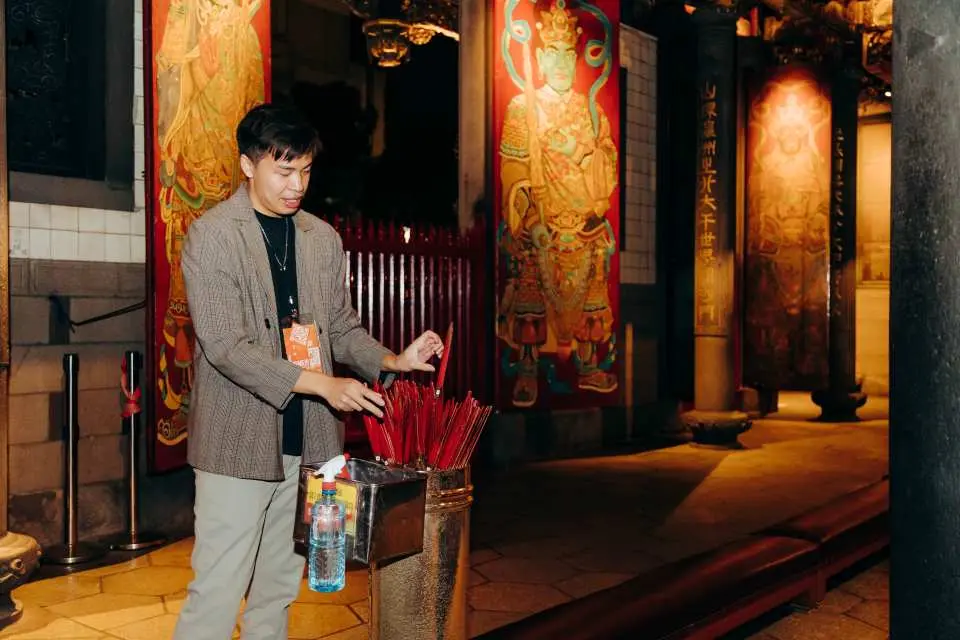


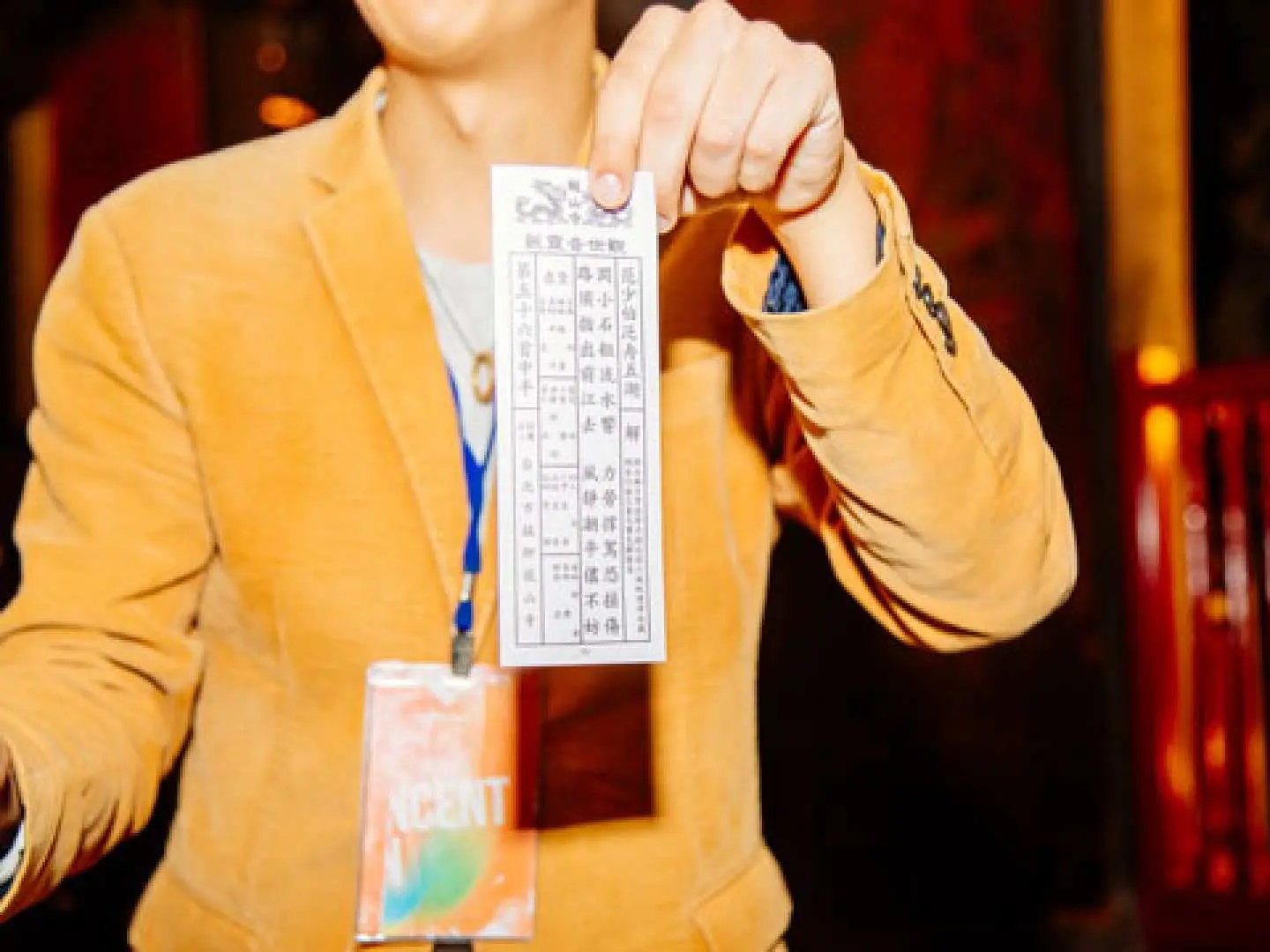
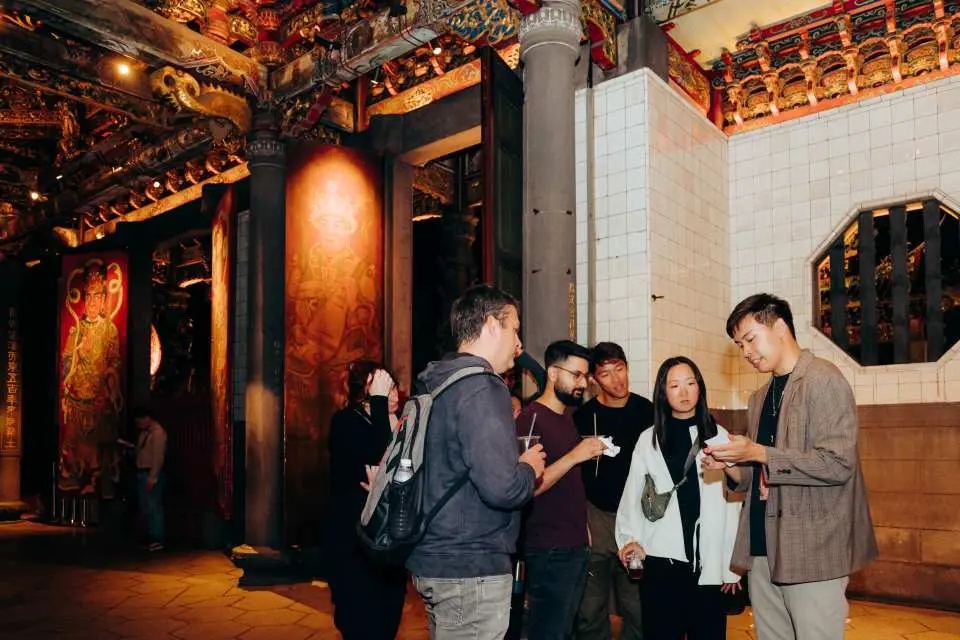


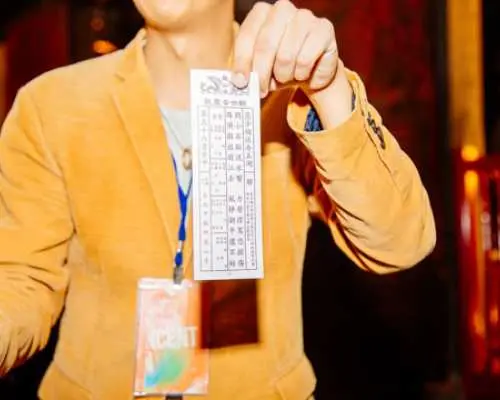
Visit special local attractions such as Qingcao Lane and Bopiliao, and taste Taiwan’s unique herbal tea


Important Info
Reminders
Please arrive at the designated location 10 minute(s) before the scheduled departure time, as the tour will depart on time
It is recommended to bring your own environmentally friendly water bottle and umbrella to replenish water while walking.
It is recommended to wear light and comfortable clothing (dry materials are recommended) and light belongings.
In this activity, you can tip today's service staff according to your feelings and wishes. The recommended amount is: NTD 200-300 (Thank you for your hard work), NTD 400-500 (very good), NTD 500 or more (that's great, thank you)
Cancellation Policy
- Cancellations 2 day(s) (inclusive) before the selected date are allowed. Unused orders can be canceled for free
- Cancellation is not allowed between 0–1 days from the selected date. Orders cannot be canceled or modified, and refunds will not be granted.
- Due to time zone differences, the confirmed cancellation date is based on the supplier’s local time. Please allow 2–5 business days to process your cancellation request, after which the cancellation fee will be charged according to the product’s cancellation policy. Once the cancellation is confirmed, you will receive your refund within 14 working days.
FAQ
Longshan Temple is a revered national monument in Taipei, established in 1738. It's famous for its exquisite traditional southern Chinese palace-style architecture, intricate carvings, and diverse pantheon of deities. It uniquely blends Buddhist and Taoist worship, housing Guanyin as its main deity, alongside numerous other folk gods, reflecting Taiwan's syncretic religious traditions.
The best time to visit Longshan Temple is typically in the early morning or late afternoon. During these times, you can experience a more serene atmosphere and witness locals engaging in prayer and rituals. This offers an authentic glimpse into Taiwan's temple culture without the midday crowds, enhancing your understanding of its spiritual significance.
You can easily book a cultural walking tour for Longshan Temple, Green Grass Lane, and Bopiliao Historic District through KKday. Booking via KKday ensures guaranteed group joining and includes a local English-speaking tour guide. This allows you to explore Taipei's rich history and temple culture with expert insights, simplifying your travel planning and enhancing your experience.
When visiting Longshan Temple, respectful etiquette is appreciated. Dress modestly, covering shoulders and knees. Enter and exit through the dragon (right) and tiger (left) gates, respectively, avoiding the central door unless entering with a guide for specific rituals. Avoid pointing directly at deities, and refrain from loud conversations or disrupting worshippers. Photography is generally allowed but be mindful of those praying.
Exploring Green Grass Lane and Bopiliao Historic District involves a pleasant walking environment with pedestrian-friendly pathways. Green Grass Lane is a narrow, vibrant alley known for herbal medicine shops. Bopiliao Historic District features beautifully preserved traditional Qing Dynasty architecture, with brick-lined streets and engaging displays, perfect for leisurely strolls and photography. Both areas offer a deep dive into Wanhua's local lifestyle and history.
The Longshan Temple area is highly accessible by Taipei's efficient public transport. The most convenient way is to take the MRT Bannan Line (Blue Line) directly to Longshan Temple Station. Exit 1 or Exit 3 are ideal for reaching the temple and starting point of a walking tour. Buses also serve the area, offering various routes depending on your starting location.
When visiting Green Grass Lane and Bopiliao, you'll delve into the historical origins of Wanhua District, Taipei's oldest area. Green Grass Lane showcases the traditional herbal medicine culture, a significant part of local life. Bopiliao Historic District reveals the area's rich past through its well-preserved architecture, offering insights into early Taiwanese streetscapes, folk stories, and the prosperity of the city's early development.
During the tour at Longshan Temple, you'll learn about traditional Taiwanese temple worship culture, including the significance of different deities. The guide will introduce the main gods of Buddhism and Taoism, explain the rituals involved, such as offering incense and divination blocks (bua buei), and provide context on the temple's role in the spiritual and daily lives of the local community.
Get Help


