


Guided Bus Day Tour in Eastern Jeju | Jeju Island, South Korea
Experience Jeju's tradition and nature in one day!
- Climb Seongsan Ilchulbong, a UNESCO World Heritage Site, and enjoy spectacular views of the eastern coast.
- Explore Seongeup Folk Village, where Jeju's traditional culture is alive and well.
- Stroll along Gwangchigi Beach, where lava rocks and emerald waters blend together.
- Watch a live sea diving performance by Jeju Haenyeo or visit the Haenyeo Museum.
Package Options


Sightseeing Tours
| Tour types | Guided tour |
| Sightseeing type | Natural sights, Museum tour, Bus tour, Islands tour |
| Transport | Bus tour |
Product Info
The content of this product is provided by machine translation and may not reflect the actual information, please take this into consideration before booking.
"Capturing Jeju's culture, lava caves, and coastal scenery in one day."
From lava caves to the lives of haenyeo (female divers) and traditional folk villages—this one-day itinerary follows the true story of Jeju. Take your time exploring the mystical nature created by Jeju's volcanoes and the spaces that embody the lives of its people, and experience the deep charm of Jeju beyond mere sightseeing. This is a special one-day itinerary recommended for those who want to know the inner workings of the island.
The tour includes entrance fees and transportation in an air-conditioned vehicle.
-Boarding Information-
▶ Boarding location & boarding time:
Ocean Suites Hotel entrance / Meet at 8:15 AM - Depart at 8:25 AM
Jeju International Airport, 3rd floor, Gate 4 / Meet at 8:30 AM - Depart at 8:40 AM
Lotte Duty Free Entrance (Lotte City Hotel) / Meet at 8:40 AM - Depart at 8:50 AM
Shilla Duty Free Shop Entrance / Meet at 8:50 AM - Depart at 9:00 AM
▶ Pick up only at the pickup location
▶ We do not accept pickups from locations not requested in advance. Please be sure to enter your pickup location when making your reservation.
▶ Same location as drop-off pickup
▶ If you arrive late and cannot board the tour bus, please call the tour guide or the office. You can also take a taxi to the tour bus.
-information-
- Qualified and experienced professional tour guide, entrance fees included
- Approximately 40 to 60 minutes of free time at each destination
-Options available upon separate request-
- Bring your luggage
- Separate return home from final destination
Eastern Jeju Island Bus Tour


Eastern Comprehensive Map
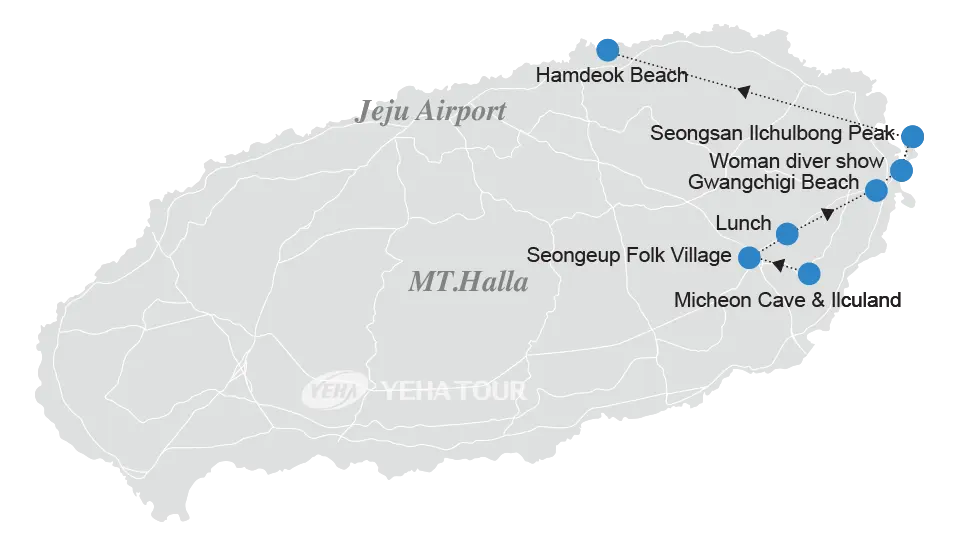

Mijeonggul Cave & Ilchul Land | Formed by flowing lava thousands of years ago, the interior of Mijeonggul Cave is cool and mysterious, giving you the feeling of walking through the geological heart of Jeju. Ilchul Land is a peaceful walking space where a sculpture park and theme gardens harmonize.


Seongeup Folk Village | Stroll through this living folk village composed of traditional thatched-roof houses and volcanic stone walls. Residents still live here today, preserving Jeju's ancient customs and way of life. You can experience this living cultural heritage by listening to the Jeju dialect firsthand and examining old farming tools. This is a special place where Jeju's past still breathes.


Gwangchigi Beach | Gwangchigi Beach is the first stop on Olle Trail, and from here, you can see Seongsan Ilchulbong Peak at a glance. Recently, Gwangchigi Beach has been gaining attention as one of Jeju Island's top 10 scenic spots.


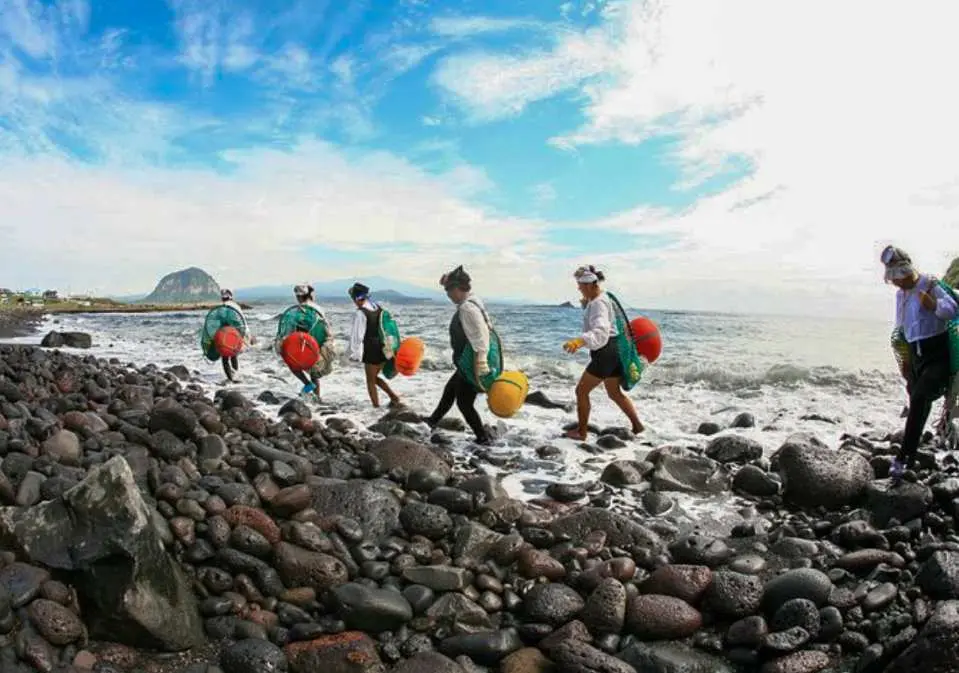
Haenyeo Show | The Haenyeo Show is a special experience where you can encounter the Jeju Haenyeo culture, registered as a UNESCO Intangible Cultural Heritage, firsthand. Witness the intense live performance of Jeju's legendary Haenyeo diving into the sea without oxygen tanks. Their deep affection for the ocean and indomitable spirit leave the audience deeply moved and humbled.

Seongsan Ilchulbong | Climb this volcanic crater, designated as a UNESCO World Natural Heritage Site, and take in a panoramic view of Jeju's eastern coastline. As a symbol of Jeju and one of its most famous attractions, this is a must-visit photo spot. The emerald sea and the magnificent crater combine to present a breathtaking view that will leave you in awe.


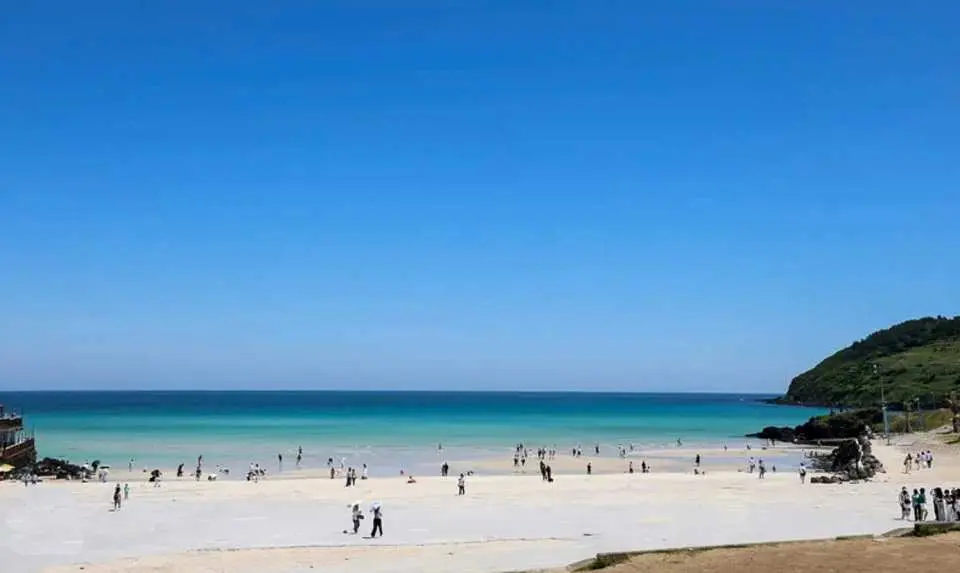
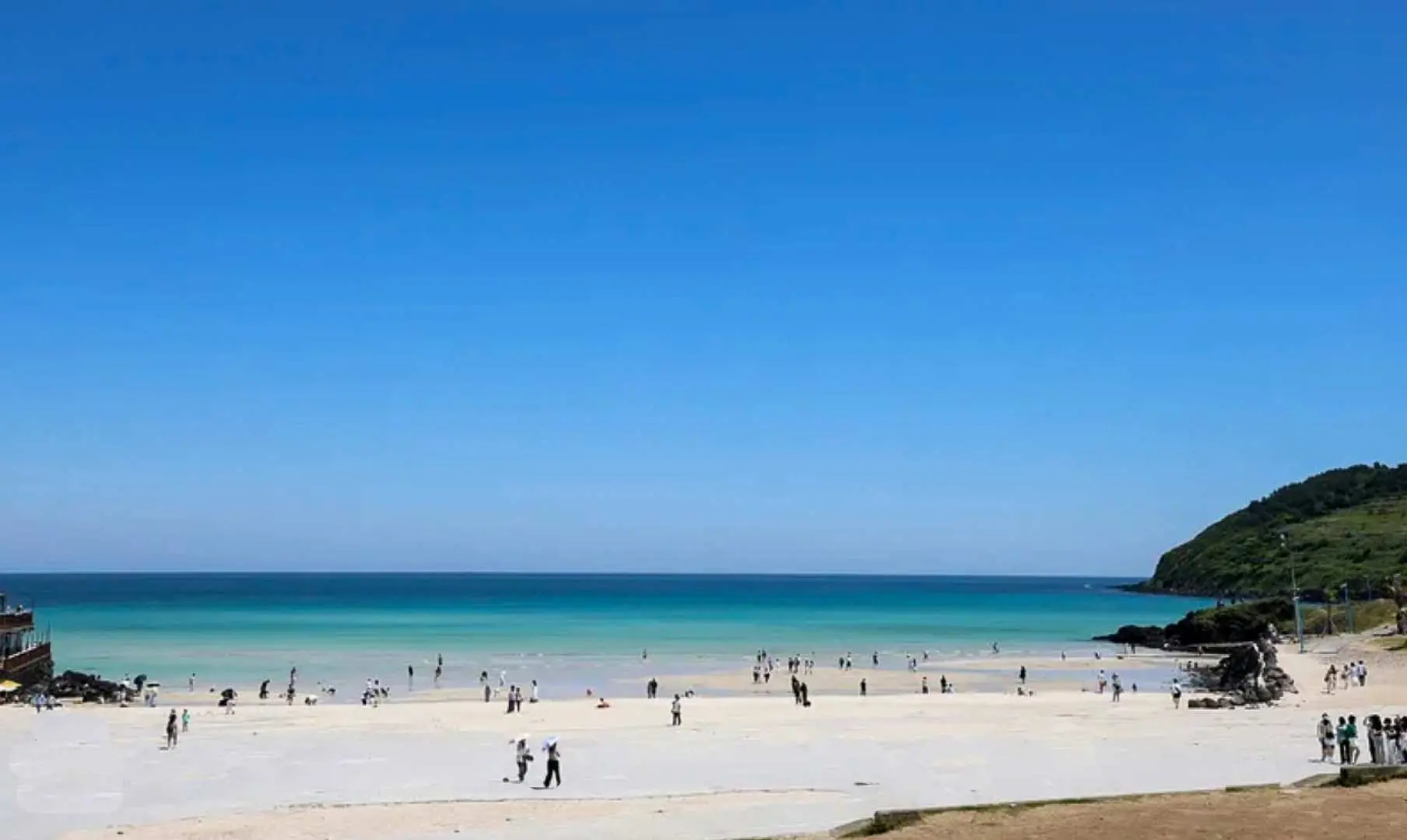
Hamdeok Beach | You can enjoy a relaxing break with fine white sand, clear waters, and atmospheric cafes. If you wish, you can freely stay here until evening according to your own schedule.
Dongmun Traditional Market | As the oldest traditional market, it is particularly famous as a night market. It is filled with an abundance of sights and foods, including various street foods, tangerines, seafood, and souvenirs.


Important Info
Reminders
Dongmun Market is an optional stop where you can get off if you wish to visit, without a separate tour time.
The schedule is subject to change due to weather and seasonal factors on the day of the tour.
Comfortable shoes and clothing are required for the trekking course.
FAQ
The hiking trail at Seongsan Ilchulbong Peak is relatively gentle, primarily consisting of stairs, making it not difficult and suitable for visitors of all ages. Generally, it takes about 20-30 minutes to walk from the entrance to the summit. Rest areas and viewing points are available along the way, allowing you to adjust your pace based on your physical condition. The summit offers panoramic views of the magnificent coastline and Jeju Island.
Climbing to the viewing platform at the summit of Seongsan Ilchulbong Peak takes approximately 20 to 30 minutes one way, with the round trip taking about 1 hour. The trail is well-maintained, mainly consisting of wooden decks and stone steps with moderate slopes, allowing visitors to climb at their own pace. It is recommended to allow ample time to enjoy the crater and the surrounding sea views from the summit.
In addition to the famous sunrise view, Seongsan Ilchulbong Peak is also recommended for daytime visits to appreciate its unique crater landscape. From the summit, you can enjoy 360-degree views of the spectacular sea and the eastern scenery of Jeju Island. At the foot of the peak, there is a 'Haenyeo House' where you might have the chance to witness the haenyeo (female divers) at work, experiencing Jeju Island's unique marine culture.
Besides the sunrise in the early morning, Seongsan Ilchulbong Peak is suitable for visits at any time during the day. On a clear day, visibility is high, allowing you to clearly admire the raw topography of the crater and the surrounding azure sea. In the evening, the sunset paints the sea surface in golden hues, offering another charming view. It is advisable to avoid midday when the sun is more intense.
Seongup Folk Village is Jeju Island's best-preserved traditional village, offering visitors an in-depth cultural experience. The village retains many traditional Jeju houses, such as those built with volcanic stones and thatched roofs, as well as unique black pig pens. You can wander through the village to learn about the lifestyle of Jeju residents in the past, and you may have the opportunity to taste local traditional snacks or admire traditional crafts being made.
In Jeju Island, you can watch haenyeo performances at several locations. The 'Haenyeo House' near Seongsan Ilchulbong Peak is a popular choice. The performances typically showcase the traditional skills of haenyeo diving barehanded to catch seafood without any oxygen equipment, demonstrating their resilience and wisdom. After the performance, you can sometimes taste the seafood they freshly catch, which is a highlight of experiencing Jeju's marine culture.
Gwangchigi Beach is known for its unique volcanic rock coastline and emerald waters. The black basalt rocks contrast sharply with the jade-colored sea, creating a magnificent landscape, especially ideal for photography enthusiasts. During low tide, the beach reveals a vast intertidal zone where visitors can stroll, observe marine life, and admire the views of Seongsan Ilchulbong Peak from different angles.
When you join an Eastern Jeju Island day bus tour, the itinerary usually includes a hearty lunch. Depending on the tour plan, you might be offered local specialties, such as a Korean set meal featuring fresh seafood or Jeju black pork. This allows visitors to taste the unique flavors of Jeju Island and recharge for the rest of the journey.
Get Help


