

Coutryside Tour from Bohol: Chocolate Hills, Tarsier Sanctuary, and Loboc River | Philippines
- Visit the best spots in Bohol with this day tour! Admire the iconic brown and soft-looking Chocolate Hills. Meet face to face with the unique Philippine Tarsiers in their natural surroundings. Dine aboard the Loboc River Cruise as you admire the green tropical colors around you!
Package Options


Sightseeing Tours
| Tour Type | Private tour |
| Minimum participant requirement | 2 travelers, 3 travelers, 4 travelers, 5 travelers, 6 travelers, 7 travelers, 8 travelers, 9 travelers, 10 travelers |
| Meal arrangement | Lunch included |
| Sightseeing type | Natural sights, Eco-tourism, Islands tour |
| Transport | Charter car, Sightseeing cruise |
Product Info
Important Info
Reminders
Refunds will not be provided if viewing conditions of the Chocolate Hills are not optimal due to weather conditions
Tour itinerary is subject to weather and transportation conditions. In the event of heavy rain or strong winds, the Loboc River cruise will be canceled and lunch will be held at an alternative restaurant. Refunds will not be granted
Surcharges of 20% apply for tours departing on January 1st, December 25th, and Good Friday. Fees are to be paid on-site, directly to your guide
FAQ
1. What makes the Chocolate Hills a must-see attraction in Bohol?
The Chocolate Hills are renowned for their unique geological formation, comprising over 1,268 uniform conical hills spread across the landscape. During the dry season, the grass covering the hills turns a distinct chocolate brown, creating a stunning and surreal panorama. It's considered a geological wonder and offers breathtaking views from dedicated viewing decks, making it a primary highlight for any visit to Bohol.
2. How much time is typically recommended for visiting the Chocolate Hills?
For the Chocolate Hills, visitors typically spend about 30 to 60 minutes. This duration allows ample time to climb to the main viewing deck, capture photographs, and fully appreciate the panoramic landscape. While the time spent at the site itself is relatively brief, the journey to reach the hills in Carmen, Bohol, should also be factored into your overall tour schedule.
3. What local legends or origin stories explain the formation of the Chocolate Hills?
Local legends offer enchanting explanations for the Chocolate Hills' formation. One popular myth recounts two giants who engaged in an endless rock-throwing battle. When they finally made peace, they left behind the thousands of mounds as remnants of their conflict. Another tale involves a giant named Arogo who wept tears of sorrow over his lost love, with each tear solidifying into a hill.
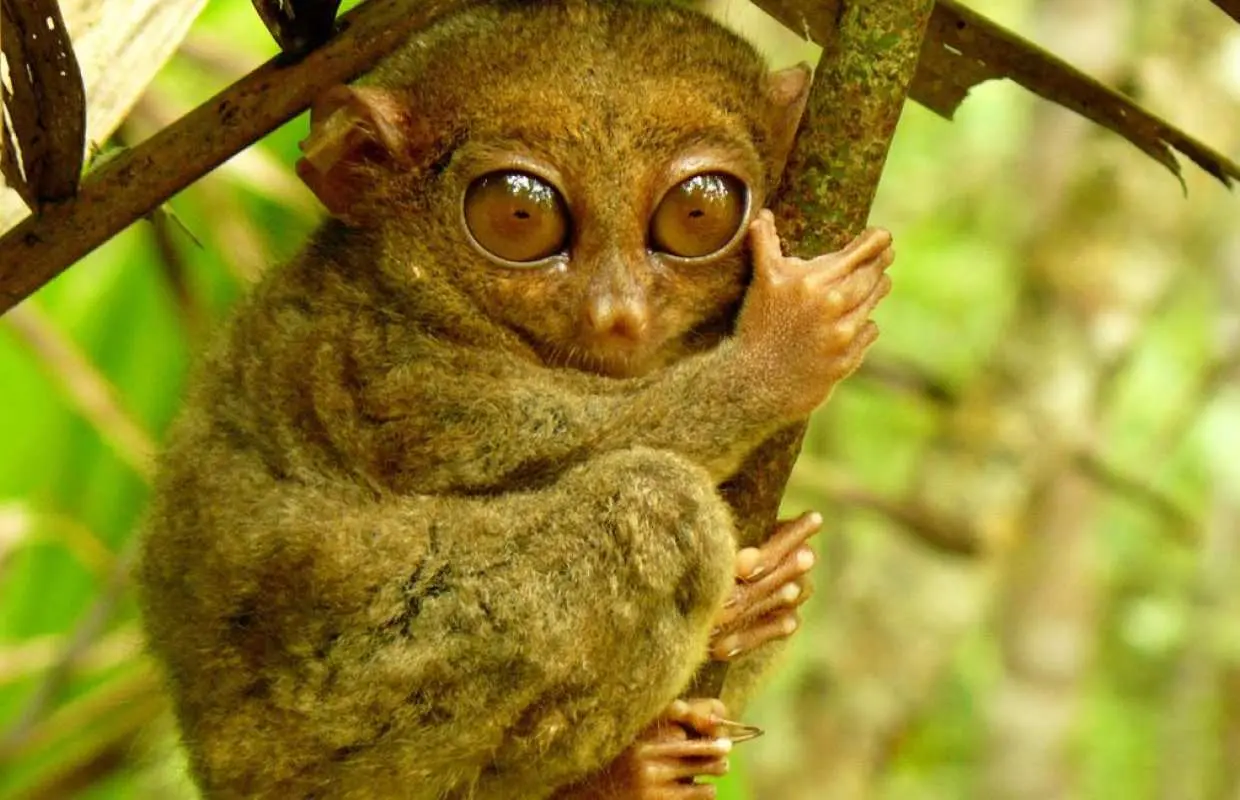
4. What unique behaviors or characteristics of tarsiers can visitors observe at the Tarsier Sanctuary?
At the Tarsier Sanctuary, visitors can observe Philippine tarsiers, among the world's smallest primates, in their natural forested habitat. They are notable for their incredibly large, fixed eyes, which necessitate rotating their heads almost 360 degrees to see. Tarsiers are primarily nocturnal, so during daylight hours, they are typically seen resting or moving slowly, showcasing their shy and reclusive nature.
5. What kind of dining experience can visitors expect on the Loboc River Cruise?
The Loboc River Cruise offers a delightful floating restaurant experience. Guests typically enjoy a buffet-style meal featuring a variety of local Filipino dishes. The meal is often accompanied by live music or cultural performances from local communities situated along the riverbanks. As you dine, the boat gently cruises down the picturesque Loboc River, providing serene views of Bohol's lush tropical surroundings.
6. What are the typical transportation arrangements between Chocolate Hills and the Tarsier Sanctuary during a Bohol tour?
During a Bohol countryside tour, transportation between major attractions like the Chocolate Hills and the Tarsier Sanctuary is typically provided by a private air-conditioned van or bus, depending on the tour package. These tours commonly include a dedicated vehicle and driver, ensuring comfortable and convenient travel between the various stops. This arrangement eliminates the need for visitors to organize separate transport.
7. When is the best time of year to visit the Chocolate Hills for optimal viewing conditions?
The best time to visit the Chocolate Hills for optimal viewing conditions, particularly to witness their iconic brown color, is during Bohol's dry season, which typically spans from December to May. Minimal rainfall during these months allows the grass covering the hills to dry out and turn its distinct chocolate hue. The wet season (June to November) also offers beautiful vibrant green hills, presenting a different yet equally stunning landscape.
8. Are there specific rules or etiquette visitors should follow when observing tarsiers at the sanctuary?
Yes, when observing tarsiers at the sanctuary, it's essential to follow strict rules to protect these sensitive creatures. Visitors must maintain absolute silence and avoid any loud noises, as tarsiers are highly susceptible to stress. Flash photography is strictly prohibited as it can harm their large, delicate eyes. Always keep a respectful distance and refrain from touching the tarsiers to ensure their well-being and natural behavior are undisturbed.


