


3 minutes walk from Hon-Kawagoe Station | Kimono Rental Wargo Kawagoe Store Kimono/Yukata Rental Easy Hair Arrangement + Kanzashi Included
- Rent a kimono from "Kimono Rental Wargo," which has seven stores across Japan!
- Conveniently located just a 3-minute walk from Hon-Kawagoe Station and a 10-minute walk from Kawagoe Station.
- We offer stylish kimonos with designs that will make you look cute and mature.
- Includes simple hair styling and a hairpin!
- This includes professional dressing and a set of accessories. Please come to the store empty-handed.
Cultural Experiences
| Transportation method | Get there on your own |
| Location | Indoor |
| Experience type | Costume rental |
| Outfit type | Kimono, Yukata |
| Additional service & facility | Makeup & hairstyle |
Product Info
It is a 3-minute walk from Hon-Kawagoe Station. It is also a 10-minute walk from Kawagoe Station. It is located near Maruhiro Department Store in the middle of Clare Mall. Once you have changed into your kimono or yukata, you can leave your heavy luggage at the store and enjoy empty-handed sightseeing in your kimono, such as strolling around Koedo Kawagoe and visiting Hikawa Shrine.
Dressing by a professional kimono dresser and rental of all accessories are included.
We offer stylish kimonos with a focus on design.
- Hair styling is a simple "updo". Other hair arrangements are optional and require a separate purchase on the day.
- Kimono return time: by 16:30 on the same day
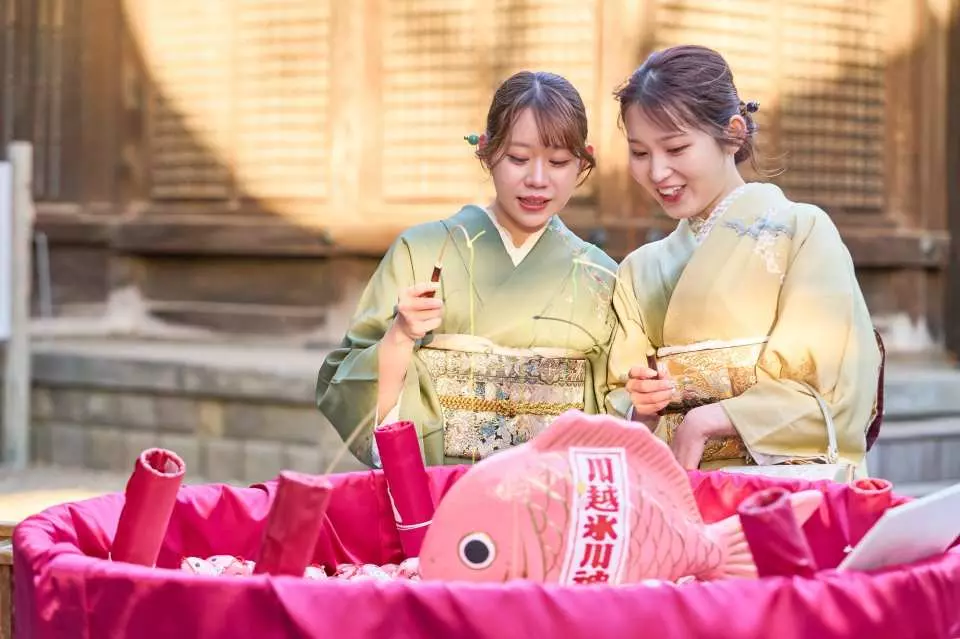
Ladies kimono *Image

Men's kimono *Image

Plan for couples *Image
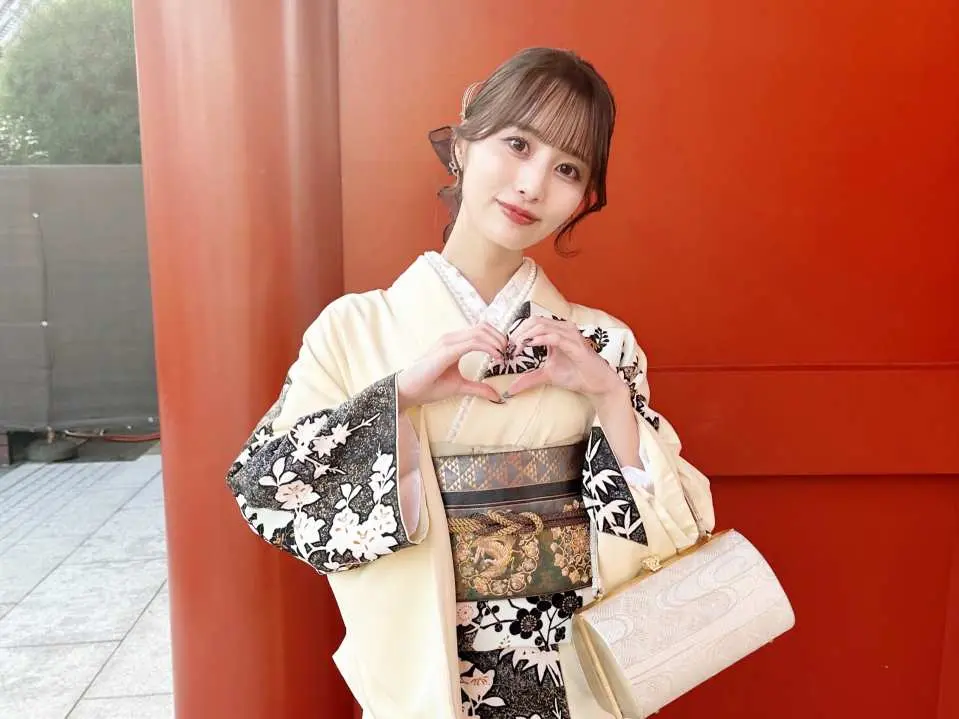
Premium plan *Image
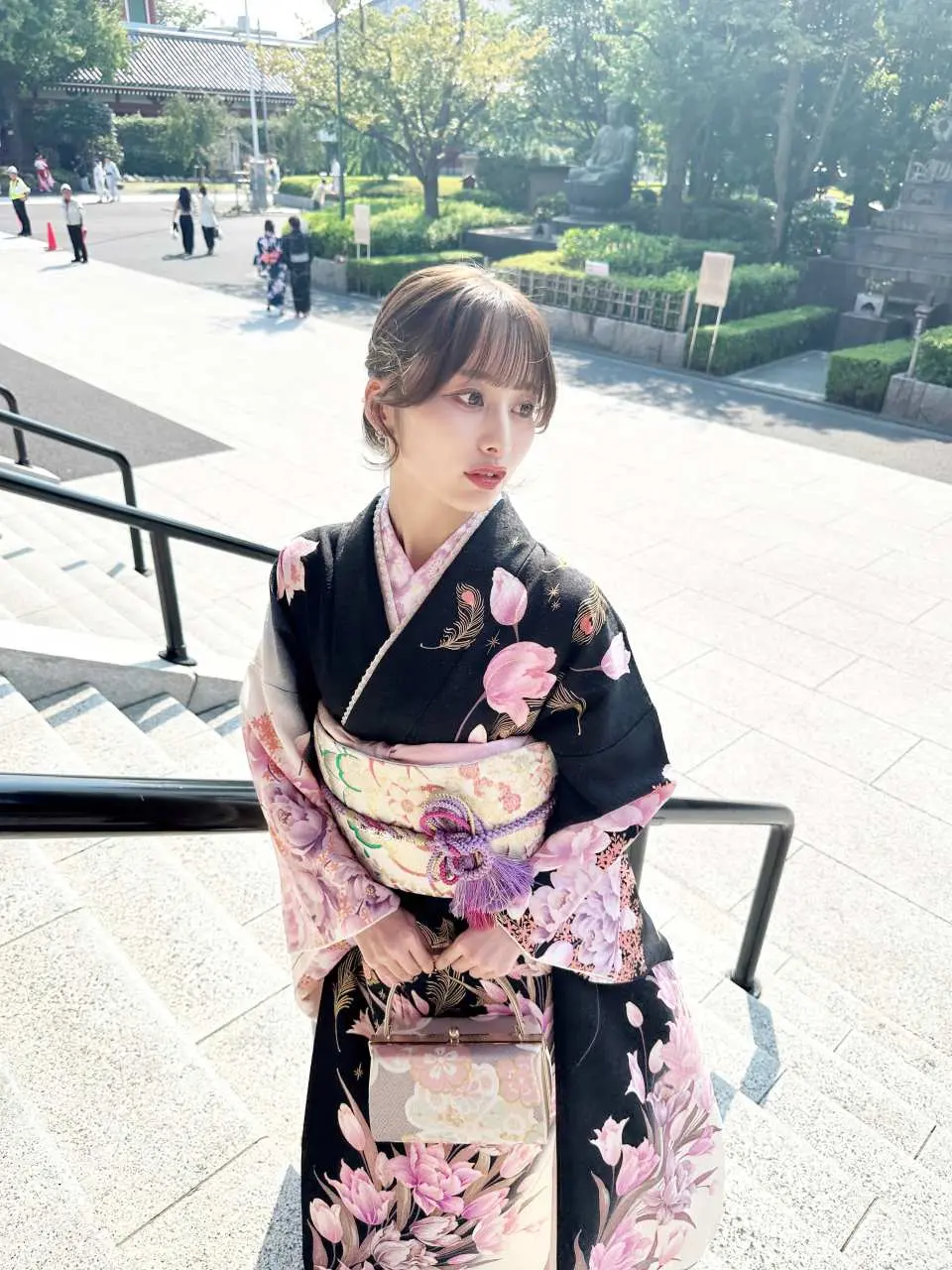
Premium Plan *Image

In-store image
Important Info
Reminders
The final rental return time is 16:30. If you return the item after the return time, a late fee of 1,100 yen per person will be charged.
Those who have consumed alcohol on the day of the event, those who are pregnant, those who may be pregnant, or those who are judged by the organizer to be unsafe will not be able to participate.
Rental kimonos and optional items may increase the overall cost. Additional charges can be paid in-store with cash or credit card.
Regarding kimonos for children, we may not be able to prepare a kimono that is the right size for your child depending on their height. Please note.
If you apply as a group, we may not be able to prepare all of your companions at the same time. We will respond to you at different times. Please note.
Hair styling is a simple "updo". Other hair arrangements are optional and require a separate purchase on the day.
Next-day return option: This is an option that can be purchased additionally for ¥1,100 per person. Please pay at the store on the day. *Please return the kimono to the store by 3:00 p.m. the day after rental.
How to Use
-About the Security Service-
- *Peace of mind guarantee: In the unlikely event that the kimono you rent from our shop gets dirty, we recommend that you purchase our "Peace of mind guarantee service" so that you can use the kimono with peace of mind. For repairable stains of less than 10 cm² (collar stains from foundation, stains on the cuffs, sweat stains, food spills, etc.), we will not charge you for cleaning.
- If there are stains that are difficult to repair, or stains such as cigarette burns, oily stains, or blood stains, the warranty does not apply and an additional fee will be charged.
- Example: Blood, oil, food stains that won't come off, shrinkage of kimono, mud splashes, color transfer from hair dye, etc.: From 5,500 yen (tax included) / Vomit stains: From 16,500 yen (tax included) / Other than the above: Actual cleaning fee
-About your luggage-
- When you come to the store, we will give you a large bag (43cm long x 37cm wide x 22cm deep) that meets our company regulations, and if your luggage fits inside, we will store it for free. If it does not fit, an additional fee of 550 yen will be charged.
- Suitcase storage is also available for those who wish to store their suitcases. An additional fee of 550 yen will be charged for each suitcase.
How to Use Your Voucher
- Please click on the redemption link in the order confirmation email, enter the verification code (skip this step if you have already logged in), and follow the on-site staff's instructions to complete the Swipe to Redeem process
Validity Period
- The voucher must be used on the selected date and within operating hours; Invalid after expiration
- Please arrive 5 minutes before your reservation time.
Experience Location
Location Name: Kimono rental wargo Kawagoe store
Address: Yoneyama Building 1F, 1-9-4 Shintomicho, Kawagoe City, Saitama Prefecture- Kawagoe store: 10:00-17:00 (last reception time: 16:00)
- Last return time: 16:30
*If you miss the return time, a late fee of 1,100 yen per person will be charged.
FAQ
1. Can the JR Pass be used for transportation to Kawagoe?
The main modes of transport to Kawagoe are typically private railways, such as the Seibu Shinjuku Line by Seibu Railway or the Tobu Tojo Line by Tobu Railway. These private lines are generally not covered by the JR Pass. Therefore, if you have a JR Pass, you may need to purchase a separate private railway ticket to travel to Kawagoe. We recommend planning your itinerary and checking if purchasing a transportation pass that covers private railways would be more cost-effective.
2. Which train station is most convenient for reaching Wargo Kimono Rental Kawagoe?
Wargo Kimono Rental Kawagoe is conveniently located. You can take the train to 'Hon-Kawagoe Station', and it's about a 3-minute walk from the station to the shop. If you alight at 'Kawagoe Station', it will take approximately a 10-minute walk. Both stations are major stations for accessing Kawagoe, with 'Hon-Kawagoe Station' being the closest to the shop.
3. Can I use transportation IC cards like Suica for local buses in Kawagoe?
Yes, you can typically use Japan's nationwide transportation IC cards, such as Suica and PASMO, to pay for local route buses in Kawagoe, like the Koedo Loop Bus or Tobu Bus. This makes getting around within Kawagoe more convenient, eliminating the need for cash. Simply tap your card on the reader when boarding to complete your payment, saving you the hassle of purchasing tickets.
4. What is the approximate fare for a single ride on local buses in Kawagoe?
The fare for a single ride on local buses in Kawagoe varies depending on the distance and route. Generally, the adult single fare ranges from approximately 150 to 200 Japanese Yen. Some sightseeing loop buses may have a fixed fare or offer day passes, which can be a more economical way to visit various attractions in Kawagoe. For detailed fare information, it is recommended to check the official websites of the respective bus companies.
5. What services and accessories are included in the rental plans at Wargo Kimono Rental Kawagoe?
The standard plan at Wargo Kimono Rental Kawagoe includes professional kimono dressing services and a complete set of accessories, so you can come empty-handed. Additionally, the plan thoughtfully includes simple hairstyling and hair ornaments to complete your kimono look. You can choose from the stylish kimonos offered by the shop and easily experience traditional Japanese culture.
6. Do I need to wear a specific type of undergarment when renting a kimono?
When renting a kimono, it is recommended to wear comfortable, seamless, non-wired undergarments, such as a sports bra or seamless briefs. This helps to create a smoother silhouette for the kimono and avoid accentuating the bust line. The shop usually provides a basic undergarment or slip, so you only need to wear your own personal undergarments; there's no need to prepare anything extra.
7. How can I conveniently use the restroom while wearing a kimono?
When using the restroom while wearing a kimono, it's recommended to gather the kimono's skirt from around the knee area, lifting multiple layers of fabric. Secure these layers above the obi (sash) with your hand or a clip, ensuring the kimono skirt doesn't touch the floor. Then, proceed to remove and put on your lower garments. This process may take some time and patience, so simply proceed carefully and gracefully.
8. Are there any rules or taboos regarding the way the kimono collar is folded?
When wearing a kimono, there are specific rules for folding the collar. Generally, the left panel is folded over the right panel, creating a 'right overlap' (右衽 - yuu jin). This is the correct way to wear a traditional Japanese kimono and symbolizes the living. If the right panel is folded over the left, creating a 'left overlap' (左衽 - sa jin), this is typically only used for the burial attire of the deceased, so please be mindful and ensure you wear it correctly.


