


Tokyo Tea Ceremony Experience Welcome to the world of Japanese tea. Includes a demonstration of ground tea and dried Japanese sweets. Chinese/English guide available.
POINT2 Enjoy our carefully selected matcha!
POINT3 Comes with authentic Wasanbon dried sweets!
Package Options
Cultural Experiences
| Location | Indoor |
| Cuisine type | Wagashi (Japanese sweets) |
| Cultural experience type | Japanese tea ceremony |
Product Info
What You Can Expect
1 Day
- Start your experience
- Tea Description
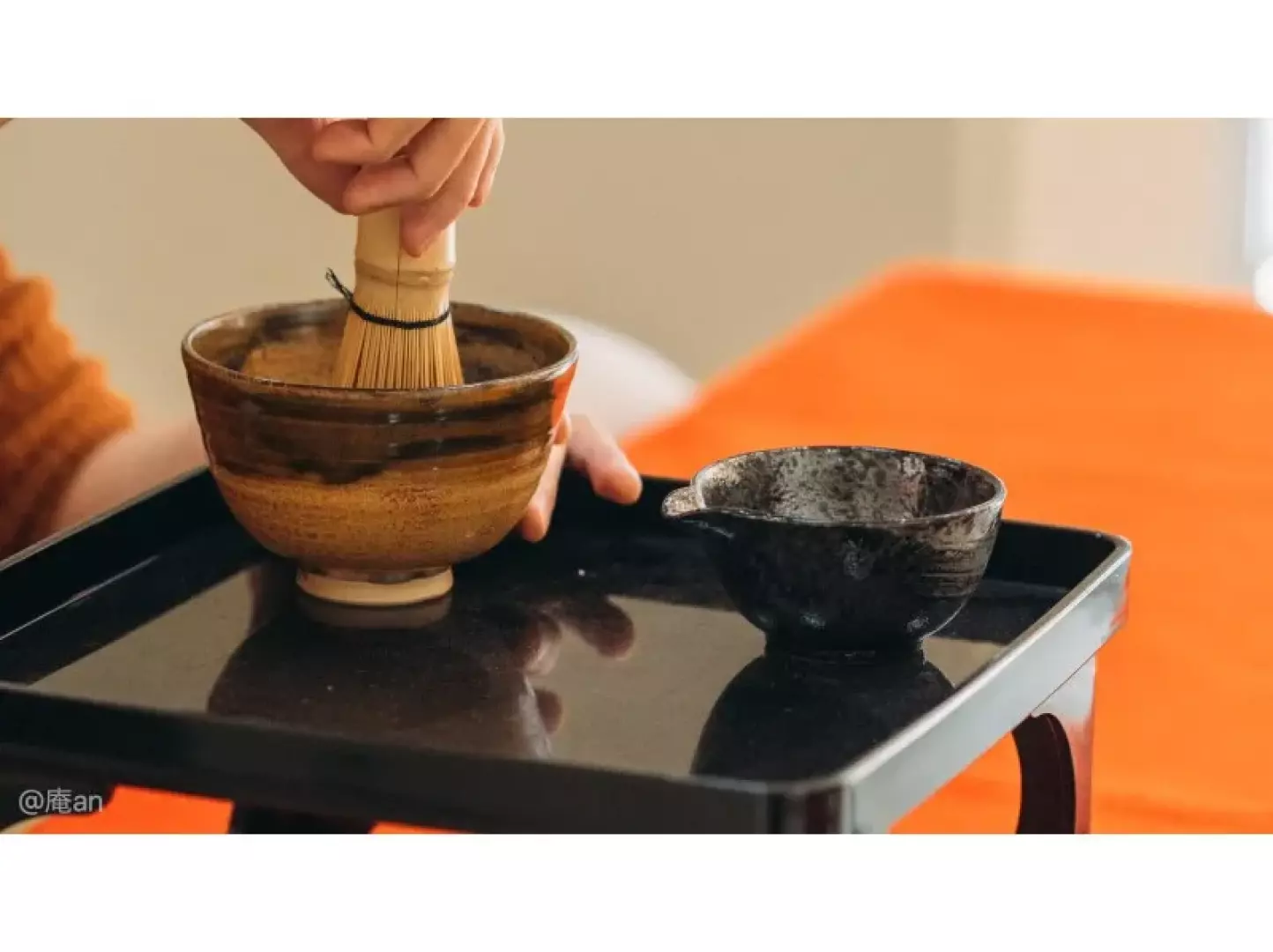
- Demonstration of minced tea
- Otemae experience
- photo shoot
- End of experience
- Eating and drinking time
- End, disband



Important Info
Includes/Excludes
Reminders
Wearing a mask is optional.
The venue is on the third floor, but there is an elevator available.
Due to the nature of the program, we will not be able to hold the event to accommodate delays.
Delays without advance notice will be treated as cancellations after 10 minutes from the start.
Please refrain from bringing large luggage.
We are not responsible for any troubles between customers.
Please contact us if you would like to rent it out.
Those who do not want to try it out will not be able to enter.
Children who sit on their guardians' laps will be free of charge (only for children under 2 years old).
If you drop any bean paste during the experience, you can purchase new bean paste for an additional 100 yen. (Applicable to those who are participating in the experience using bean paste)
In principle, the seminar will be held in Japanese. If you would like the seminar to be held in another language, please contact us separately.
If the course is held in another language, an additional fee will be charged.
If you change the date and time of your reservation after the cancellation fee has been incurred, we will charge you the specified fee.
For private bookings or large groups (10 or more people), cancellation policies are different, so please contact us.
We strictly prohibit the taking, repurposing, and monopolizing of images and videos for commercial purposes. If you wish to use them for commercial purposes, please apply for coverage and use in advance.
How to Redeem Your Voucher
How to Use Your Voucher
- Please present the e-voucher on-site
Meeting Point
Location Name: Japanese Culture Experience: Iori Tokyo
Address: 〒101-0044 2-2 Kajicho, Chiyoda-ku, Tokyo 2nd Toei Building 3rd floorCancellation Policy
- Cancellations 1 day(s) (inclusive) before the selected date are allowed. Unused orders can be canceled for free
- Cancellation is not allowed between 0–0 days from the selected date. Orders cannot be canceled or modified, and refunds will not be granted.
- Due to time zone differences, the confirmed cancellation date is based on the supplier’s local time. Please allow 2–5 business days to process your cancellation request, after which the cancellation fee will be charged according to the product’s cancellation policy. Once the cancellation is confirmed, you will receive your refund within 14 working days.
FAQ
This experience offers an accessible introduction to Japanese tea culture. Participants can expect to learn and practice the traditional art of temae, specifically in the comfortable Ryureishiki style (seated at a table). The experience includes a demonstration of preparing ground tea, enjoying carefully selected matcha, and savoring authentic Wasanbon dried sweets. It's designed to be fun and educational for anyone interested in Japanese culture.
The Japanese tea ceremony is rooted in core principles like harmony (wa), respect (kei), purity (sei), and tranquility (jaku). Key elements involve the mindful preparation and serving of matcha, the appreciation of the tea utensils, the aesthetic environment (such as a tea room), and the interaction between host and guest. It's a holistic experience focusing on presence and appreciation.
A typical Japanese tea ceremony involves several steps, starting with the guest's entry and purification. The host then cleanses the utensils and prepares the matcha with precise movements. Guests receive and drink their matcha, often accompanied by traditional sweets. The ceremony concludes with the host cleaning the utensils and guests departing. The entire process emphasizes ritual, mindfulness, and aesthetic appreciation.
The Ryureishiki ceremony is a style of Japanese tea ceremony where participants sit on chairs at a table, rather than directly on tatami mats. This makes it particularly easy and comfortable to experience, especially for those who are not accustomed to sitting on the floor for extended periods. It allows for effortless participation while still fully engaging in the traditional aspects of temae.
The Tokyo Tea Ceremony Experience features carefully selected matcha, chosen for its quality and flavor. Guests will have the opportunity to enjoy this authentic green tea, prepared freshly during the demonstration. The specific type or grade of matcha is chosen to provide a genuine and enjoyable introduction to traditional Japanese tea.
Yes, the Tokyo Tea Ceremony Experience includes authentic Wasanbon dried sweets. These traditional Japanese confections are specifically designed to complement the flavor of matcha, enhancing the overall sensory experience. They are an integral part of the tea ceremony, providing a balance of taste and adding to the cultural immersion.
Yes, the Tokyo Tea Ceremony Experience provides guides fluent in both Chinese and English. This ensures that international participants can fully understand the cultural explanations, historical context, and procedural details of the tea ceremony, making the experience accessible and informative regardless of their Japanese language proficiency.
No, prior knowledge of Japanese culture or the tea ceremony is not required. This experience is designed for anyone, including beginners, to take their first step into Japanese culture. It provides an accessible and educational introduction, with guides explaining each aspect, ensuring a fun and understandable experience for all participants.
Get Help


