


Big Island of Hawaii volcano hiking tour from Kona
Sightseeing Tours
| Sightseeing type | Natural sights, Nordic walking |
| Transport | Walking |
Product Info
Purchase Notice
Reminders
Please refer to your voucher for final information regarding meeting points, pick-up locations, and pick-up time
Meeting point description: Pickup schedule will depend on the location of your accommodation in Kona. The local tour operator will contact you prior to the tour to arrange your pickup time. Please indicate your pickup location and phone number at checkout.
Pickups start around 8 am. Your exact pickup time will depend on your location in Kona, the local tour operator will contact you prior to the tour to arrange your pickup time. Please indicate your pickup location and phone number at checkout
People of all ages can participate in this tour
This tour is not wheelchair accessible
Wear closed-toed shoes and bring a light jacket. Some sights are weather dependent
Cancellation Policy
- Once the order has been completed, it cannot be canceled, modified, or refunded
- Due to time zone differences, the confirmed cancellation date is based on the supplier’s local time. Please allow 2–5 business days to process your cancellation request, after which the cancellation fee will be charged according to the product’s cancellation policy. Once the cancellation is confirmed, you will receive your refund within 14 working days.
FAQ
The Big Island of Hawaii has five main volcanoes, with Kilauea and Mauna Loa considered active. Kilauea is one of the most active volcanoes in the world, having erupted for decades. While Mauna Loa is less active, it still poses a potential eruption risk. This hiking tour will take you to explore the magnificent landscapes of these world-class volcanoes.
In terms of volume, Mauna Loa is the largest and most massive volcano on Earth, rising over 9,000 meters from its base on the seafloor. Mauna Kea, when measured from its base on the ocean floor, is even taller than Mount Everest and is one of the tallest individual mountains on Earth. Both these volcanoes showcase the astonishing scale of Hawaii's volcanic formations.
The primary area of activity within Kilauea caldera is concentrated inside Halema'uma'u crater. Here, you can typically see an active lava lake or steam vents, demonstrating the volcano's vitality. This hiking tour offers an opportunity to view Kilauea caldera and the immense Halema'uma'u crater from above, providing deep insights into its geological features.
The volcanoes of the Big Island are classic 'hotspot volcanoes.' Their formation is linked to a fixed 'hotspot' beneath the Pacific Plate. Magma erupting from the hotspot pierces through the plate, creating a chain of volcanoes. As the Pacific Plate slowly moves, new volcanoes form beneath the Big Island, while older ones drift away from the hotspot, eventually becoming inactive and eroding. This unique geological process has shaped the Hawaiian Islands.
Volcano hiking tours on the Big Island are suitable year-round. However, the dry season (approximately May to October) generally offers more stable weather with less rainfall and better visibility. While the wet season (approximately November to April) may bring rain, it can also create more dramatic cloud formations. It's recommended to monitor local weather forecasts and pack appropriate clothing for changing conditions.
The Big Island is the youngest and geologically most active island in the archipelago. It hosts two currently active volcanoes, Kilauea and Mauna Loa, providing a landscape of continuous volcanic activity such as lava flows and crater eruptions. In contrast, volcanoes on other islands are mostly dormant or eroded, offering no such direct and spectacular volcanic experience. The hiking tour will delve into the Big Island's unique volcanic terrain.
A Big Island volcano hiking tour from Kona is typically a full-day excursion. The itinerary includes visits to multiple sites, such as the magnificent views of Mauna Kea and Mauna Loa, Isaac Hale Beach Park, and a trek through ancient tree fern forests. The exact duration depends on traffic conditions and the time spent at each location, so it's advisable to allocate a full day to fully experience the allure of the volcanoes.
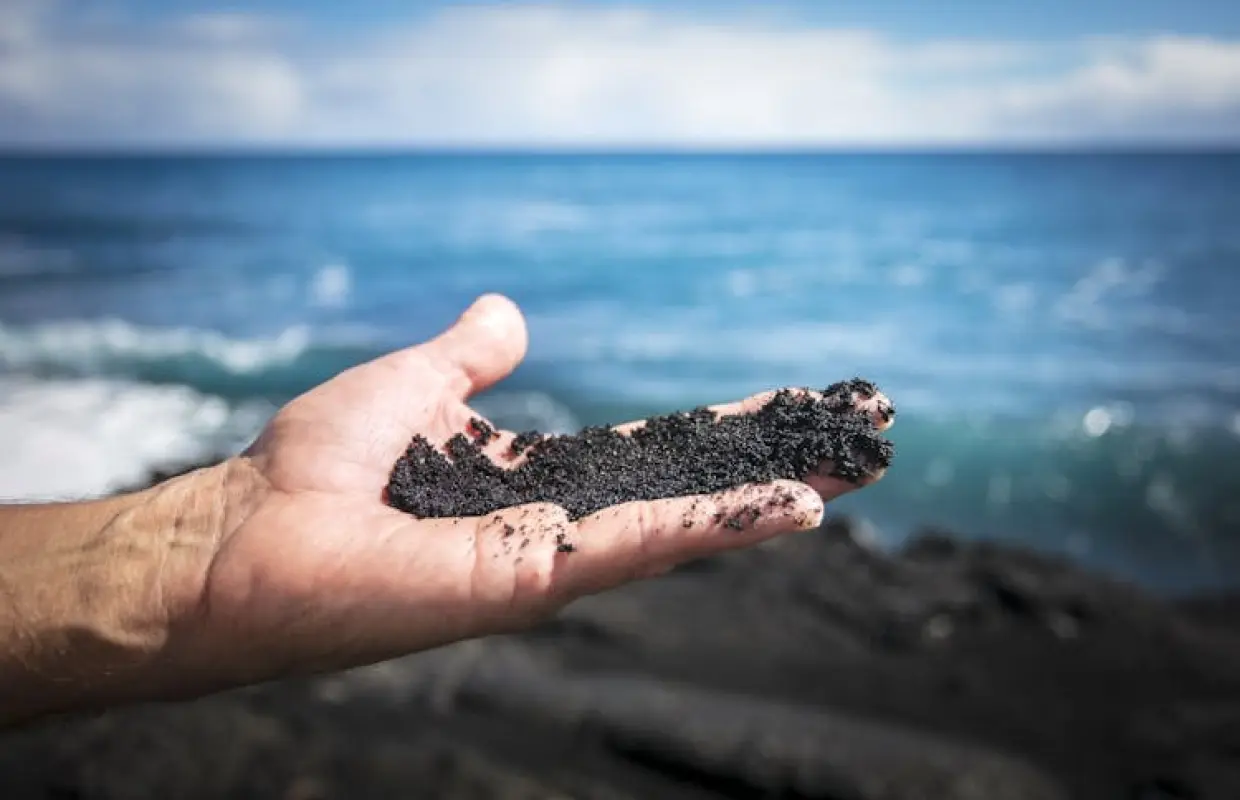
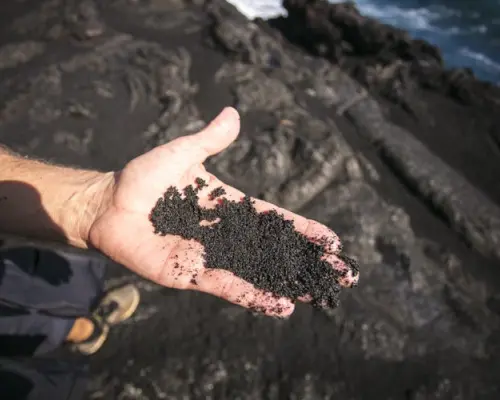
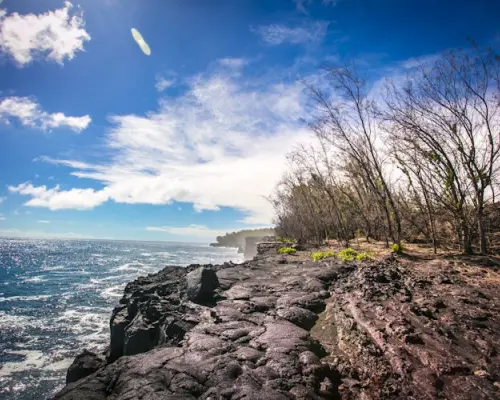
At Isaac Hale Beach Park, you can clearly see how the 2018 Kilauea eruption and subsequent lava flows reshaped the landscape. The former coastline is now covered by new black lava, creating unique lava formations and coastal erosion features. These traces profoundly demonstrate the immense power of volcanic activity and its impact on the natural environment, offering a distinct perspective for understanding volcanic processes.
Get Help


