

Mauna Kea astronomical tour from Hilo
Sightseeing Tours
| Tour Type | Shared tour |
| Tour types | Guided tour |
| Sightseeing type | Star gazing |
Product Info
Purchase Notice
Reminders
Please refer to your voucher for final information regarding meeting points, pick-up locations, and pick-up time
Meeting point description: Your pickup time will depend on the location of your accommodation in Hilo. The local tour operator will contact you prior to the tour to arrange your pickup time. Please indicate your pickup location and phone number at checkout.
Pickup schedule will depend on the location of your accommodation in Hilo. The local tour operator will contact you prior to the tour to arrange your pickup time. Please indicate your pickup location and phone number at checkout
People of all ages can participate in this tour
This tour is not fully wheelchair accessible. Participants have to do a few stairs to get in and out of the vehicle on their own. But it's possible to store a wheelchair in the back of the van if needed
This tour does not visit Maunakea’s summit or Visitor Center out of deference to Native Hawaiian concerns
Please wear closed-toed shoes and bring a light jacket. Some sights are weather dependent
Cancellation Policy
- Once the order has been completed, it cannot be canceled, modified, or refunded
- Due to time zone differences, the confirmed cancellation date is based on the supplier’s local time. Please allow 2–5 business days to process your cancellation request, after which the cancellation fee will be charged according to the product’s cancellation policy. Once the cancellation is confirmed, you will receive your refund within 14 working days.
FAQ
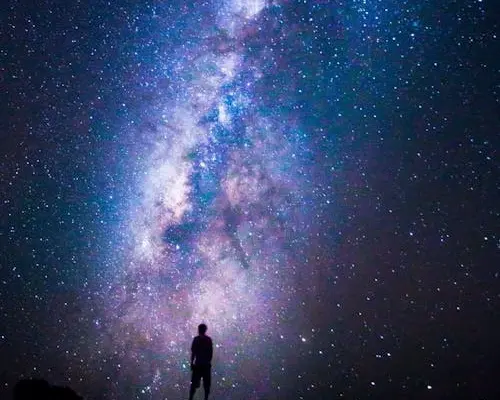
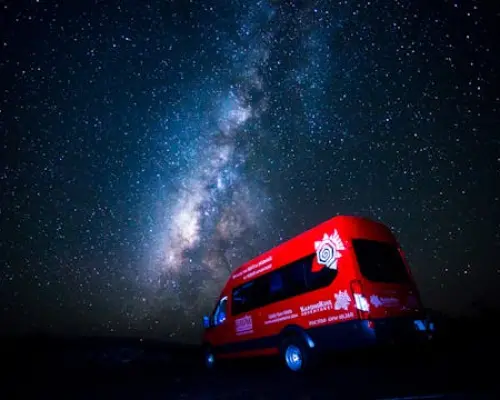
The Mauna Kea astronomical tour offers an unparalleled stargazing experience due to its location on Hawaii's Big Island, far from light pollution. Visitors observe one of the darkest and most pristine skies on Earth through powerful Dobsonian telescopes. The tour includes expert guidance, enhancing understanding of celestial objects and providing access to vantage points for truly spectacular night sky views, making it distinct from self-guided visits.
During the Mauna Kea astronomical tour, visitors can observe a wide array of celestial objects. This includes distant galaxies, vibrant nebulae, various planets within our solar system, and the intricate details of the Moon. Through high-powered telescopes, the tour provides a close-up view of these wonders, offering a profound appreciation for the cosmos. The experience varies nightly based on visibility and the season.
A guided Mauna Kea astronomical tour provides expert astronomers who offer insights into the night sky and operate specialized telescopes, ensuring optimal viewing. Tours typically handle high-altitude acclimatization, transportation, and safety. Independent visits require personal vehicles suitable for rough terrain, adherence to strict summit rules, and self-provision for warmth and altitude sickness, often limiting access to certain areas and expert interpretation.
To access Mauna Kea's summit, a four-wheel-drive (4WD) vehicle is mandatory due to the steep, unpaved gravel road above the visitor information station. For reaching just the Mauna Kea Visitor Information Station (VIS) at 9,200 feet, a standard two-wheel-drive vehicle is generally sufficient, though the road can be winding. However, rental car agreements often prohibit driving 4WD vehicles on the summit road without specific permission.
You can conveniently book the Mauna Kea astronomical tour from Hilo through online travel platforms. For a hassle-free experience with comprehensive service and reliable tour operators, consider using KKday. Booking through KKday allows you to easily compare tour options, secure your spot in advance, and receive detailed information about the itinerary, pickup locations, and what to prepare, ensuring a smooth and enjoyable journey.
Safety on Mauna Kea is paramount due to high altitude and extreme conditions. It's crucial to acclimatize at the visitor center for at least 30 minutes. Drink plenty of water and avoid alcohol and caffeine. Dress in multiple warm layers, as temperatures drop significantly. Individuals with respiratory, heart conditions, or who are pregnant should consult a doctor before ascending. Driving to the summit requires a 4WD vehicle and careful navigation.
The Mauna Kea astronomical tour from Hilo uniquely offers both nighttime stargazing and safe daytime solar viewing. During the day, participants can observe the sun through specialized telescopes, witnessing vibrant solar flares and prominences in true color. This daytime component provides a rare chance to explore our closest star, complementing the deep-space observations made after sunset.
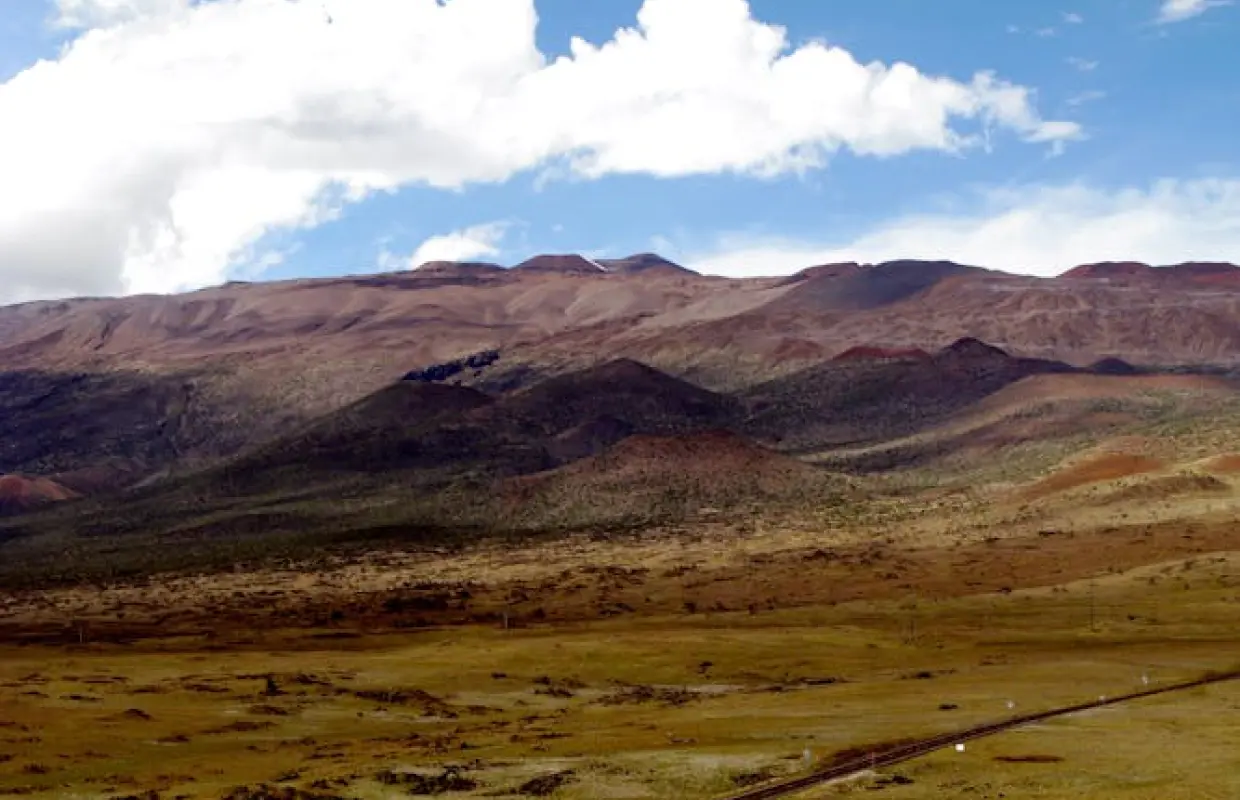
Mauna Kea's high altitude, at nearly 14,000 feet, positions stargazers above approximately 40% of Earth's atmosphere. This significantly reduces atmospheric turbulence, light pollution, and water vapor, which are major impediments to clear viewing. The thinner, drier air provides superior atmospheric transparency, allowing for exceptionally crisp and detailed observations of celestial bodies, making it one of the world's premier astronomical sites.
Get Help


