



Making Korean Traditional Baram-tteok | Seoul
Experience the art of making baram-tteok—a traditional Korean rice cake. Learn how to create this sweet delicacy beloved by Koreans and foreigners alike. Make colorful and beautiful rice cakes to taste or give as gifts.
- Learn about Korean food culture and traditional food
- Taste delicious and beautiful rice cakes
- Take home your delicious creation and show your friends how to make them
- It is located 1 minute away from the subway station, so accessibility is good.
Package Options
Cultural Experiences
| Transportation method | Get there on your own |
| Location | Indoor |
| Experience type | DIY Workshop |
| Cuisine type | Korean cuisine |
Product Info
The content of this product is provided by machine translation and may not reflect the actual information, please take this into consideration before booking.
—Itinerary Introduction—
- Select materials and learn how to use the tools (20 minutes)
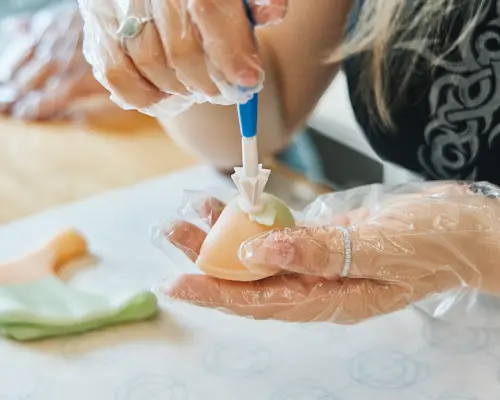
- Knead the ingredients and use the tools to mold the shape (40 minutes)
- Use the leftover materials to shape your Baramtteok (20 minutes)
- Take pictures of your beautiful DIY creation (10 minutes)
Experience time: 2:00 pm Monday- Sunday

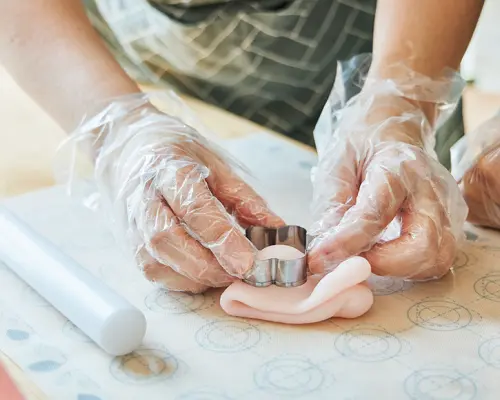
Start by kneading the baram-tteok until it's ready to shape


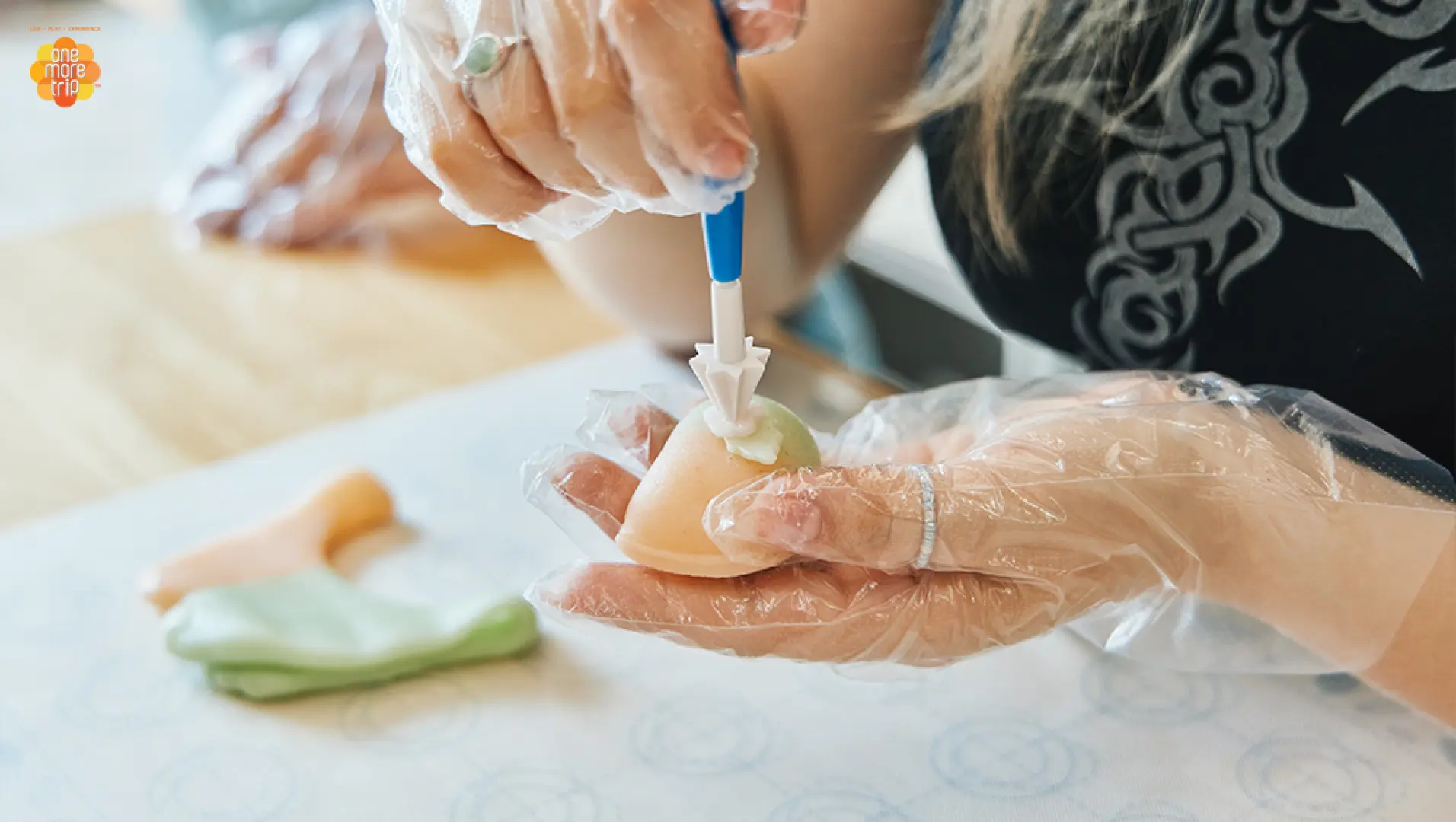


Don't forget to snap some memories and post them on social media


Our kind and experienced instructors will ensure this is a fun activity for people of all ages


Important Info
Includes/Excludes
Reminders
A minimum of 2 traveler(s) are required for the tour to depart. If the number of participants does not reach the minimum requirement, the tour will be canceled. An email regarding tour cancellation will be sent 1 day(s) before the departure date
Please arrive at the designated location 10 minute(s) before the scheduled departure time, as the tour will depart on time
How to Redeem Your Voucher
How to Use Your Voucher
- Please present the e-voucher on-site
Experience Location
Location Name: Sunny S Dining
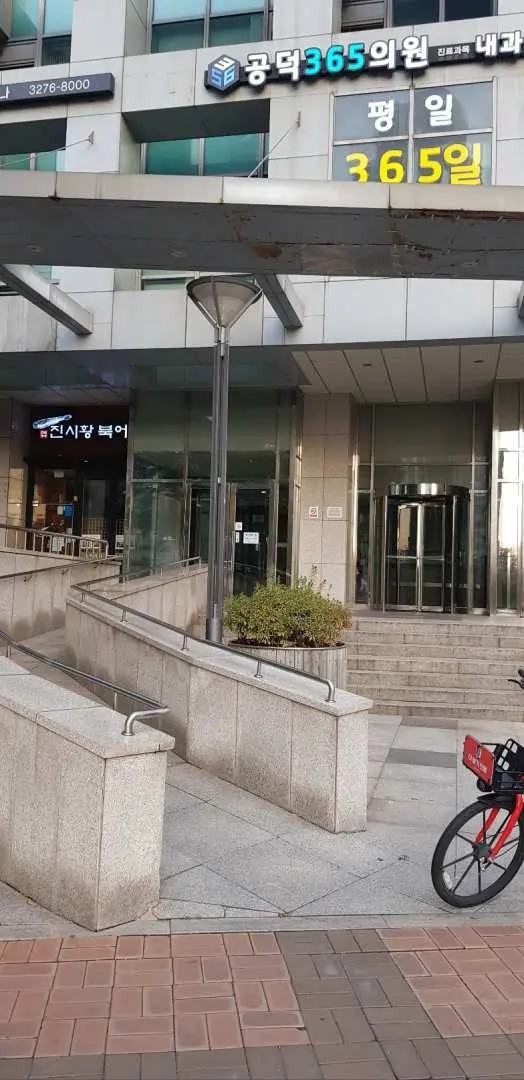
Address: Room 1801, 18th floor, Metrodioville, 199 Baekbeom-ro, Mapo-gu, Seoul
Cancellation Policy
- Cancellations 4 day(s) (inclusive) before the selected date are allowed. Unused orders can be canceled for free
- For cancellations made 1 to 3 days prior to selected date, a cancellation fee of 50% will apply
- Cancellation is not allowed between 0–0 days from the selected date. Orders cannot be canceled or modified, and refunds will not be granted.
- Due to time zone differences, the confirmed cancellation date is based on the supplier’s local time. Please allow 2–5 business days to process your cancellation request, after which the cancellation fee will be charged according to the product’s cancellation policy. Once the cancellation is confirmed, you will receive your refund within 14 working days.
FAQ
The traditional process for making Baram-tteok involves several key stages. Non-glutinous rice flour is first kneaded with hot water to create a soft, pliable dough. This dough is then rolled thinly and filled with a sweet paste, commonly made from red beans or sesame. The shaped rice cakes are then gently steamed, which is crucial for achieving their distinctively chewy yet delicate texture.
Baram-tteok is a type of Korean steamed rice cake, named 'wind rice cake' due to its soft, somewhat airy texture. It stands out for its often translucent and vibrant colors, achieved through natural colorings, and its delicious sweet filling, typically red bean or sesame paste. Its elegant, often half-moon or crescent shape also distinguishes it from other Korean rice cakes.
Preparing Baram-tteok from scratch involves creating a smooth rice flour dough by kneading it with hot water. Next, the dough is rolled out thinly, and small amounts of the sweet filling are carefully placed onto it. The dough is then folded over the filling and pressed into distinctive half-moon or crescent shapes, often using traditional molds. Finally, these shaped cakes are steamed until cooked and then brushed with a thin layer of sesame oil to enhance flavor and prevent sticking.
The distinctive colors in Baram-tteok are achieved by naturally infusing the rice dough with various ingredients. For example, mugwort powder creates a green hue, pumpkin powder yields yellow, and beet juice produces pink or red. The classic shapes, such as the half-moon or crescent, are formed either by hand or with special wooden molds after the sweet filling has been enclosed within the dough.
For Baram-tteok, if using commercially prepared non-glutinous rice flour, pre-soaking is typically not required as it's already finely milled. However, if you are preparing your own rice flour from whole rice grains, it is essential to soak the grains for several hours or overnight before grinding. This ensures proper hydration, allowing the grains to soften sufficiently for a smooth, consistent flour texture crucial for the dough.
The essential ingredients for achieving an authentic Baram-tteok taste primarily include fine non-glutinous rice flour, hot water for dough preparation, and a flavorful sweet filling. Traditional fillings often feature sweetened red bean paste or black sesame seed paste, which provide a rich contrast to the subtle sweetness of the rice cake. A light brush of sesame oil on the finished cakes also contributes to their distinctive aroma and taste.
Achieving an optimal chewy texture for Baram-tteok relies on several techniques. Using hot water to knead the rice flour helps create a more elastic and pliable dough. Thorough and consistent kneading is crucial to develop the correct dough consistency. Additionally, precise steaming time is vital; under-steaming can leave the cake raw, while over-steaming can make it too soft or hard. Brushing with sesame oil after steaming also contributes to its pleasant chewiness.
The Baram-tteok making experience location in Seoul is highly accessible via public transportation, making it convenient for visitors. The venue is ideally situated just one minute away from a subway station. This excellent connectivity ensures that participants can easily reach the experience from various parts of Seoul using the efficient subway system, minimizing travel time and effort.
Get Help


