


Seoul City One Day Tour: Hanok Village, Scenic Routes
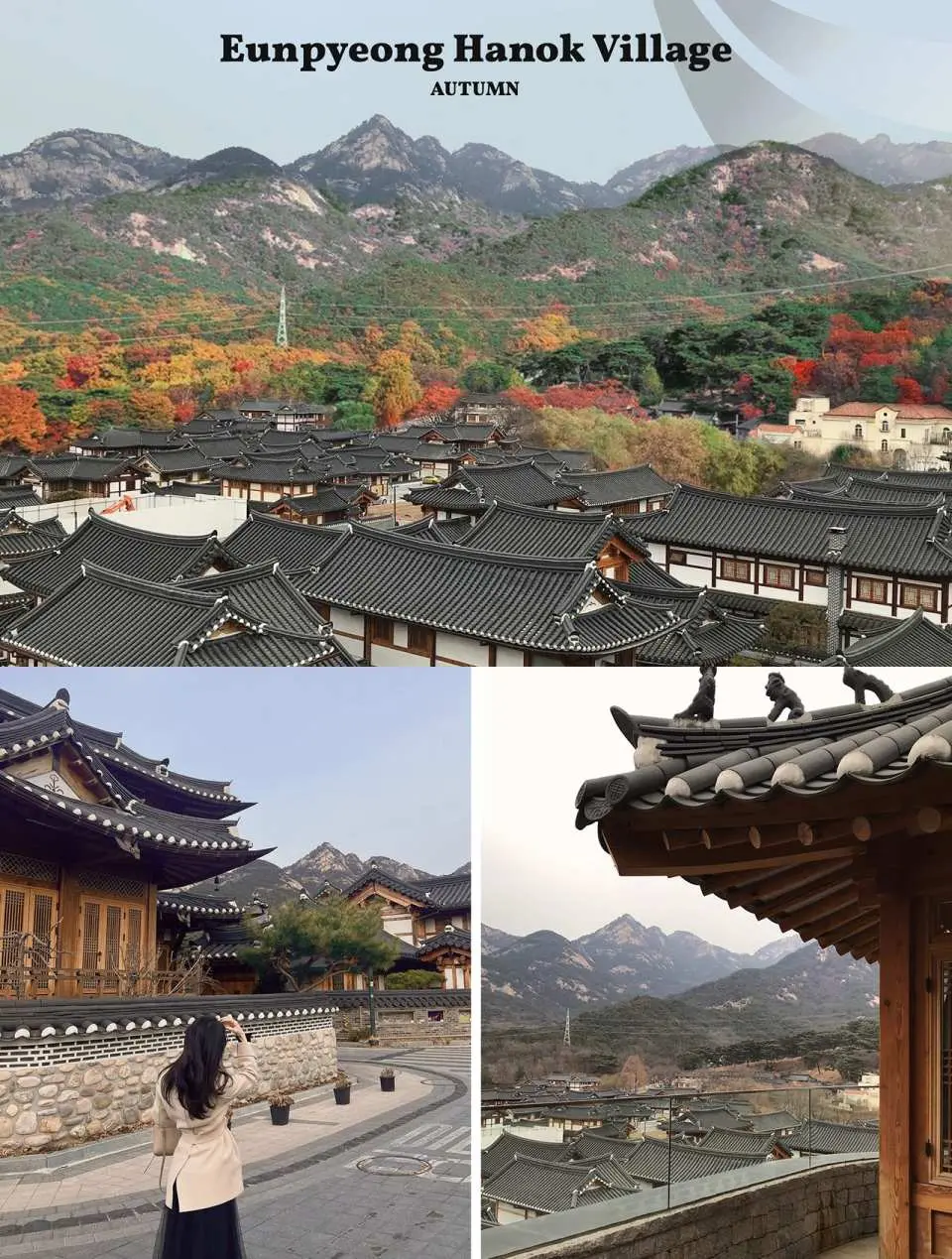
- Step into the heart of Korean history at Eunpyeong Hanok Village and Jingwansa, a thousand-year-old temple.
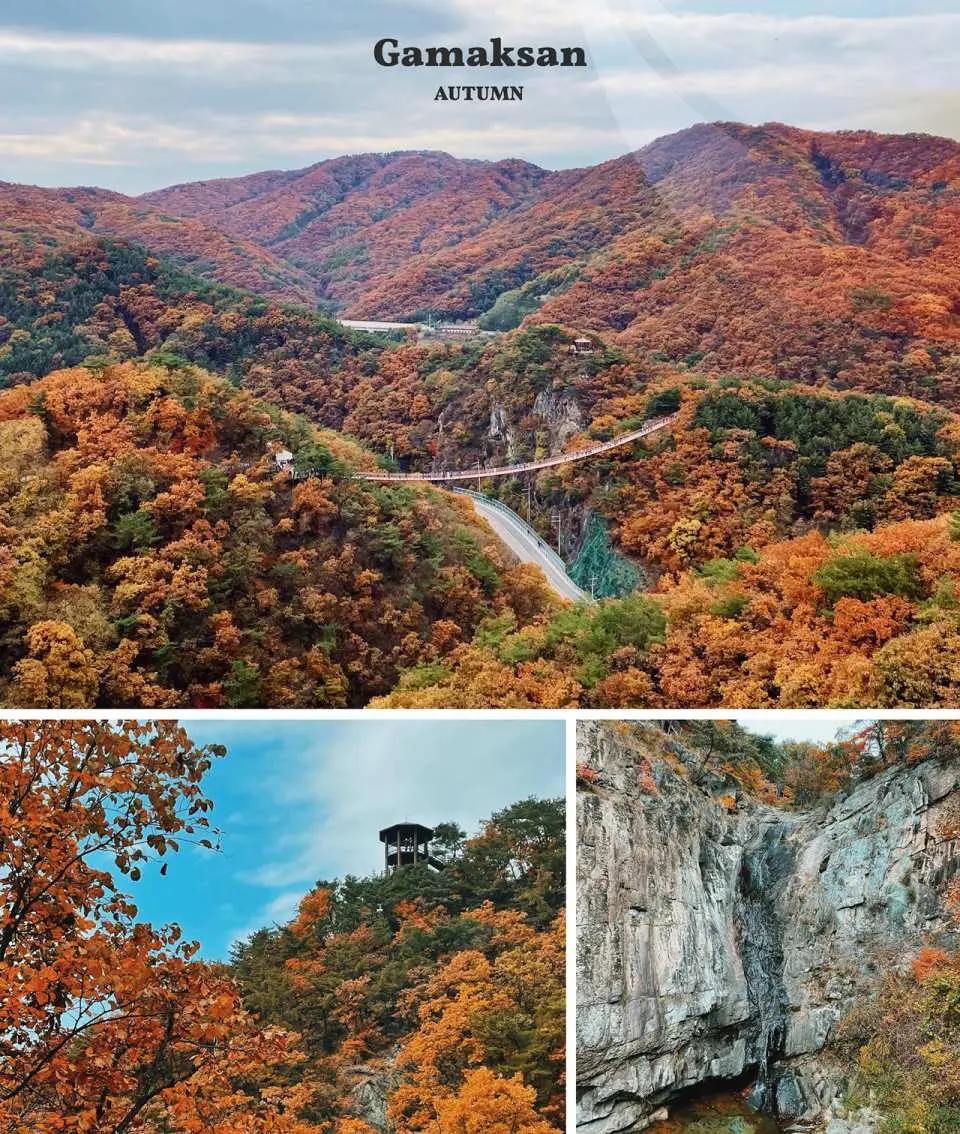
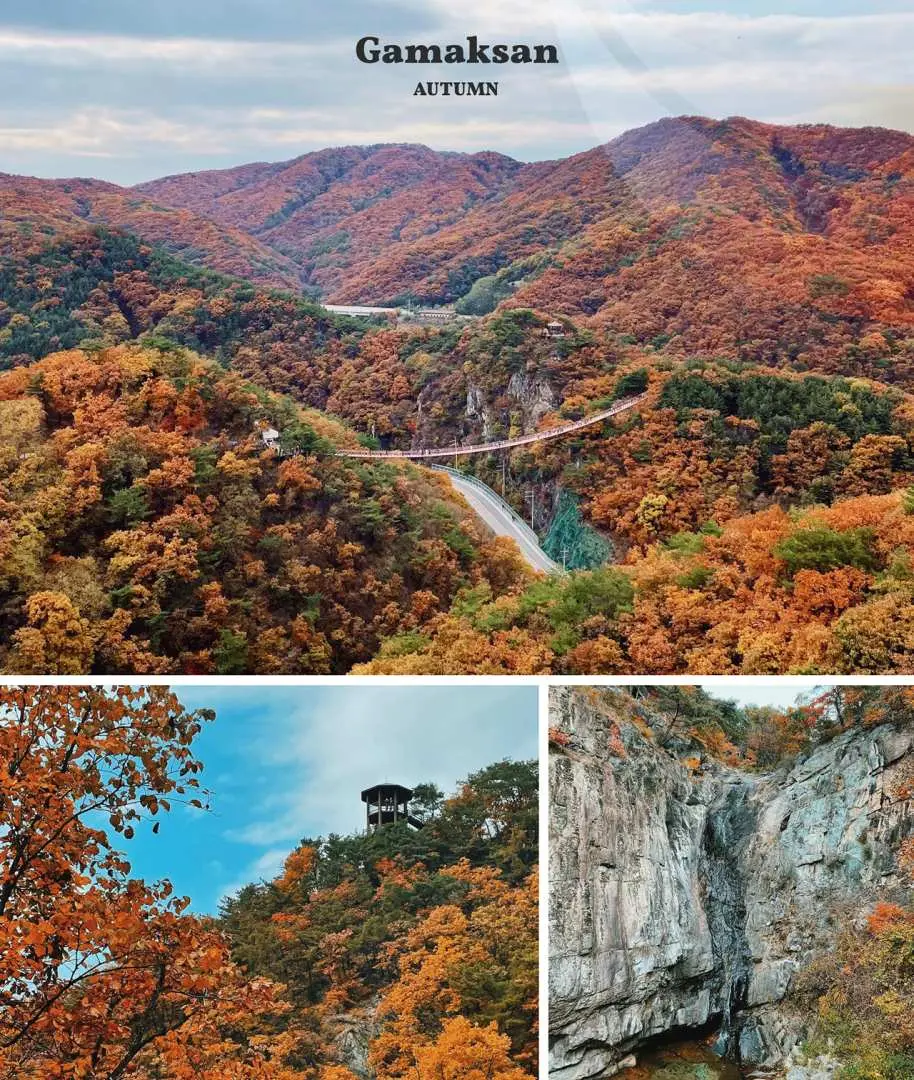
- Explore Gamaksan Mountain for stunning views and an exciting suspension bridge.
- Enjoy the panoramic view of Seoul and the adorable train ride at Sky Park.
- (Winter Package) Pick and taste the juiciest strawberries straight from a local farm.
Sightseeing Tours
| Sightseeing type | Natural sights, Japanese castles, Temples & shrines |
Product Info
<Gamaksan>
Walking across the bridge and enjoying the fall foliage is one of the best ways to enjoy hiking in this season. In winter, the mountain is covered with snow, creating a beautiful landscape. You can enjoy hiking on the white snow as it falls. A view from Gamaksan Rocking Bridge is magnificent.
<Eunpyeong Hanok Village & Jingwansa>
Eunpyeong Hanok Village and Jingwansa Temple are highly regarded as top destinations for experiencing Korea's rich traditional culture and breathtaking scenery. After exploring the charming Hanok Village, be sure to take a stroll to Jingwansa Temple, where you will be immersed in a traditional atmosphere.
<Strawberry Picking>
Immerse yourself in the delightful world of Korean strawberries! Experience the joy of plucking juicy, sun-kissed berries. Taste the burst of sweetness and savor the freshness of these iconic Korean fruits, creating unforgettable memories!
<Cafe Choligol>
Throughout all four seasons, this ""Choligol"" cafe is highly popular among locals for its stunning views. From icy walls to spring flowers, you can see it all here. Escape from the hustle and bustle of Seoul and enjoy a quiet and cozy atmosphere.
<Seoul Haneul Park>
Seoul's Haneul Park is a unique place where nature and the city come together. Especially during spring and autumn, the park transforms into a gorgeous landscape adorned with beautiful flowers, silver grass, and pink muhly. Moreover, Sangam Sky Park is renowned for its panoramic views of Seoul's skyline.
Seoul City & Seasonal Hot Attractions


-
-


-


-


-

-


-


-


-


Purchase Notice
- When booking, please provide your ID for a messaging app (KakaoTalk, WhatsApp, Viber, etc.). We are not liable for communication issues via LINE due to recent restrictions on adding foreign accounts.
- Tour vehicles are assigned based on group size. For small groups, strollers, wheelchairs, and suitcases are not allowed.
- Vehicle type will be confirmed 2–3 days before departure — please check closer to the date if you wish to bring items above.
- Children aged 0 to 2 may join free of charge, provided that they do not occupy separate seats during the tour.
Reminders
A minimum of 4 traveler(s) are required for the tour to depart. If the number of participants does not reach the minimum requirement, the tour will be canceled. An email regarding tour cancellation will be sent 1 day(s) before the departure date
Please arrive at the designated location 10 minute(s) before the scheduled departure time, as the tour will depart on time
🕐 As the vehicle will be depart on time, refunds will not be granted for late arrivals or no‑shows.
🍼 Infants under 3 years old may ride accompanied by a guardian. In this case, a seat, admission ticket, and meals are not included. Please present a valid ID for age verification on the day of departure.
⚠️ All the itineraries of our company do not include personal travel insurance. There are certain risks and dangers in outdoor activities. Guests must evaluate their own health or ability.The company will not be responsible for any physical damage or casualty caused by accidents or unpredictable factors.
🛣️Actual itinerary depends on weather/transportation conditions.
Cancellation Policy
- Cancellations 2 day(s) (inclusive) before the selected date are allowed. Unused orders can be canceled for free
- Cancellation is not allowed between 0–1 days from the selected date. Orders cannot be canceled or modified, and refunds will not be granted.
- Due to time zone differences, the confirmed cancellation date is based on the supplier’s local time. Please allow 2–5 business days to process your cancellation request, after which the cancellation fee will be charged according to the product’s cancellation policy. Once the cancellation is confirmed, you will receive your refund within 14 working days.
FAQ
Eunpyeong Hanok Village offers a tranquil retreat showcasing beautifully preserved traditional Korean houses (hanok) with the picturesque Bukhansan Mountain as its backdrop. Visitors can leisurely explore the intricate architecture, enjoy the serene ambiance, and discover various hanok cafes or cultural centers. This village provides a unique opportunity to immerse oneself in Korean heritage and enjoy scenic views, making it a peaceful cultural experience.
Gamaksan Suspension Bridge is located on Gamaksan Mountain in Paju, Gyeonggi Province, which is north of Seoul. While it's not within Seoul city limits, it's a popular destination for a day trip. Access from Seoul typically involves taking a bus or private transportation. The journey usually takes approximately 1.5 to 2 hours by car or a dedicated tour bus, offering a scenic route through the countryside before arriving at the mountain's base.
Visiting Gamaksan Mountain and its Suspension Bridge provides an exciting and scenic outdoor adventure. The highlight is traversing the 150-meter-long, 45-meter-high suspension bridge, which offers breathtaking panoramic views of the valley and surrounding peaks. Beyond the bridge, visitors can explore various hiking trails suitable for different fitness levels, discover tranquil waterfalls, and learn about local history at sites like the Gamaksan Battle Monument.
To fully appreciate both Eunpyeong Hanok Village and Jingwansa Temple, it is recommended to allocate approximately 2 to 3 hours. This allows sufficient time to leisurely wander through the hanok village, admire its traditional architecture, perhaps enjoy a beverage at a hanok cafe, and then proceed to Jingwansa Temple to soak in its peaceful atmosphere and historical significance without feeling rushed. The exact duration may vary based on personal interest.
Sky Park, situated on an elevated plateau, offers spectacular panoramic views of the Seoul cityscape, including the winding Han River and the surrounding mountains, making it an ideal spot for photography, especially during sunset. A distinctive feature is the charming 'Skyway' train ride, which transports visitors up the gentle slopes to the main park area, adding an element of fun to the journey before enjoying the expansive natural scenery and open spaces.
Strawberry picking is indeed available as a seasonal highlight of the Seoul City tour's winter package. This engaging activity typically runs from December through May, allowing visitors to experience harvesting fresh, succulent strawberries directly from a local farm. It offers a delightful, hands-on agricultural experience and the chance to taste freshly picked produce, making it a popular and memorable part of the tour during the colder seasons.
Jingwansa Temple is a venerable Buddhist temple with a rich history spanning over a thousand years, making it a significant cultural and historical landmark near Eunpyeong Hanok Village. The temple is renowned for its preservation of Korean Buddhist traditions, offering serene temple stay programs, and holds historical records dating back to the Joseon Dynasty, including connections to King Sejong the Great. It provides a profound insight into Korea's spiritual heritage.
Get Help


