


East Berlin Tour | Germany
Uncover the life in communist Berlin on this East Berlin Tour. Witness how East Berliners escaped beneath, over, and through the Berlin Wall. Discover the mysteries of former communist Berlin alongside a knowledgeable guide, uncovering the secrets of the secret police, evacuation tunnels, and a forgotten country.
- Explore East Berlin in the shadow of the Berlin Wall
- Participate in a walking tour of East Berlin and learn about life during the communist era
- Follow the steps of an expert guide to tell the history of old communist Berlin
Package Options


Product Info
— What You Can Expect —
Experience the impact of the Berlin Wall on the city during this captivating 2-hour walking tour, as you explore the division between capitalist West Berlin and communist East Berlin. Witness life in East Germany, where neighbors were encouraged to spy on each other, and escaping the Berlin Wall was a deadly temptation.
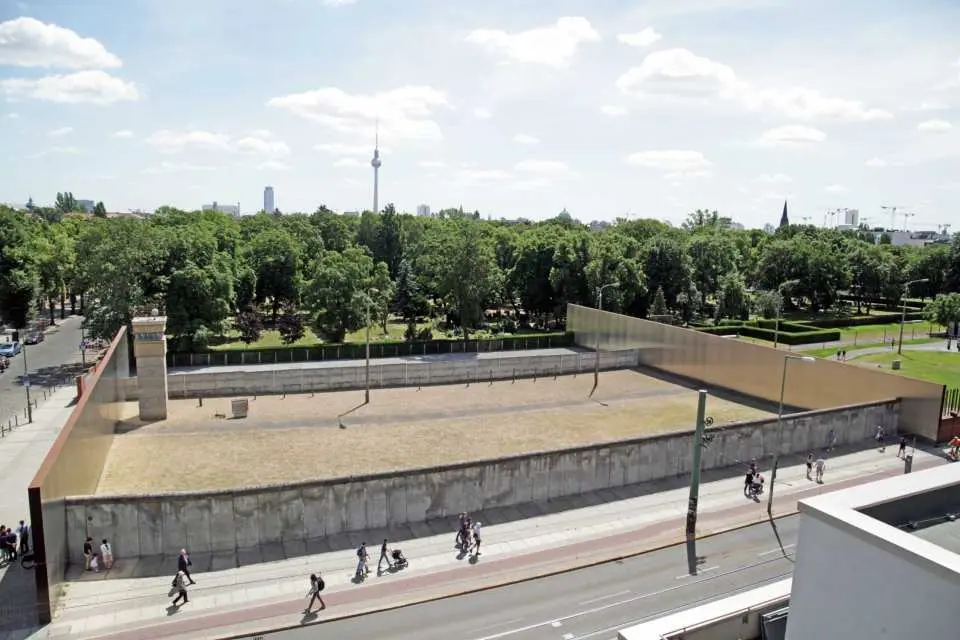
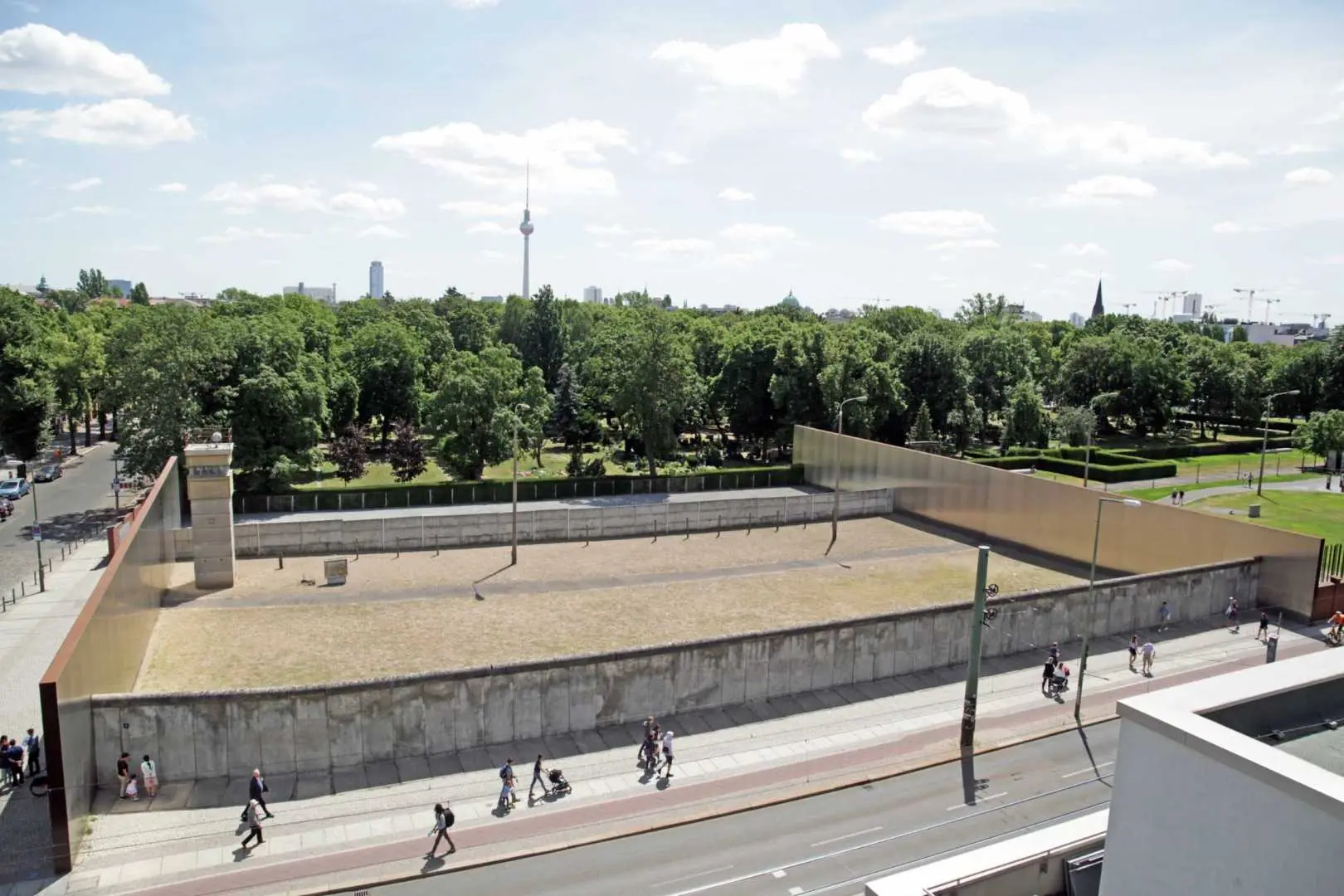
Explore the vanishing remnants of communist East Berlin with an expert guide, questioning the secret police, exploring evacuation tunnels beneath the walls, and immersing yourself in the tale of a bygone nation since Germany's reunification. See memorials to those who lost their lives trying to reach West Germany and discuss what life was really like in East Germany.
Learn how the Berlin Wall was secretly built overnight in 1961 on this fascinating walking tour with KKday!
— Important Info —
- Tour time: 10:00 am
- Meeting point: Starbucks, Hackescher Markt(Address: Neue Promenade 3, 10178 Berlin)
- Duration: approximately 2 hours
Learn about communist Berlin and discover hidden secrets
Purchase Notice
- This tour includes a long walking time, please evaluate your health conditions before booking. This tour is not recommended for travelers with reduced mobility
- The attraction visit sequence is subject to change due to traffic, please follow the tour guide's arrangements
- Please be aware that you need a single AB transit card with you when participating in the tour
Reminders
Please arrive at the designated location 15 minute(s) before the scheduled departure time, as the tour will depart on time
The tour staff will hold a sign that says "Original Berlin Walks". Please arrive at the designated meeting point 15 minutes in advance to check-in
The tour runs rain or shine, please bring your own rain gear for this tour
Cancellation Policy
- Cancellations 3 day(s) (inclusive) before the selected date are allowed. Unused orders can be canceled for free
- Cancellation is not allowed between 0–2 days from the selected date. Orders cannot be canceled or modified, and refunds will not be granted.
- Due to time zone differences, the confirmed cancellation date is based on the supplier’s local time. Please allow 2–5 business days to process your cancellation request, after which the cancellation fee will be charged according to the product’s cancellation policy. Once the cancellation is confirmed, you will receive your refund within 14 working days.
FAQ
While a single U-Bahn (metro) network existed before the Berlin Wall, its operations became divided. East Berlin primarily developed and relied on its S-Bahn (suburban rail) system and an extensive tram network, as most U-Bahn lines either remained in West Berlin or became "ghost stations" under East Berlin, inaccessible to its citizens. The U-Bahn lines connecting directly to East Berlin, like the U8 and U6, mostly served as transit routes for West Berliners.
Travel for East Berlin residents was severely restricted, particularly to West Germany and other Western countries. After the Berlin Wall was built, most citizens were denied exit visas. Exceptions were sometimes made for official business, state-approved visits, or in specific humanitarian cases, but general private travel abroad was largely forbidden. Travel to other Eastern Bloc countries was generally easier, though still controlled.
Within East Berlin, the primary modes of public transportation were the S-Bahn (Stadtbahn, suburban railway) and an extensive tram network. The S-Bahn served as a crucial backbone for longer distances, while the trams provided dense coverage for local travel throughout the city's districts. Buses also supplemented these networks, offering additional routes and connections in areas not fully covered by rail.
The extensive tram network in East Berlin was a legacy of pre-war infrastructure and a pragmatic post-war decision. After the division, West Berlin invested heavily in modernizing and expanding its U-Bahn and bus systems, often replacing trams. East Berlin, facing different economic and planning priorities, maintained and expanded its tram lines, which were seen as an efficient and cost-effective mode of transport for urban areas.
The omnipresent secret police (Stasi) profoundly impacted daily life in East Berlin, creating an atmosphere of surveillance and suspicion. Citizens lived knowing they could be monitored, informed on, or interrogated for any perceived dissent. This led to self-censorship, guarded conversations, and a general distrust, influencing social interactions and limiting personal freedoms and expressions.
Post-war East Berlin's urban planning focused on creating a socialist city, emphasizing grand boulevards like Karl-Marx-Allee with monumental, state-funded housing blocks (Plattenbau) and public spaces. The rebuilding prioritized functionality, collective living, and national identity, often contrasting with the more varied and commercial development styles seen in West Berlin, which integrated modern high-rises and private enterprises.
East Berliners used various daring methods to escape across the Berlin Wall. These included digging tunnels beneath the wall, constructing hot air balloons to fly over it, attempting to swim across the Spree River or other waterways, or modifying vehicles to ram through border checkpoints. Many attempts were highly inventive and often involved significant risk and planning, reflecting the desperation to flee to the West.
East Berlin's culture and society were distinct due to its socialist system, emphasizing community, state-controlled media, and a planned economy. Public life revolved around state-sponsored organizations and events, promoting collective values. Consumer goods were limited, leading to unique social adaptations and a thriving black market. Artistic expression was often state-subsidized but subject to political approval.
Get Help


