


Munich | Bavarian Beer Tour from Munich
- Enjoy a beer tour with professional English-speaking guide
- Visit the beautiful Beer and Oktoberfest Museum
- Understand the culture of brewing
- Have delicious beer and Bavarian cuisine, combined with interesting information about German beer history and culture.
Package Options


Product Info
—What to expect—
The Munich Beer Tour from Radius Tours offers a very interesting tour of Munich with a lot of exciting information about the history, culture and production of beer. It introduces you to different types of beer and allows you to try different beers and Bavarian cuisine. Together we will visit the Oktoberfest Museum, enjoy a beer tasting, visit a traditional Munich beer garden and visit the famous Hofbrauhaus. Immerse yourself in the world of beer with the Munich Beer Tour.
—Important info—
- Duration: approx. 3.5 hours
- Tour won't be operated during Oktoberfest, on 24, 25, 31 Dec. and 1 Jan.
- Meeting point: Radius Tours Office
- Please arrive 15 minutes prior to the start time, there is no any refund or compensation if you are late or no show
Get the information about the history, culture, and production of beer


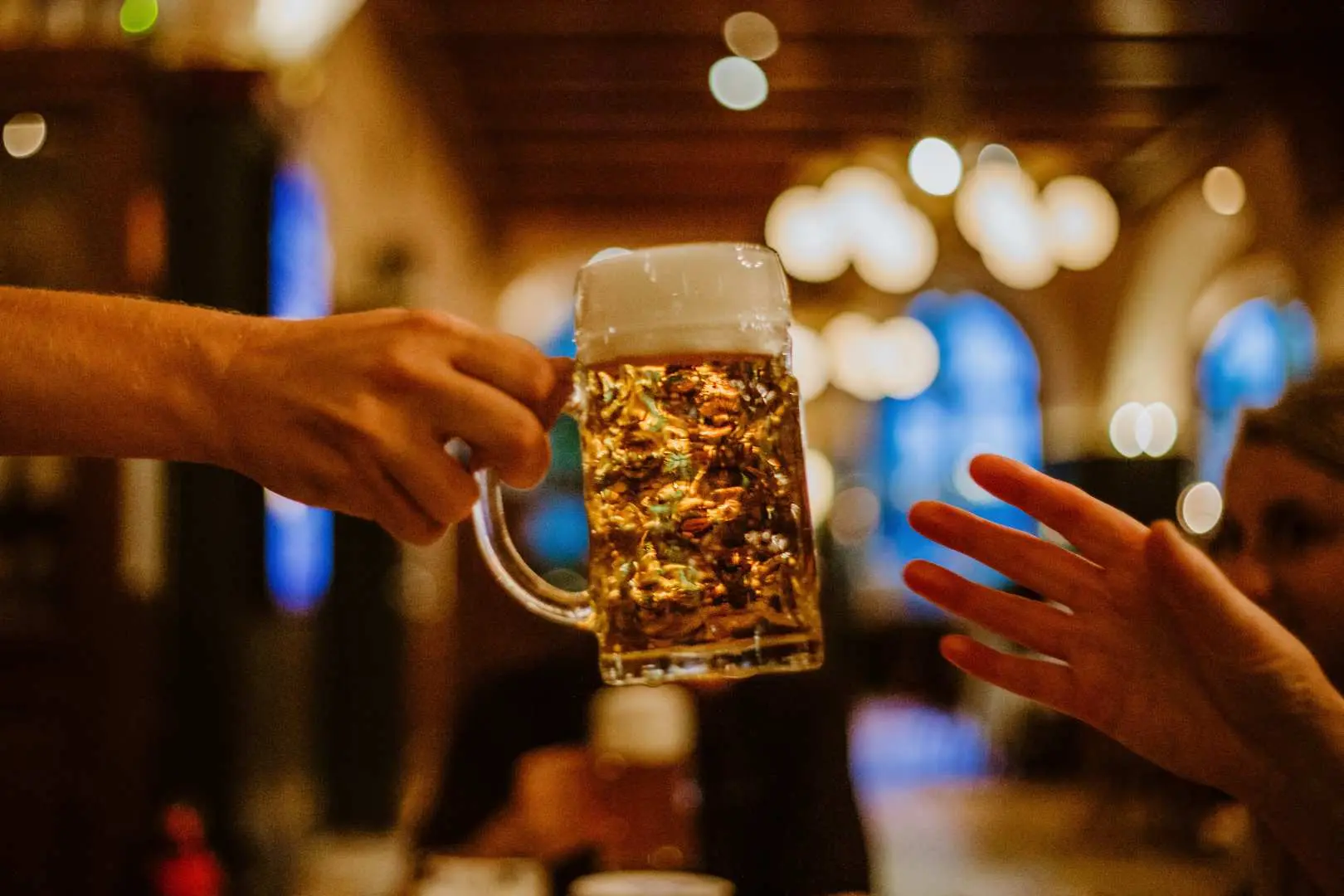
Of course, you won't miss the opportunity to taste the beer

Purchase Notice
- The stag parties aren't allowed to participate in this tour
- This is a walking tour, please consider your physical conditions before making the booking
- The tour will include alcohol beverages, please notice those who are under 18 years old are not allowed to drink any alcohol beverages and it is advisable to have your ID with you
- Excessive alcohol consumption is harmful for your health
- KKday does not involved any preparation and offer in meals and beverage, which are provided or sold by the wine cellar mentioned in the tour description
- If there is any issues of the activity, please talk directly to the local operator on site
Reminders
Please arrive at the designated location 15 minute(s) before the scheduled departure time, as the tour will depart on time
It's recommended to wear suitable clothing and comfortable shoes
Cancellation Policy
- Cancellations 3 day(s) (inclusive) before the selected date are allowed. Unused orders can be canceled for free
- Cancellation is not allowed between 0–2 days from the selected date. Orders cannot be canceled or modified, and refunds will not be granted.
- Due to time zone differences, the confirmed cancellation date is based on the supplier’s local time. Please allow 2–5 business days to process your cancellation request, after which the cancellation fee will be charged according to the product’s cancellation policy. Once the cancellation is confirmed, you will receive your refund within 14 working days.
FAQ
The Hofbräuhaus, established in 1589, is one of Munich's oldest and most historically significant beer halls. Originally a royal brewery, it became a public beer hall in the 19th century and is renowned for its traditional Bavarian atmosphere, live oompah bands, and communal seating. It has hosted countless historical figures and remains a vibrant symbol of Munich's rich brewing heritage and social culture, offering an authentic taste of Bavarian tradition.
Visitors to the Hofbräuhaus can savor a range of traditional Bavarian dishes alongside their renowned beers. Expect hearty meals such as Schweinshaxe (roasted pork hock), Weißwurst (white sausage with sweet mustard), Leberkäse (meatloaf), and various types of Schnitzel. These are typically accompanied by freshly baked pretzels and a choice of their classic brews, including Hofbräu Original (Helles), Weißbier, and Dunkel, served in traditional steins.
For a comprehensive experience at the Hofbräuhaus, most visitors find 1.5 to 2.5 hours sufficient. This allows time to find a seat, enjoy a traditional Bavarian meal and a beer, and soak in the lively atmosphere with the live oompah band. If you wish to simply grab a quick drink and observe the surroundings, an hour might suffice, but staying longer to absorb the vibrant culture and enjoy the entertainment is often recommended.
Munich's Beer and Oktoberfest Museum is housed in one of the city's oldest preserved residential buildings. It offers fascinating insights into the history of Bavarian brewing, from its ancient origins to modern practices. Visitors can explore exhibits detailing the Reinheitsgebot (Bavarian Beer Purity Law), the evolution of beer production, and the rich traditions and origins of the world-famous Oktoberfest celebration, featuring historical artifacts and engaging displays.
A Munich beer tour typically delves into the profound influence of beer on German culture, highlighting the historic Reinheitsgebot (Beer Purity Law) and its impact on brewing standards. It explores the origins of monastery brewing, the evolution of local breweries, and the role of beer in Bavarian social life and festivals like Oktoberfest. Participants gain an appreciation for the diverse styles of German beer and the deep-rooted traditions that define its unique heritage.
The Hofbräuhaus is renowned for its grand scale, vibrant, often boisterous atmosphere, and strong appeal to international visitors, often featuring lively oompah bands. Other notable beer halls in Munich, such as Augustiner-Keller or Löwenbräukeller, may offer a slightly more local clientele or a different ambiance, sometimes with large beer gardens. While all uphold traditions of Bavarian food and beer, the Hofbräuhaus stands out for its iconic status and lively, large-scale experience.
Bavaria's fame for brewing traditions stems from centuries of dedicated craftsmanship, most notably the 1516 Reinheitsgebot, or Beer Purity Law, which legally defined beer ingredients. This historic regulation ensured high quality and distinctiveness. The region boasts a rich history of monastery brewing, unique local ingredients, and a deep cultural integration of beer into daily life and celebrations like Oktoberfest, making it a globally recognized center for exceptional brewing.
Local Bavarian beers offer a diverse range of tastes shaped by centuries of tradition. Visitors can typically taste Helles, a pale lager known for its clear, malty sweetness and balanced hop bitterness. Weissbier (wheat beer) features fruity, spicy notes reminiscent of banana and clove. Dunkel is a dark lager with rich malt flavors and hints of caramel. Stronger seasonal beers like Bock or Doppelbock also showcase complex, often sweeter, full-bodied profiles, reflecting the region's brewing mastery.
Get Help


