



리버 보트 왕궁 에메랄드 사원 새벽 사원 반일 투어
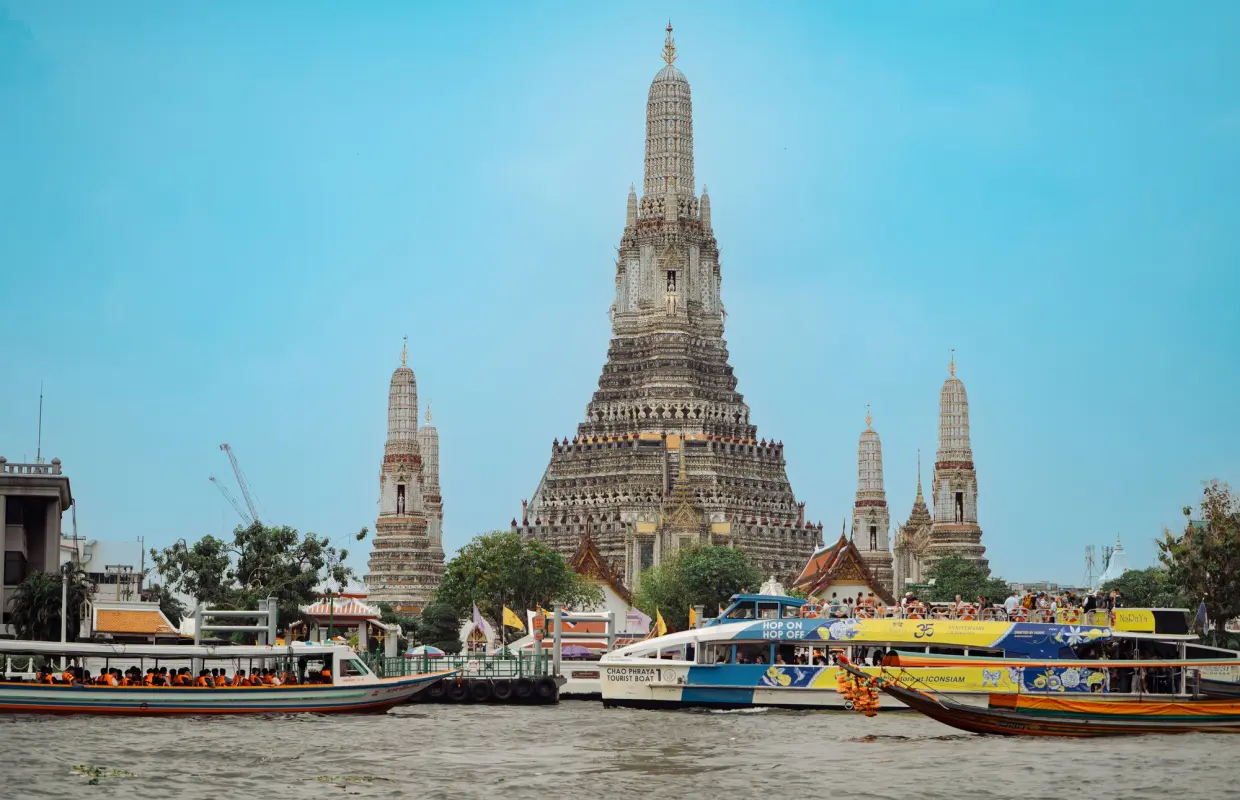
- 태국 관광 명소 1위! 꼭 한 번은 가봐야 하는 왕궁, 에메랄드 사원, 왓 아룬(새벽사원) 투어 입니다.
- 대형 보트를 이용하여 이동하여 교통체증 없이 투어를 즐길 수 있습니다.
- 짜오프라야 원데이 패스가 포함되어 있어 투어 후에도 배를 이용해서 원하시는 곳을 갈 수 있어요!
Package Options


Product Info
The content of this product is provided by machine translation and may not reflect the actual information, please take this into consideration before booking.
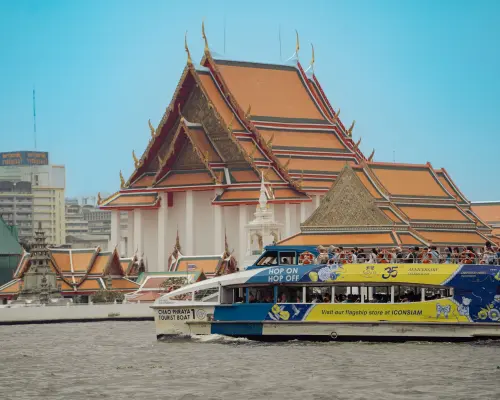
You can travel along the Chao Phraya River without traffic jams by taking a tourist boat.
You can visit the Grand Palace & Temple of the Emerald, essential tourist attractions for a trip to Bangkok, and the famous Temple of Dawn in half a day.
왕궁 복장 규정을 준수해주세요. 왕궁 입장 불가한 복장으로 오셔서 현장에서 입장 거부될 경우 도움을 드리기 어렵습니다. (현장 대여 불가능) * 키가 120cm 미만인 어린이의 경우 반바지를 입어도 됩니다.


Purchase Notice
- This product requires a minimum of four participants to depart. If the minimum number of participants is not met, the tour may be canceled up to one day prior to departure. If departure is not possible, we will contact you individually to inform you of any changes or cancellations.
- Passport verification is not required upon entering the palace, but we recommend that you save a photo of your passport on your phone and participate in the tour.
- Meetings are only permitted at the meeting location. Meetings are not permitted in front of the palace, at other docks, or onboard ships.
- Tours are not available on Palace Holidays. Palace Holiday Information
- The tour will proceed even if it rains. Even if rain prevents the tour from proceeding, the tour fee will not be refunded.
*If the tour includes admission tickets: Tickets for places not visited can be refunded. - To ensure a smooth tour, we will be on time. If you are late, you will be marked as a no-show, and changes, cancellations, and refunds will not be possible. Please arrive on time.
- Please arrive on time, as the ship may depart earlier than scheduled. If you are late, you may not be able to board.
Reminders
A minimum of 4 traveler(s) are required for the tour to depart. If the number of participants does not reach the minimum requirement, the tour will be canceled. An email regarding tour cancellation will be sent 1 day(s) before the departure date
FAQ
The Grand Palace is a pivotal historical landmark, having served as the official residence for the Kings of Siam (and later Thailand) since the 18th century. Its architectural style is a magnificent fusion of traditional Thai aesthetics with European influences, characterized by intricate detailing, gleaming golden spires, and vibrant murals. Key areas include the Outer, Middle, and Inner Courts, each housing distinctive buildings like the Phra Thinang Chakri Maha Prasat, known for its unique blended design, and the Amarin Winitchai Throne Hall.
While the Grand Palace no longer serves as the royal residence, it continues to be the venue for significant royal ceremonies and state functions. Visitors are invited to explore its various halls, temples, and courtyards, which offer profound insights into Thailand's rich history and cultural heritage. A major highlight for visitors is the Temple of the Emerald Buddha (Wat Phra Kaeo), situated within the palace grounds, showcasing exquisite religious art and intricate architecture, providing a deep cultural immersion.
The Temple of the Emerald Buddha, officially known as Wat Phra Kaeo, holds the revered Emerald Buddha, which is the most sacred image in Thailand. This Buddha image is carved from green jade, not actual emerald, and its ceremonial robes are changed three times annually by the King of Thailand to mark the changing seasons. It profoundly symbolizes the divine protection of the nation and its monarchy, establishing it as Thailand's paramount Buddhist temple.
To enter the sacred Temple of the Emerald Buddha, visitors must adhere to a strict dress code, ensuring their shoulders and knees are fully covered. Shoes must be removed before stepping into the main chapel. Inside the chapel itself, photography is strictly prohibited to maintain the sacredness of the space and protect the revered Emerald Buddha image. However, photography is generally permitted in the surrounding courtyards and other parts of the Grand Palace complex.
Visitors can purchase entrance tickets directly at the ticketing counter located at the Grand Palace upon arrival. For a more streamlined and convenient experience, many choose to pre-book their tickets through established travel platforms. Booking via KKday offers the advantage of guaranteed access and can often include additional services, such as expert guided tours, which greatly enhance understanding of the historical and cultural depth of these significant sites.
A Chao Phraya River boat cruise provides a distinct perspective of Bangkok, allowing travelers to admire iconic landmarks like the Grand Palace, Wat Arun, and other riverside temples directly from the water. It serves as a relaxing mode of transport between attractions, effectively bypassing city traffic. The cruise delivers stunning scenic views, particularly enchanting during sunset, and often features commentary on the history and culture of the communities along the riverbanks, embodying a true Bangkok charm.
The Chao Phraya River Express boats are accessible from various piers situated along the river, with Sathorn Pier (adjacent to Taksin BTS Station) serving as a major embarkation point. The included Chao Phraya One-Day Pass grants unlimited rides on the Express Boat services throughout the day. This pass significantly enhances the experience by offering flexible transportation, enabling visitors to hop on and off at different piers to explore numerous riverside attractions at their leisure without the need for multiple ticket purchases.
Wat Arun, famously known as the Temple of Dawn, is celebrated for its magnificent central prang, a Khmer-style tower exquisitely adorned with intricate patterns of colorful porcelain and seashells. Visitors can closely examine its distinctive architecture and ascend certain sections of the prang for sweeping panoramic views of the Chao Phraya River and Bangkok's skyline. The temple's detailed craftsmanship and picturesque riverside location make it an exceptional subject for photography, especially during sunrise or sunset.
Get Help


