



Sakamoto Ryoma Memorial Museum Admission Ticket | Kochi
Experience the life and legacy of Ryoma Sakamoto at Sakamoto Ryoma Memorial Museum that sits atop Katsurahama Park's hill.
- Explore Ryoma Sakamoto's achievements and the Bakumatsu period through engaging displays
- Learn about Ryoma Sakamoto's profound impact on modern Japan, presented through illustrations and videos tailored for all ages
- Admire the panoramic view of the Pacific Ocean from the museum's main building rooftop
- Enjoy proximity to other attractions, such as Katsurahama's Statue of Ryoma Sakamoto and Katsurahama Aquarium
Attraction Tickets
| Ticket type | E-ticket (direct entry) |
| Exhibit type | Historical exhibits |
| Attraction type | History & culture, Aquariums |
| Tour types | None |
Product Info
The content of this product is provided by machine translation and may not reflect the actual information, please take this into consideration before booking.
— What You Can Expect —
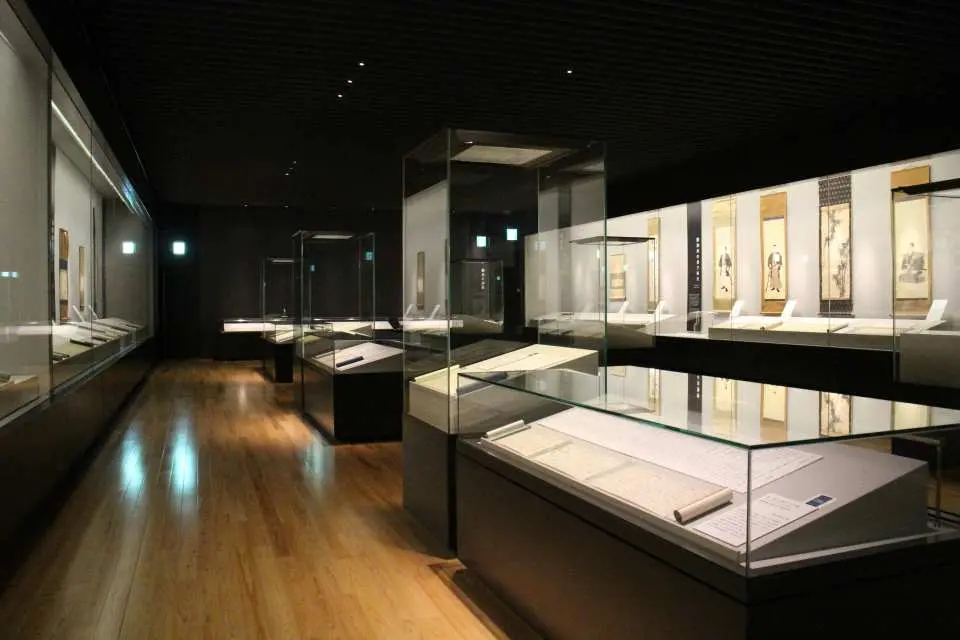
Perched on the hill of Katsurahama Park is a museum dedicated to the legacy of Ryoma Sakamoto, Kochi Prefecture's hero. Having undergone a significant renovation in 2018, the museum draws visitors into the world of Ryoma through personal letters to his sister, Otome, and insightful videos. Notably, it houses the largest collection of Ryoma's letters in Japan, earning its title as the "Ryoma Hall of Fame".
Beyond the exhibits, visitors are treated to a spectacular panoramic view of the Pacific Ocean, and a life-sized Ryoma statue at the entrance - great for photos! For more details on the exhibits, please click here (information available in Japanese only).
Visit the renovated Sakamoto Ryoma Memorial Museum (in 2018), a haven for both Ryoma enthusiasts and newcomers alike


Celebrate Ryoma Sakamoto, a timeless hero brought to life through historical dramas, novels, and manga


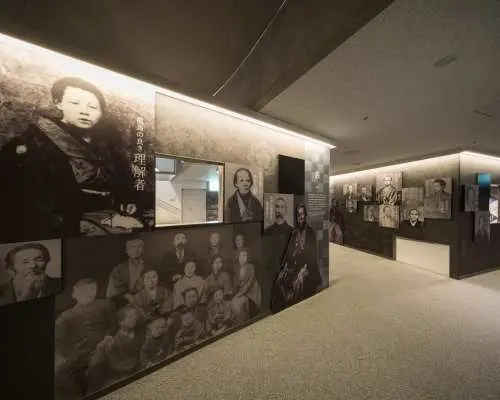
Enter Ryoma's world with displayed letters, captivating portraits, and artifacts that give you a glimpse of his life

Elevate your experience on the museum's rooftop, and enjoy stunning views of the Pacific Ocean


Purchase Notice
- The museum may be temporarily closed due to weather conditions or other reasons. Please check the official website in advance.
- The permanent exhibition rooms will be closed (no permanent exhibits) during the following periods for environmental maintenance: June 4th (Thu), 2026 to June 11th (Thu), 2026, and January 14th (Thu), 2027 to January 21st (Thu), 2027.
- On Saturday, November 15th, admission to the Ryoma Memorial Museum will be free of charge, as it is both Ryoma's birthday and the museum's anniversary.
Includes/Excludes
- Admission fee
- Personal expenses
Reminders
The museum may be temporarily closed due to weather conditions or other reasons. Additionally, entry may be restricted depending on the level of crowding.
Please refrain from bringing food and drinks into the building
No smoking inside the Museum (There is a smoking area outside the building)
You can re-enter by presenting the admission ticket only on the day
Cannot be combined with other discount services. Please check our website for details
No Cancellation (refund) after scanning the QR code
How to Redeem Your Voucher
How to Use Your Voucher
- Please present your QR code on-site
Experience Location
Location Name: Sakamoto Ryoma Memorial Museum
Address: 830 Urato Shiroyama, Kochi City Ryoma Sakamoto Memorial HallBusiness hours: 9:00 am-5:00 pm (Last entry time: 4:30 pm)
Cancellation Policy
- Free cancellation!
- Due to time zone differences, the confirmed cancellation date is based on the supplier’s local time. Please allow 2–5 business days to process your cancellation request, after which the cancellation fee will be charged according to the product’s cancellation policy. Once the cancellation is confirmed, you will receive your refund within 14 working days.
FAQ
The Sakamoto Ryoma Memorial Museum extensively showcases Ryoma's pivotal role during the Bakumatsu period. Visitors can explore his revolutionary ideas, efforts in political reform, and his vision for a modern Japan. Exhibits highlight his achievements, such as mediating the Satsuma-Choshu Alliance, which profoundly impacted the Meiji Restoration and shaped the nation's future. The museum uses engaging displays and multimedia to detail his contributions.
The museum illustrates Sakamoto Ryoma's lasting legacy through various presentations, including illustrations and videos tailored for all ages. It emphasizes his profound impact on modern Japan's political and social landscape. Visitors gain insight into how his ideas and actions continue to resonate, cementing his status as a national hero and symbol of progressive change. The exhibits convey his vision and influence across generations.
The Sakamoto Ryoma Memorial Museum highlights Ryoma's forward-thinking mindset, courage, and leadership qualities. Visitors learn about his independent spirit, his ability to bridge divides between warring factions, and his unwavering dedication to his country's future. Exhibits often portray him as an innovative and charismatic figure, emphasizing his adaptability and strategic thinking during a turbulent era.
Yes, the Sakamoto Ryoma Memorial Museum provides detailed information about his life, which includes the circumstances surrounding his assassination. A comprehensive museum dedicated to his life would naturally cover this significant event. Visitors can expect to find historical accounts and contextual details regarding his death in Kyoto, helping to understand the historical context of his final moments.
Ryoma Sakamoto's primary burial site is located at Kyoto Gokoku Shrine (京都霊山護国神社) in Kyoto. While the Sakamoto Ryoma Memorial Museum in Kochi focuses on his life and legacy, it is highly likely that a comprehensive exhibition dedicated to him would mention his final resting place as part of his complete life story. Visitors can find details about significant events from his life, including his death and burial.
The Sakamoto Ryoma Memorial Museum offers engaging displays, illustrations, and videos to immerse visitors in Ryoma's life. Guests can explore his achievements during the Bakumatsu period and understand his profound impact on modern Japan. The museum also provides a unique experience by offering panoramic views of the Pacific Ocean from its main building rooftop, connecting his story to the vastness of the world he sought to change.
The Sakamoto Ryoma Memorial Museum is conveniently located atop Katsurahama Park's hill, placing it in proximity to several other attractions. Visitors can easily explore Katsurahama's iconic Statue of Ryoma Sakamoto, which overlooks the Pacific Ocean. The Katsurahama Aquarium is also nearby, offering an engaging experience with marine life. The park itself provides scenic views and a pleasant environment for exploration.
The Sakamoto Ryoma Memorial Museum primarily covers the tumultuous Bakumatsu period (late Edo period) of Japanese history. Its exhibits detail Ryoma Sakamoto's life, his visionary ideas, and his crucial role in the political and social reforms that led to the Meiji Restoration. The museum uses engaging displays and multimedia to explain the key events and challenges of this transformative era.
Get Help


