


Fun Dives in Boracay for Licensed Scuba Divers | Philippines
- Take your Boracay holiday to the next level
- Discover the beautiful waters around Magic Island
- Inclusive of scuba equipment hire
Package Options
Water Activities
| Water activity type | Diving |
| Special water activity | Fun dive (license required) |
Product Info
— What You Can Expect —
Get a taste of the Philippines's beauty underwater! Boracay Island has more than twenty dive sites to choose from and explore. So get your gear, suit up, and start diving!
— Important Info —
- Dive times: 8:00 am, 10:00 am, 12:00 pm, and 2:00 pm
- Meeting point: Dive Gurus Boracay
Discoveer Boracay's rich marine life
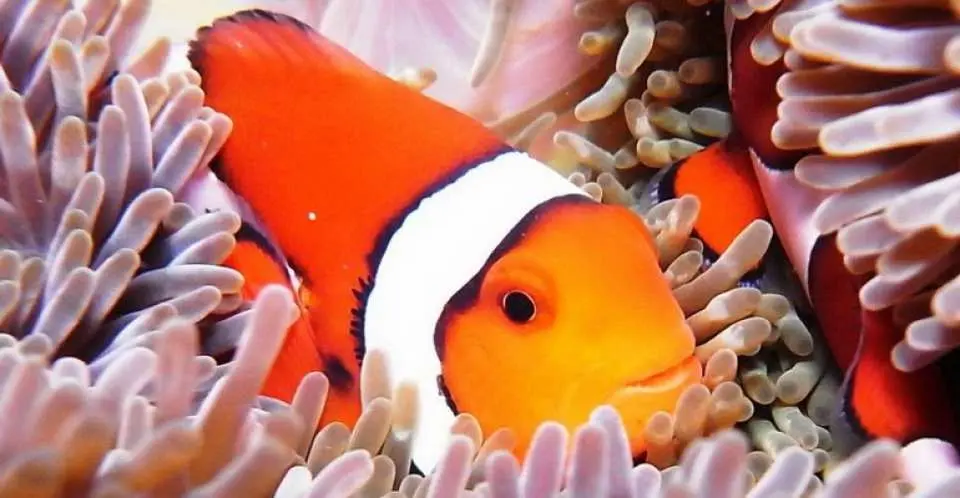
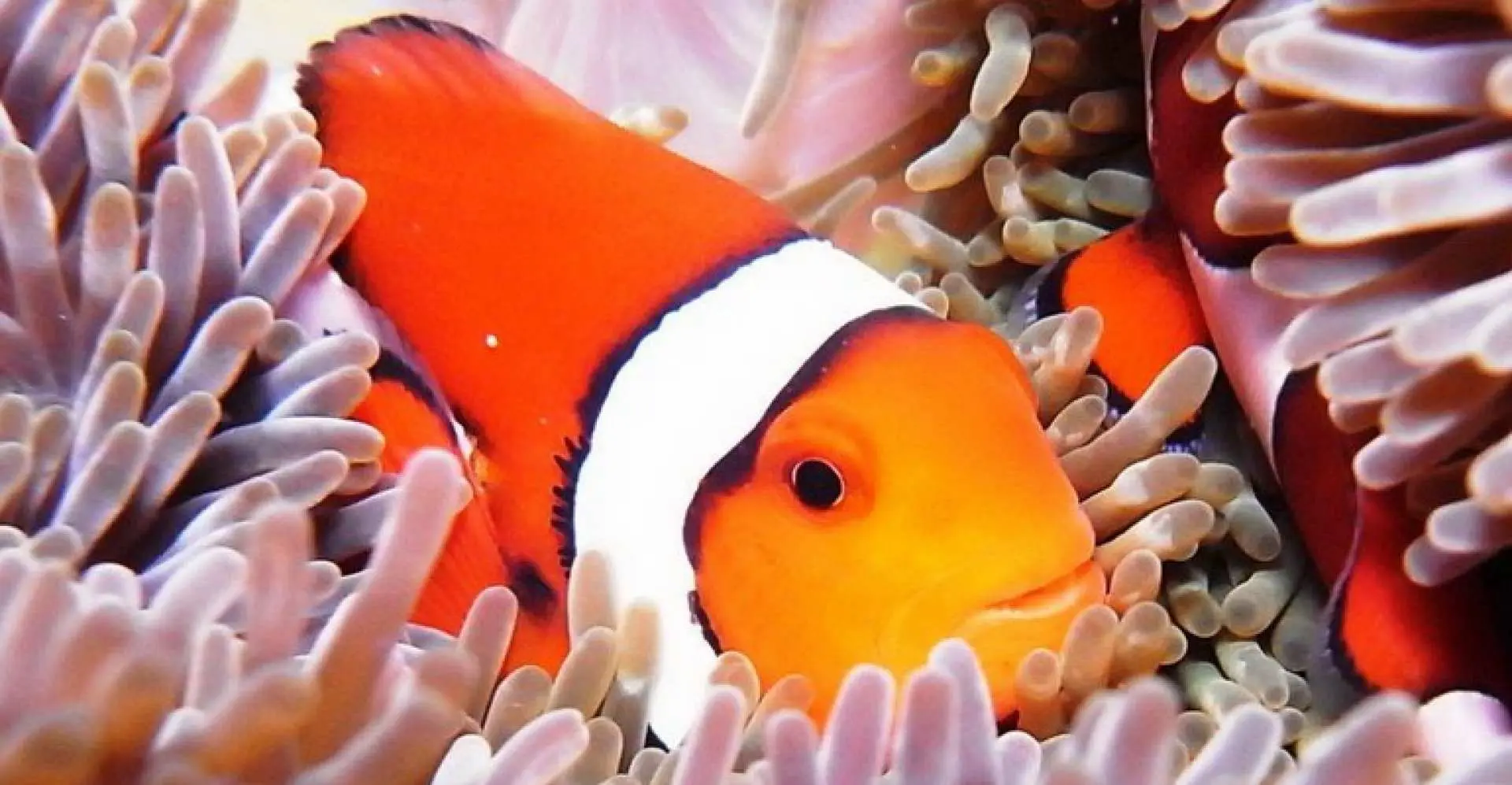
Marvel at the beautiful coral reefs


Have fun diving the beautiful waters around Boracay!


Purchase Notice
- Only licensed divers aged 10 years old and above are allowed to dive
- Please arrive 30 minutes before the dive time for the safety briefing
Includes/Excludes
Reminders
In case of delays caused by traffic, weather, or other force majeure factors resulting in the cancellation of some itinerary attractions, please contact customer service. We will arrange a partial refund for you
Travelers with the following conditions or other health issues that could be worsened by excessive stimulation should not participate in this activity: High blood pressure, Heart disease, Acrophobia, Epilepsy, Asthma, Pregnant women
How to Redeem Your Voucher
How to Use Your Voucher
- Please present the e-voucher on-site
Experience Location
Location Name: Dive Gurus Boracay
Address: Sitio Ambulong Rd, Boracay Island, Malay, 5608 Aklan, PhilippinesCancellation Policy
- Cancellations 1 day(s) (inclusive) before the selected date are allowed. Unused orders can be canceled for free
- Cancellation is not allowed between 0–0 days from the selected date. Orders cannot be canceled or modified, and refunds will not be granted.
- Due to time zone differences, the confirmed cancellation date is based on the supplier’s local time. Please allow 2–5 business days to process your cancellation request, after which the cancellation fee will be charged according to the product’s cancellation policy. Once the cancellation is confirmed, you will receive your refund within 14 working days.
FAQ
Boracay boasts a diverse range of dive sites, primarily characterized by gentle coral slopes and clear waters. These sites are suitable for certified divers of all levels, from beginner drift dives to advanced wreck dives. You can explore reef gardens teeming with soft and hard corals, observe abundant tropical fish, sea turtles, schools of barracuda, and even have a chance to encounter reef sharks, making it an excellent location for marine life observation. The varied diving experiences allow you to deeply appreciate the unique charm of Boracay's underwater world.
The best months for scuba diving in Boracay are typically during the dry season from November to May, also known as the 'Amihan Season'. During this period, the weather is stable, with ample sunshine, calm seas, excellent visibility, and comfortable water temperatures, making it ideal for scuba diving. January to March, in particular, offers pleasant weather and is considered the golden period for diving in Boracay.
October marks a transitional period for Boracay as it gradually shifts from the wet season (Southwest Monsoon, Habagat Season) to the dry season. Rainfall decreases during this time, though occasional showers may still occur. Sea conditions begin to stabilize, with visibility typically ranging from 10 to 20 meters, and water temperatures around 27-29°C. While not as perfect as the dry season, scuba diving is still possible, and the selection of dive sites starts to increase. It's a month where you can avoid the peak season crowds.
Visibility for diving in Boracay varies by season. During the dry season (November to May), it typically reaches 20-30 meters or more with crystal-clear water. In the wet season (June to October), visibility may slightly decrease to around 10-20 meters. Water temperatures in Boracay are warm year-round, averaging between 27°C and 30°C, which is very comfortable even in winter and ideal for extended underwater activities.
Before diving in Boracay, certified divers must ensure their diving certifications are valid and meet the requirements for the dives they plan to undertake. Equipment checks should be performed before departure to ensure all scuba gear is functioning properly. During the dive, strictly follow the instructions of the dive guide or instructor, adhere to the dive plan, and pay special attention to dive depth, time, and no-decompression limits. Always maintain contact with your dive buddy and monitor your physical condition to ensure safe diving.
During your scuba diving experience in Boracay, you can expect to see a vibrant array of marine life. Common sightings at dive sites include various tropical fish such as clownfish, lionfish, and butterflyfish, as well as stunning underwater landscapes formed by starfish, sea urchins, and soft and hard corals. With a bit of luck, you might also encounter sea turtles, sea snakes, or even sleeping reef sharks, experiencing a lively underwater world.
Boracay's scuba diving experience is renowned for its diversity and accessibility. Compared to some remote dive sites, Boracay not only offers beautiful white-sand beaches and well-developed tourist facilities but also has relatively concentrated and easily accessible dive sites. The dive sites here are suitable for divers of all experience levels, with easy exploration of abundant coral gardens, shipwreck remnants, and macro life. The clear water and pleasant temperatures make diving more comfortable and enjoyable, making it ideal for travelers looking to combine a vacation with diving.
Boracay's weather changes are primarily divided into the dry season (Northeast Monsoon) and the wet season (Southwest Monsoon). During the dry season, seas are calm, visibility is high, and diving conditions are excellent, allowing easy access to almost all dive sites. In the wet season, influenced by the Southwest Monsoon, currents at some dive sites may be stronger, and visibility can decrease. However, diving can still be conducted at sites with less wind and waves or those protected by topography. Local dive centers will select the safest dive sites based on weather conditions to ensure a safe diving experience.
Get Help


