


Twin Cities Cultural Tour: Cebu & Lapu-Lapu | The Philippines
Embark on a tour and discover why Cebu City was declared the “Queen City of the South” and Lapu-Lapu City the “Historic Resort City”!
- See the famous landmarks of Cebu and Lapu-Lapu, like Fort San Pedro, Magellan's Cross and Mactan Shrine
- Explore these two urbanized cities in Central Visayas
- Visit the famous Temple of Leah and Sirao Garden
Package Options


Sightseeing Tours
| Minimum participant requirement | 1 traveler, 2 travelers, 3 travelers, 4 travelers, 5 travelers, 6 travelers, 7 travelers, 8 travelers, 9 travelers, 10 travelers, 11 travelers, 12 travelers |
| Sightseeing type | City walking tour, Historic site tour |
| Transport | Charter car |
Product Info
— What You Can Expect —
See the sights of Cebu City and Mactan on this tour! Visit historical and cultural attractions, such as Basilica Minore del Santo Niño de Cebu, and learn the story behind Magellan's Cross. Visit Fort San Pedro, Heritage of Cebu Monument, Yap San Diego Ancestral House, Guitar Factory, and Mactan Shrine. Gain insight into the cultural and historical significance of these sites, as well as their important role in the history of Cebu. Visit the famous Temple of Leah and the Sirao Garden.
— Itinerary Info —
- 8:00 am: Get picked up from your hotel in Mandaue, Lapu-Lapu, Cebu, or airport, nd start the city tour
- 12:00 pm: Lunch
- 1:00 pm: Continue with the city tour
- 5:00 pm: Drop-off
- These are just estimated times, subject to change on the day of the tour depending on the traffic and location of your hotel.
Magellan's Cross


Fort San Pedro


Heritage of Cebu Monument


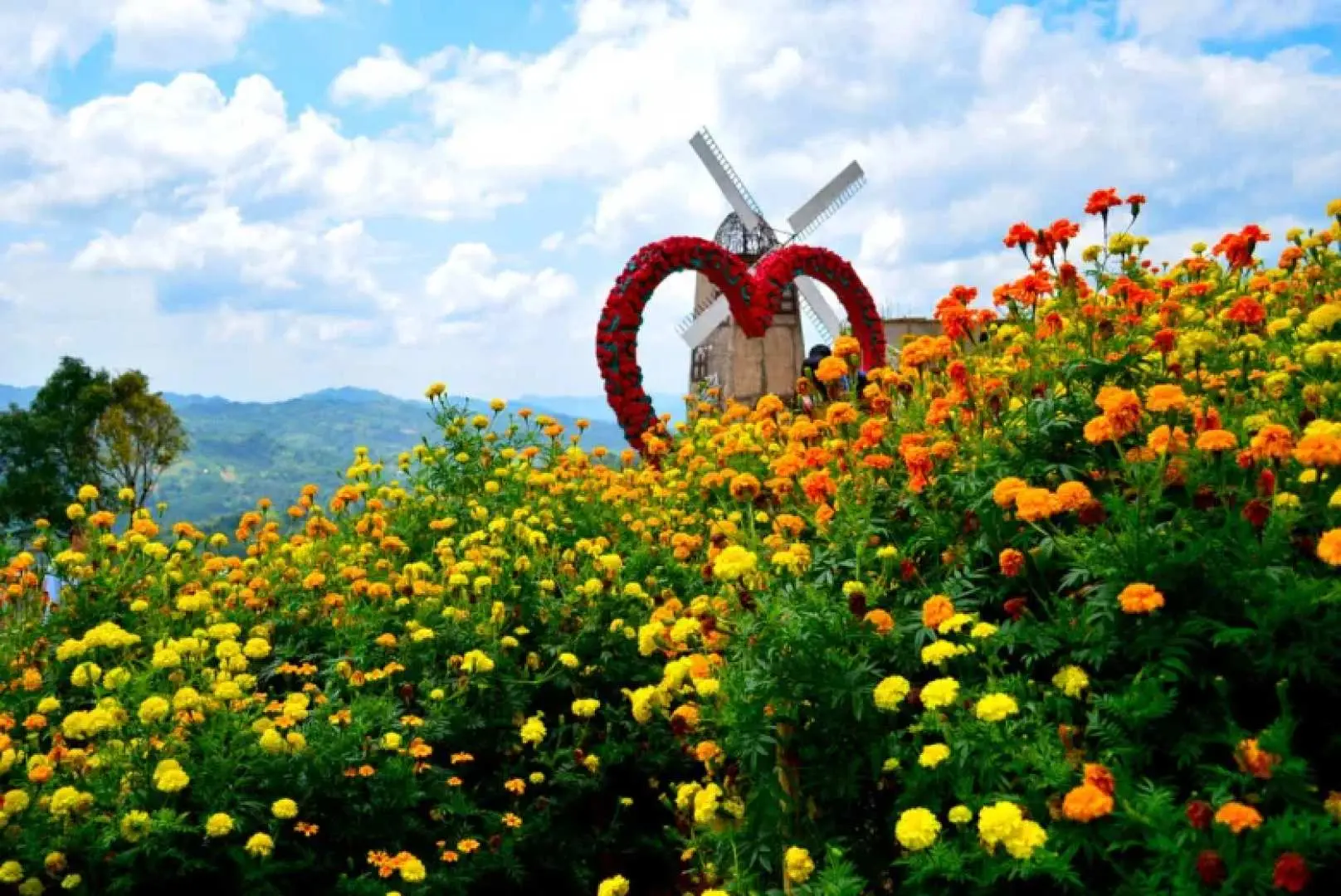
Sirao Garden

Temple of Leah


Purchase Notice
- Duration: 9–10 hours
- No age requirements
- Some destinations may be closed and may not be accessible, an alternative itinerary will take place in that case
Reminders
Please note that LINE and KakaoTalk may not work reliably in the Philippines. For smoother and more efficient communication, we recommend downloading and using WhatsApp or Viber during your trip.
FAQ
The best time to visit Cebu is generally during the dry season, from December to May. During this period, the weather is drier and cooler, making it ideal for water activities and outdoor sightseeing. June to November is the rainy season, which may bring typhoons, but the rain usually comes and goes quickly, without significantly impacting your day's plans. If you wish to avoid crowds and enjoy more comfortable weather, January to February is a good choice.
Mactan Island, known as the 'Historical Resort City,' boasts rich cultural attractions. You can visit the Mactan Shrine, which commemorates the historical battle between Lapu-Lapu and Magellan, a significant historical landmark in the Philippines. Nearby, you'll find the Lapu-Lapu Monument and museums showcasing local history and culture. Additionally, Mactan Island is renowned for its guitar-making craftsmanship, making it a great place to experience local traditional culture.
Cebu City features several important historical and cultural landmarks that highlight its deep heritage as the 'Queen City of the South.' Must-visit sites include Fort San Pedro, the oldest Spanish fort in the Philippines, offering a glimpse into colonial history. Magellan's Cross is a symbol of Catholicism in the Philippines, located next to the Basilica Minore del Santo Niño, which houses the oldest Santo Niño statue in the country. These sites collectively narrate Cebu's history and faith.
Cebu City is hailed as the 'Queen City of the South' due to its pivotal role in Philippine history and its ongoing influence and development. It was the initial landing point for the Spanish in the Philippines, possessing a rich legacy of colonial history. As the economic, trade, education, and cultural hub of the Central Visayas region, Cebu City is not only the oldest city in the Philippines but also a vibrant port city, blending tradition with modern charm.
When visiting Cebu, dining expenses can vary widely, allowing you to choose according to your budget. Street food stalls and local eateries offer affordable options where you can savor authentic Filipino dishes like Lechon (roast pig) and seafood. Mid-range to high-end restaurants provide a more refined dining experience. It's advisable to plan a flexible budget to enjoy diverse culinary delights, from roadside snacks to specialty restaurants.
The Temple of Leah and Sirao Garden in Cebu are two distinctive attractions. The Temple of Leah is known for its grand Roman-style architecture, often called the 'Taj Mahal of Cebu,' a solemn structure built in remembrance of love. Sirao Garden, on the other hand, is a colorful hillside garden planted with abundant cockscombs, dubbed the 'Little Amsterdam.' Visitors can enjoy sea of flowers and panoramic views of the valley, making it an ideal spot for photos.
When visiting the Mactan Shrine, you can delve into a pivotal event in Philippine history: the Battle of Mactan. The shrine commemorates the heroic feat of Lapu-Lapu, who defeated Magellan and his Spanish forces in 1521. This battle symbolizes the early spirit of resistance and resilience of the Filipino people against colonization. It is not only a historical site but also a source of pride for local residents, telling the story of Philippine independence.
Cebu City, as a historic center, has a culture deeply influenced by Spanish colonization, reflected in its numerous churches and forts. It's a hub for commerce and education, with a more bustling, urbanized cultural atmosphere. Lapu-Lapu City (Mactan Island), known for its island charm and positioning as a 'Historical Resort City,' emphasizes its history as a site of resistance (chieftain Lapu-Lapu) and integrates this with its connection to the sea and the tourism industry, showcasing a more relaxed island culture rich with historical narratives.
Get Help


