


La Pedrera Ticket | Barcelona
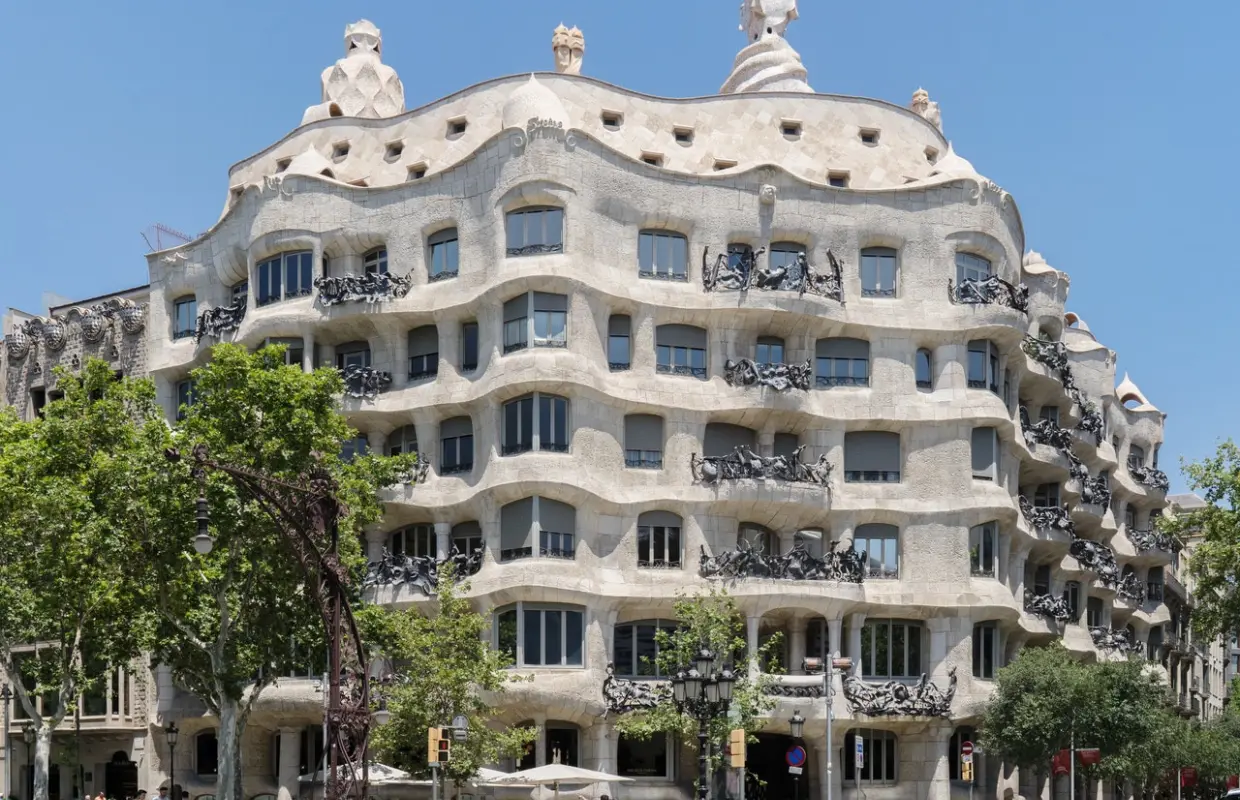
- Visit Casa Milà, also known as La Pedrera, Antoni Gaudí’s last civic masterpiece and a landmark of world architecture.
- Explore the Espai Gaudí in the attic, showcasing the architect’s works through models, audiovisuals, and objects.
- Step into the Pedrera Apartment, a recreation of early 20th-century bourgeois life in Barcelona.
- Stroll through courtyards, the roof terrace, and exhibition spaces to experience Gaudí’s vision up close.
- Discover Barcelona’s only Gaudí interpretation center, with over 4,500 square meters open to visitors.
Attraction Tickets
| Exhibit type | Art exhibits |
| Attraction type | History & culture, Traditional house experience |
Product Info
- What to Expect -
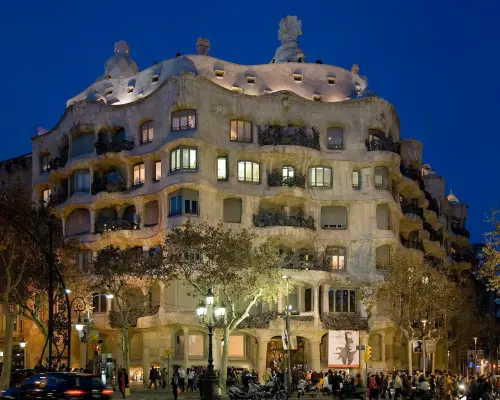
Step inside Casa Milà, popularly known as La Pedrera, one of Antoni Gaudí’s most iconic creations and a true landmark of world architecture. As Gaudí’s last civic work, this UNESCO World Heritage Site offers a unique opportunity to explore the genius of the Catalan architect and his revolutionary vision.
Your visit includes access to the building’s most fascinating spaces: the Espai Gaudí attic, the Pedrera Apartment, the Provença and Passeig de Gràcia courtyards, and the famous roof terrace with its striking sculptural chimneys.
At the Espai Gaudí, explore seven thematic areas dedicated to the architect’s work, with models, audiovisuals, and objects that showcase his creative process. One section is devoted entirely to La Pedrera, highlighting its unique design and construction. Step into the Pedrera Apartment to experience the recreated home of a bourgeois Barcelona family from the early 20th century, and, when available, visit the Temporary Exhibition Room housed in the Milà family’s former residence.
As the only Gaudí interpretation center in Barcelona, La Pedrera is an essential stop for anyone wishing to understand the architect’s life, inspiration, and legacy. Covering more than 4,500 square meters across five floors, this self-guided tour lets you discover the building at your own pace.
From its imaginative interiors to its rooftop views, Casa Milà is more than a building — it’s an immersive journey into Gaudí’s artistic universe.


Purchase Notice
- Free audio guide in Catalan, Spanish, English, French, German, Portuguese, Italian, Russian, Chinese, Japanese and Korean
- It is strictly forbidden to smoke, eat or bring animals into the building (except guide dogs)
- Flash photography, tripods, backpacks, and mobile phones are prohibited
- For security reasons, the roof terrace will remain closed in case of rain
- You can get there by bus 7, 16, 17, 22, 24 and V17 / Metro lines 3 and 5, estacióa
Includes/Excludes
Reminders
For security reasons, the roof terrace will remain closed in case of rain
It is strictly forbidden to smoke, eat or bring animals into the building (except guide dogs)
Flash photography, tripods, backpacks, and mobile phones are prohibited
How to Redeem Your Voucher
How to Use Your Voucher
- Please present the e-voucher on-site
Experience Location
Location Name: Casa Milà – La Pedrera, Passeig de Gràcia, 92
Address: Casa Milà – La Pedrera, Passeig de Gràcia, 92Cancellation Policy
- Once the order has been completed, it cannot be canceled, modified, or refunded
- Due to time zone differences, the confirmed cancellation date is based on the supplier’s local time. Please allow 2–5 business days to process your cancellation request, after which the cancellation fee will be charged according to the product’s cancellation policy. Once the cancellation is confirmed, you will receive your refund within 14 working days.
FAQ
Yes, it is highly recommended to purchase tickets for La Pedrera (Casa Milà) in advance, especially during peak season or holidays. Pre-booking ensures your entry on a specific date and time, helping you avoid long queues and potential disappointment due to sold-out slots. You can easily book your tickets through platforms like KKday, which offers convenient online purchasing, allowing you to secure your visit with ease and often providing clear information on what's included in your ticket.
La Pedrera (Casa Milà) offers a truly unique experience as Antoni Gaudí's last civic masterpiece and a UNESCO World Heritage Site. Visitors can explore a rich array of architectural innovations, including the undulating stone façade, the surreal rooftop with its warrior-like chimneys, and the Espai Gaudí in the attic that delves into his creative process. The recreated Pedrera Apartment provides a glimpse into early 20th-century bourgeois life, making it a comprehensive journey through art, history, and design.
To fully explore La Pedrera (Casa Milà) and appreciate its intricate details, including the Espai Gaudí, the Pedrera Apartment, the courtyards, and especially the roof terrace, visitors should plan to allocate approximately 1.5 to 2 hours. This allows ample time for leisurely viewing, photography, and absorbing the unique atmosphere of this architectural marvel without feeling rushed.
While both La Pedrera (Casa Milà) and Casa Batlló are iconic Gaudí works, they offer distinct experiences. La Pedrera, known for its rugged stone façade and organic forms, focuses more on architectural innovation and a comprehensive interpretation center about Gaudí’s work (Espai Gaudí). Casa Batlló, with its vibrant, skeletal-like exterior and fairytale-inspired interior, emphasizes visual storytelling and sensory experiences. La Pedrera provides a deeper dive into Gaudí's engineering and design principles, while Casa Batlló offers a more whimsical and decorative journey.
Inside La Pedrera (Casa Milà), visitors can delve into the Espai Gaudí located in the attic, which serves as Barcelona's only Gaudí interpretation center. This space features models, audiovisuals, and objects that vividly explain Gaudí’s architectural genius. Additionally, the Pedrera Apartment offers a meticulously recreated bourgeois home from the early 20th century, showcasing original furnishings and design elements that transport visitors back in time to early 20th-century Barcelona.
The roof terrace of La Pedrera (Casa Milà) is a major highlight, offering a fascinating architectural landscape and panoramic views of Barcelona. Visitors can stroll among the peculiar, sculpted chimney pots, which resemble warriors, and admire the city's skyline, including landmarks like the Sagrada Familia and Tibidabo. It's an excellent spot for photography and experiencing Gaudí's organic forms against the backdrop of the city.
For a smooth visit to La Pedrera (Casa Milà), consider wearing comfortable shoes as there is a fair amount of walking, especially on the roof terrace. It's also advisable to check the weather forecast, as the roof terrace is an outdoor area and weather conditions can affect the experience. While professional photography is generally allowed, certain restrictions might apply to tripods or flash photography. Audio guides are often available and highly recommended to enhance your understanding of Gaudí’s vision and the building's history.
To potentially avoid the largest crowds at La Pedrera (Casa Milà), consider visiting either right at opening time in the morning or later in the afternoon, closer to closing time. Weekday visits are generally less crowded than weekends. Visiting during the shoulder seasons (spring or fall) can also offer a more relaxed experience compared to the peak summer months, allowing for a more intimate appreciation of the architecture.
Get Help


