


Albany Whale Story Tour | Western Australia
Understand Albany's whaling history and its connection with Australia's national story.
- Gain a deeper understanding of Australia's whaling history
- Learn about whale hunting practices in the past and current whale conservation practices
- Meet friendly native animals in the Animal Wildlife Park
Product Info
— What You Can Expect —
Gaze across Princess Royal Harbour with a view of King George Sound and catch sight of the expansive Southern Ocean in the distance. Journey along the Torndirrup Peninsula and imagine for a moment the spume of spray and playful leap of a whale as it makes its way along the amazing South Coast on a long journey north. Today, the whale travels safely, uninterrupted on its path.
See Albany’s role in Australia’s whaling story come to life on this tour at Albany’s Historic Whaling Station at Discovery Bay. Meet friendly native animals in the Animal Wildlife Park. Wander the pathways and boardwalks to view native plants and marvel at the enhanced wetland environment in the Regional Wildflower Garden. Climb aboard the famous whale chaser and marvel at the enormous whale skeletons on display.
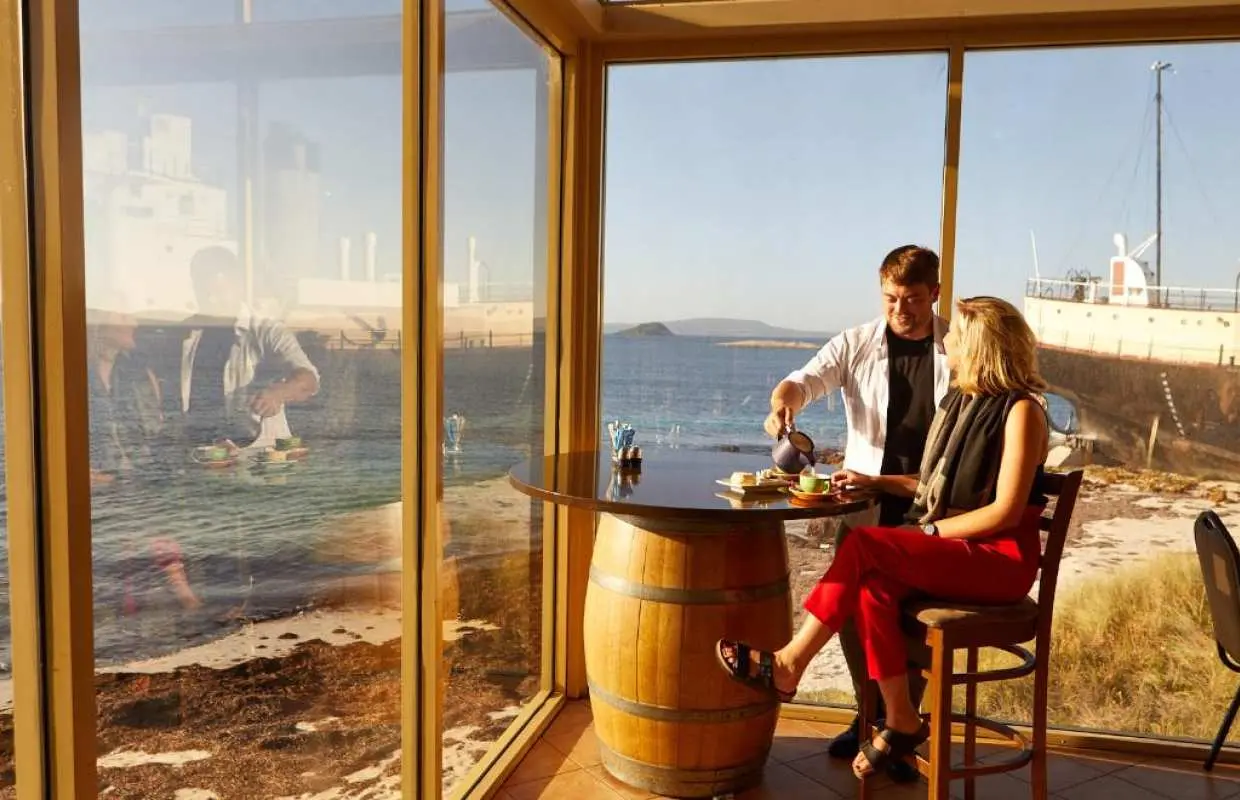
End your day by relaxing with refreshments, as you gaze upon an exceptional view of the ocean. Reflect on the significance of whale hunting in the past, and recognize the value of whale watching today.
Don't miss out on this informative Albany Whale Story Tour and book your tickets with KKday today!
Experience the wonders of Albany like never before by visiting the Historic Whaling Station!


Embark on a tour that reflects on the significance of whale hunting in the past and recognize the value of whale watching today


Purchase Notice
- A minimum of 2 travelers is required for this tour to take place
- Participants should have a basic level of fitness to join this tour
Cancellation Policy
- Cancellations 3 day(s) (inclusive) before the selected date are allowed. Unused orders can be canceled for free
- Cancellation is not allowed between 0–2 days from the selected date. Orders cannot be canceled or modified, and refunds will not be granted.
- Due to time zone differences, the confirmed cancellation date is based on the supplier’s local time. Please allow 2–5 business days to process your cancellation request, after which the cancellation fee will be charged according to the product’s cancellation policy. Once the cancellation is confirmed, you will receive your refund within 14 working days.
FAQ
The Albany Historic Whaling Station's narrative focuses on the deeply intertwined history of whaling in Western Australia, particularly the operations of Cheynes Beach Whaling Company. It explores the lives of whalers, the economic impact on Albany, and the evolution from active whaling to conservation, providing a comprehensive look at this significant chapter in Australia's maritime and industrial past.
The Albany Historic Whaling Station, operating as Cheynes Beach Whaling Company, officially ceased its commercial whaling operations in November 1978. This closure marked the end of Australia's whaling industry, leading to the station's transformation into a museum dedicated to preserving and sharing this history.
During its operational era, the Albany whaling station employed traditional hunting methods using catcher boats to locate and harpoon whales at sea. Once caught, whales were towed back to the station for processing. The entire whale was utilized, with blubber rendered for oil, meat processed, and bones and other parts used for various products, demonstrating a comprehensive industrial operation.
The Albany Whale Story Tour emphasizes the shift from whaling to conservation by showcasing current research and protective measures for whales. Visitors learn about the recovery of whale populations, the importance of marine ecosystems, and the global efforts to ensure the long-term survival of these magnificent creatures, fostering an understanding of their vital role in our oceans.
For Aboriginal communities in the Albany region, whales hold profound cultural and spiritual significance. They are often seen as totems, ancestral beings, and integral parts of creation stories and Dreaming narratives. Whales represent connections to country, traditional knowledge, and the continued cultural practices of the local Indigenous peoples, symbolizing wisdom and protection.
The Albany Historic Whaling Station typically welcomes visitors daily from 9:00 AM to 5:00 PM. It is advisable to verify the specific operating hours on the official website before planning your visit, as they may occasionally vary due to seasonal changes or special events, ensuring you have the most accurate information.
At the Animal Wildlife Park, a dedicated section of the Albany Whale Story experience, visitors can encounter a variety of friendly native Australian animals. These often include kangaroos, wallabies, quokkas, and various bird species. It provides an opportunity to observe Australia's unique wildlife up close in a natural setting.
The Albany Whale Story Tour illustrates this connection by positioning whaling as a significant component of Australia's industrial development and settlement history. It shows how the industry attracted diverse populations, contributed to the nation's economy, and impacted environmental consciousness, reflecting broader themes of resource utilization, economic growth, and evolving societal values within Australia's national story.
Get Help


