


Coron Island Hopping Day Tour B: Barracuda Lake, Twin Lagoon and Coral Garden | Philippines
- Discover the natural wonders that make Coron a tourist haven on this full day tour! Hop on a boat and set out on a journey that lets you bask in the beauty of Barracuda Lake and Twin Lagoon, as well as Smith White Sand Beach and Coral Garden!
Package Options
Water Activities
| Water activity type | Snorkeling |
Product Info
-What You Can Expect-
Journey to one of the Philippines’ most popular tourist destinations, and experience a holiday like no other. Journey on of the best island hopping tours of Coron and marvel at the picture-postcard scenery the island boasts as you sail from one location to another.
Gaze in wonder at the pristine waters and the colorful corals that are visible underneath. Then, follow an experienced guide to Coral Garden and meet sea turtles, as well as a wide variety of tropical fish below.
Coron Island Tour B:
- Barracuda Lake
- Twin Lagoon
- Millennial Cottage
- Las Isla de Coral
- Quinn reef or Ditawolong seaclam
-Important Info-
Meeting time: 8:00 am–9:00 am
Meeting point: Your hotel in downtown Coron
Duration: ~9 hrs
Return info: Return to your Coron accommodation
-Additional Info-
Please provide the following information in the “Notes” section when booking:
- Hotel name
- Address
- Contact information (i.e. messaging app ID or phone number).
Please ensure that your mobile phone number is correct and kindly arrive promptly at designated meeting points
Gaze in awe at the clear, aquamarine waters of Barracuda Lake and the Twin Lagoon

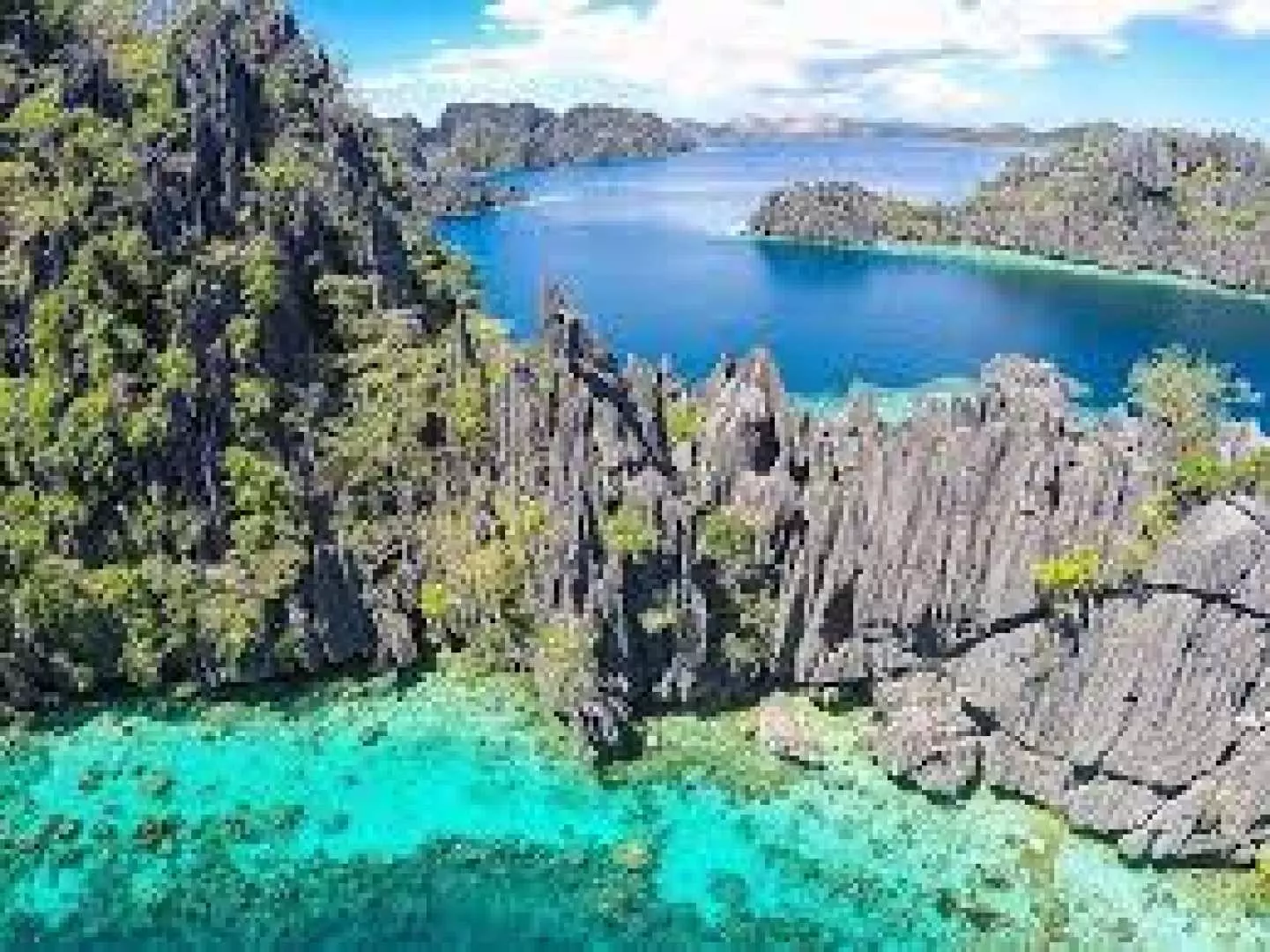
Get your snorkeling gear on as you dive into the waters of Coral Garden


Important Info
Includes/Excludes
Reminders
Please bring the following: bathing suit, extra set of clothes, insect repellent, and sunblock
How to Redeem Your Voucher
How to Use Your Voucher
- Please present the e-voucher on-site
Experience Location
Location Name: Coron Island
Address: Coron, Palawan, PhilippinesCancellation Policy
- For cancellations made at least 3 day(s) prior to selected date, a cancellation fee of 50% will apply
- Cancellation is not allowed between 0–2 days from the selected date. Orders cannot be canceled or modified, and refunds will not be granted.
- Due to time zone differences, the confirmed cancellation date is based on the supplier’s local time. Please allow 2–5 business days to process your cancellation request, after which the cancellation fee will be charged according to the product’s cancellation policy. Once the cancellation is confirmed, you will receive your refund within 14 working days.
FAQ
Barracuda Lake is renowned for its distinct thermocline, a phenomenon where the water temperature dramatically changes as you descend. Divers experience alternating layers of warm and cool water, creating a surreal sensation. It's also famous for its rugged, otherworldly underwater rock formations, often compared to lunar landscapes, offering a truly unique diving and snorkeling experience.
While the lake is named Barracuda Lake, sightings of actual barracudas are rare. The name comes from a large barracuda skeleton reportedly found there years ago. Instead, visitors can observe unique aquatic life adapted to the lake's brackish water, including small fish and diverse freshwater flora, making for an interesting ecosystem study rather than a typical coral reef encounter.
Safety is paramount when exploring Barracuda Lake. Due to its enclosed nature and steep limestone cliffs, swimmers should be comfortable in deep water. Free-divers must be experienced and aware of their limits due to the thermocline and varying water temperatures. Always wear appropriate safety gear, like a life vest for snorkeling, and follow the guidance of local tour operators, especially regarding entry and exit points.
Twin Lagoon gets its name from being two distinct lagoons separated by a towering limestone cliff. The first lagoon is easily accessible by boat, while the second, 'hidden' lagoon requires swimming through a small opening or climbing a ladder over the rocks during low tide. Its unique feature is the mix of saltwater and freshwater, creating interesting temperature variations as you swim between the two sections.
Twin Lagoon features a fascinating blend of saltwater from the sea and freshwater from underground springs, making it a brackish environment. This unique characteristic results in noticeable thermoclines, where swimmers can feel distinct layers of warm and cool water at different depths. This natural phenomenon enhances the swimming experience, adding an intriguing tactile dimension to exploring the lagoon's beautiful waters.
Yes, there is an environmental fee required to visit Twin Lagoon, as it is part of a protected area. These fees contribute to the conservation and maintenance of the site. Fees are typically collected by local authorities at the entrance of the lagoon or managed by tour operators as part of your island-hopping package. Booking tours through KKday ensures a seamless experience, as these fees are often included or clearly communicated beforehand, offering convenience and transparency for your trip.
Accessing the second lagoon within Twin Lagoon depends on the tide. During low tide, you can easily swim through a narrow gap under the limestone rocks that connect the two lagoons. At high tide, the passage may be submerged, requiring visitors to use a wooden ladder positioned over the rocks to cross into the inner lagoon. Local guides can provide real-time information on the best method of access during your visit.
A Coron Island Hopping Tour B typically includes additional stops that showcase the area's diverse beauty. These often feature Smith White Sand Beach, perfect for relaxation and lunch, and Coral Garden, known for its vibrant marine life and excellent snorkeling opportunities. These extra destinations complement the unique experiences of Barracuda Lake and Twin Lagoon, offering a comprehensive exploration of Coron's natural wonders.
Get Help


