
Death Valley Sunrise & Stargazing Half-Day Tour from Las Vegas
- Take advantage of the hassle-free transfer service from your hotel accommodation
- Gain valuable knowledge of the area from the professional guide
- Explore the iconic Death Valley where Star Wars Episode IV was shot
- Finish the tour by early afternoon and get to explore the rest of the city of Las Vegas
Package Options


Sightseeing Tours
| Tour Type | Shared tour |
| Transportation method | Hotel transfer |
| Tour types | Guided tour |
| Meal arrangement | Arrange yourself |
| Additional service & facility | Transfer included |
| Sightseeing type | Natural sights, Star gazing |
| Transport | Charter car |
Product Info
一 What You Can Expect 一
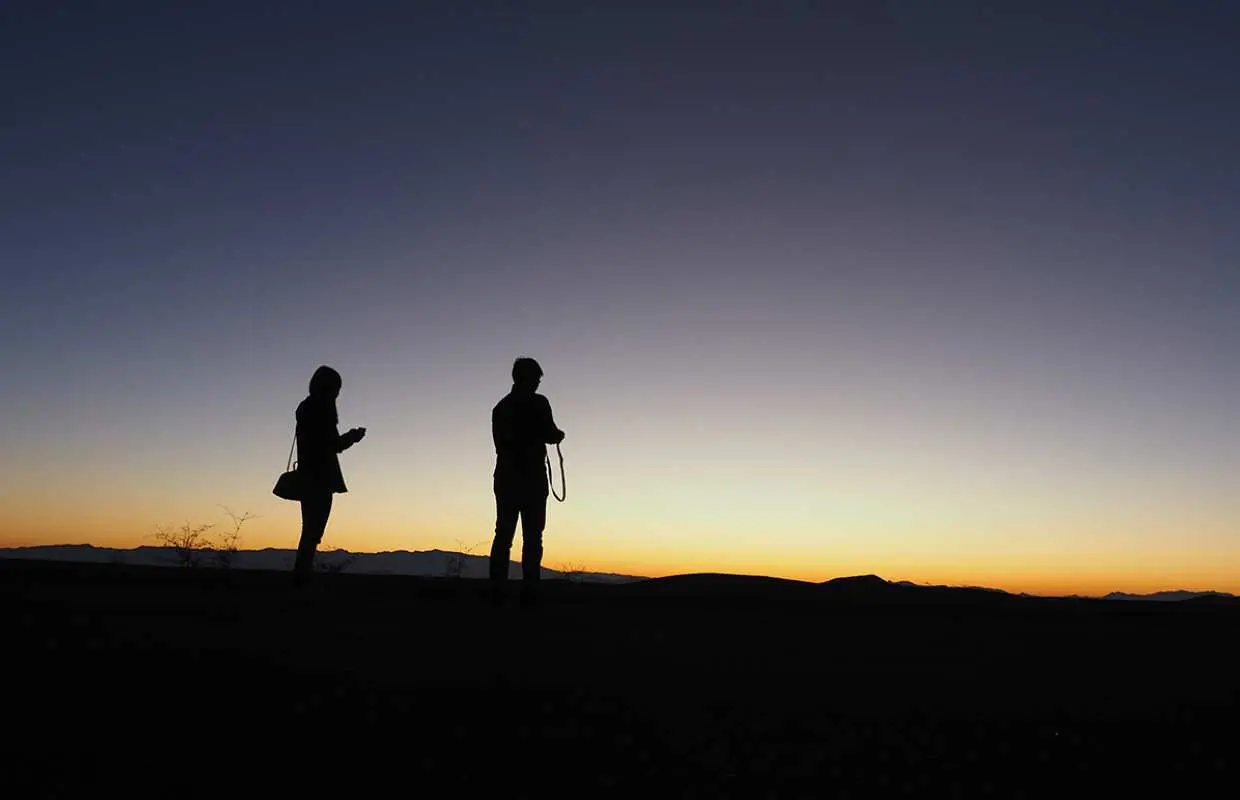
Witness the majestic sky views of Death Valley with this half-day stargazing and sunrise tour!
Start the experience at dawn and admire the night sky riddled with stars. Then, head to Dandes Viewpoint for a wonderful view of the sunrise. Be led by an informative tour guide who will tell you cool facts about the area. Be conveniently brought back to your accommodation with the hassle-free service, and spend the rest of the day touring around the awesome city of Las Vegas.
Don't miss out on this breathtaking Las Vegas experience and book your tickets with KKday now!
— Important Info —
- Meeting time and point: The pickup time will be emailed to you after your reservation is confirmed. The pickup time will depend on the time of sunrise but will be approximately between 2:15 am and 4:00 am
- You can choose a pickup location from one of the following areas:
1. Treasure Island
2. Bellagio Las Vegas
3. Luxor Hotel & Casino - Returning time and point: Around 11:30 am to 1:00 pm at the original pickup point
- Please choose the package with your chosen pickup point when booking and arrive on time on the day of departure
- The actual itinerary is dependent on weather/transportation conditions
- The actual return time may be extended due to the traffic conditions on the day. It is recommended that passengers do not arrange other itineraries or book flights on the same day to avoid delays
— Itinerary Info —
- 2:15 am–4:00 am:
- Get picked up at your chosen pickup point
- Take a short break at Pahrump, then enjoy the sky full of stars in the desert of Death Valley - 5:50 am–11:30 am:
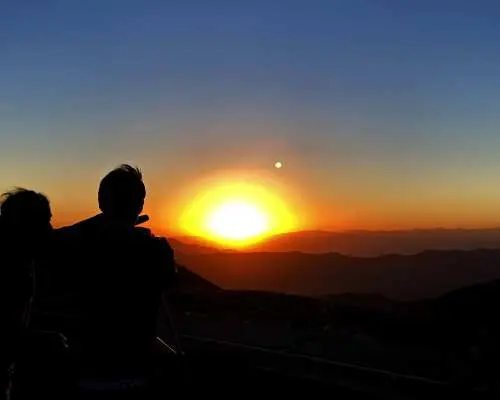
- Watch the sunrise from the observatory at Dandes Viewpoint, at an altitude of about 1,669 m (Location may vary due to weather conditions)
- Then, head to Zabriskie Point and enjoy breakfast at Furnace Creek Visitor Center
- Stop by Badwater Basin, Artists Palette, and Golden Canyon - 11:30 am–1:00 pm: Return to your original pickup point
- The actual depart time will depend on the time of sunrise
Watch the sunrise at Death Valley National Park


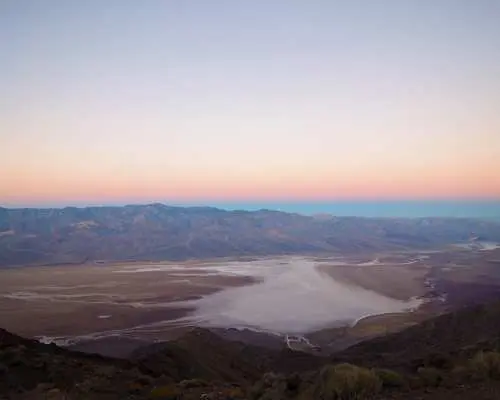
Admire the landscape views at Zabriskie Point


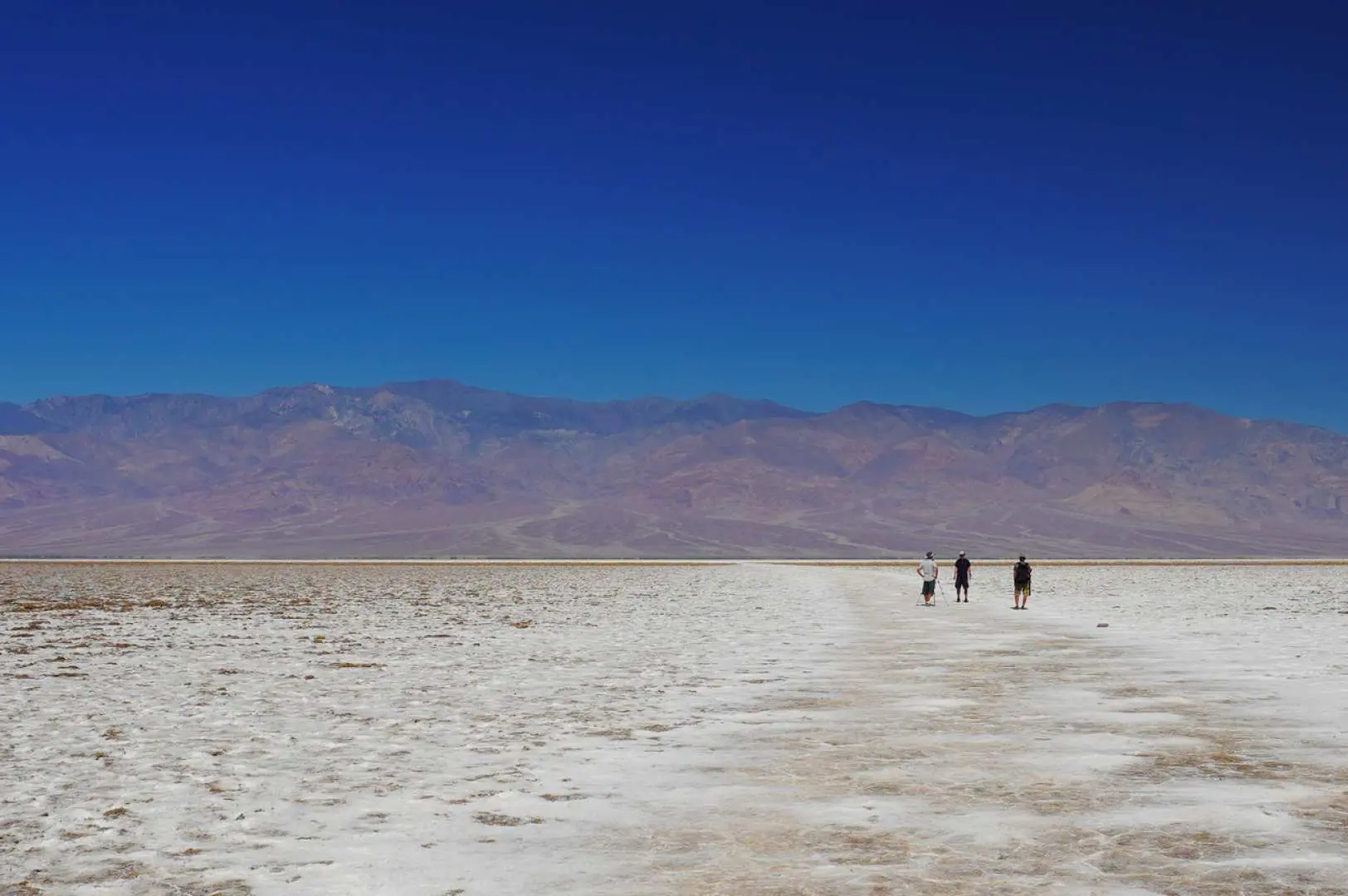
Explore the Badwater Basin

Marvel at the views of Artists Palette


Purchase Notice
- This itinerary provides two packages conducted in English and Japanese. Your selection of package must match the "Guide Language Preference" upon checkout. If these two selections are not aligned, the tour you join will be based on your selection of the package. Please note that no refund nor compensation will provide to you should you fail to select your preferred package
- Children over 2 years old can participate in the tour
- Pickup time and details of the meeting place will be emailed to you after your booking is confirmed but will be approximately between 2:15 am and 4:00 am
- No refunds will be provided if you will not be able to see the starry sky or the sunrise due to the weather
- Please adhere to the COVID-19 prevention measures required by the local government. Travelers are also required to wear a mask at all times
- Due to the COVID-19 pandemic, some attractions in the itinerary may be temporarily closed. The tour guide will choose alternative attractions for this situation
- Please provide a reachable contact number when booking
- Please arrive on time at the designated meeting point. Refunds will not be granted to late arrivals
- Refunds will not be granted to those who leave the tour halfway due to personal reasons
- The actual itinerary is dependent on weather and transportation conditions
Reminders
A minimum of 3 traveler(s) are required for the tour to depart. If the number of participants does not reach the minimum requirement, the tour will be canceled. An email regarding tour cancellation will be sent 1 day(s) before the departure date
In the event of inclement weather such as typhoons or snowstorms, a decision on whether to cancel the tour will be made 1 day(s) before departure (local time 22:00). Notifications will then be sent via email
Travelers with the following conditions or other health issues that could be worsened by excessive stimulation should not participate in this activity: High blood pressure, Pregnant women, Heart disease
FAQ
Death Valley National Park boasts diverse landscapes and historical sites. Visitors can explore Badwater Basin, the lowest point in North America, with its vast salt flats. Zabriskie Point offers stunning badland vistas, while Mesquite Flat Sand Dunes provide unique desert scenery. Historically, the park holds significance for Native American cultures and 19th-century mining operations. Iconic spots like Artists Palette showcase vibrant geological formations, and portions of Star Wars Episode IV were filmed in areas like Desolation Canyon.
The most comfortable time to visit Death Valley National Park is typically from late fall to early spring, specifically October through April. During these months, temperatures are significantly milder, making outdoor activities like hiking and exploration much more enjoyable. Summers, from May to September, experience extreme heat, often exceeding 100°F (38°C), making daytime visits challenging and potentially hazardous.
Death Valley National Park is renowned as an International Dark Sky Park, offering exceptional stargazing opportunities. Its remote location ensures minimal light pollution, allowing for incredibly clear views of the Milky Way and countless stars. The dry desert air further enhances visibility. Popular spots for stargazing include Mesquite Flat Sand Dunes and Badwater Basin, where the vast, unobstructed horizons create an immersive celestial experience.
For an unparalleled sunrise experience in Death Valley National Park, Dantes Viewpoint is highly recommended. Perched at over 5,000 feet, it offers a panoramic vista of Badwater Basin and the surrounding mountain ranges. Watching the first rays of sun illuminate the vast valley below, casting vibrant colors across the landscape, is breathtaking. Zabriskie Point also provides a stunning, though different, sunrise perspective over the badlands.
Yes, several locations within Death Valley National Park served as iconic filming sites for Star Wars Episode IV: A New Hope, primarily doubling as the desert planet Tatooine. Key areas include Artists Drive and Desolation Canyon, which depicted the Jawa's sandcrawler tracks. Mesquite Flat Sand Dunes provided the backdrop for R2-D2's journey, while Golden Canyon and other badland areas were used for various landscape shots, allowing fans to walk in the footsteps of their favorite characters.
For visiting Death Valley National Park from Las Vegas, a popular option is joining an organized tour. These tours typically provide hassle-free round-trip transportation from hotel accommodations and expert guides. Alternatively, self-driving with a rental car offers flexibility, though it requires careful planning for routes, fuel, and vehicle readiness, especially concerning the extreme desert conditions. Public transportation or shuttles are not readily available for direct park access from Las Vegas.
Death Valley National Park presents several unique natural phenomena. The famous 'sailing stones' of Racetrack Playa, mysterious rocks that move across the desert floor, leaving trails behind them, are a significant draw. Visitors can also witness incredible geological formations like the multicolored hills of Artists Palette, vast salt pans at Badwater Basin, and massive sand dunes. The park also experiences extreme temperatures, making it one of the hottest places on Earth, and occasionally bursts into vibrant wildflower blooms after rare winter rains.
To thoroughly explore the major attractions within Death Valley National Park, a full day or even two days is often recommended due to the vast distances between sites. However, many visitors opt for half-day tours that focus on key highlights accessible from primary entry points. Such tours typically cover iconic spots like Badwater Basin, Zabriskie Point, and Dantes View, offering a comprehensive overview of the park's unique landscapes within a more condensed timeframe.
Get Help


