


Iloilo City Mysterious Private Tour: Plaza Libertad, Museum of Philippine Economic History, Provincial Capitol, National Museum Grounds & More | Philippines
- See Iloilo City in a darker light in this exciting mysterious private tour. Visit iconic places and explore the history of Iloilo through its old buildings and museums. Travel safely with a friendly and professional tour guide. Make the most of convenient pick-up and drop-off services within Iloilo City for a seamless journey in the Philippines.
Sightseeing Tours
| Tour Type | Private tour |
| Sightseeing type | Museum tour, City walking tour, Historic site tour |
Product Info
Purchase Notice
- Pick-Up Location: within Iloilo City
- Duration: 4 to 5 Hours
- Meeting Time: 5:00 pm
- Please indicate the hotel name and address for pick-up in the remarks section when booking
- Travelers must be at least 7 years old to participate in the tour
FAQ
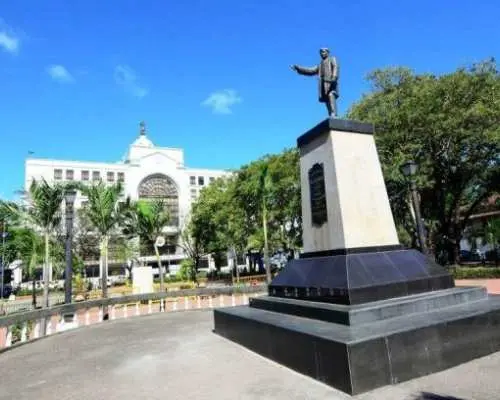
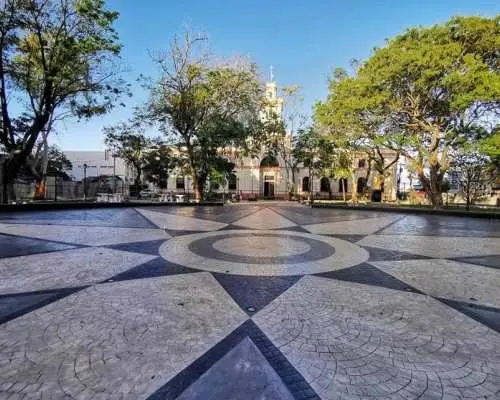
Plaza Libertad holds significant historical importance as the site where the Spanish colonial government in Iloilo officially surrendered to the Filipino revolutionary forces in 1898. This pivotal moment marked a crucial step towards Philippine independence. The plaza also commemorates General Martin Delgado, a prominent leader of the Visayan revolution, making it a powerful symbol of the city's enduring heritage and struggle for freedom.
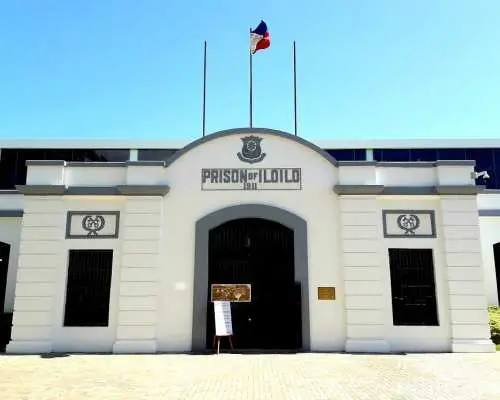
At the Museum of Philippine Economic History, visitors can explore a diverse range of exhibits housed within the beautifully preserved Elizalde & Co. building. The museum focuses on the nation's economic past, with a particular emphasis on Iloilo's thriving sugar industry. You can discover historical artifacts, archival documents, and interactive displays detailing colonial-era trade, agricultural practices, and various industries that shaped the Philippines' economy.
The Iloilo Provincial Capitol is a magnificent example of neoclassical architecture, characterized by its grand columns, symmetrical design, and imposing facade. Completed in 1909, its architectural style reflects the American colonial period's influence, symbolizing the era's ideals of governance and public service. The building's majestic presence and well-preserved structure stand as a testament to Iloilo’s rich political and cultural history.
The National Museum of the Philippines Western Visayas Regional Museum, located on the Iloilo Provincial Capitol Grounds, houses extensive cultural collections. Visitors can explore artifacts spanning pre-colonial archaeology, natural history, ethnography, and fine arts. The displays offer deep insights into the unique cultural identity, biodiversity, and artistic traditions of the Western Visayas region, showcasing indigenous crafts, geological specimens, and works by local artists.
An Iloilo City historical tour often reveals captivating local insights and 'mysterious' discoveries that go beyond conventional narratives. Exploring landmarks like ancestral houses, old churches, and lesser-known spots, guides share intriguing anecdotes and folklore. These often touch upon the hidden histories of prominent families, local legends, and the city's significant, sometimes overlooked, contributions to various socio-political movements, offering a deeper understanding of its vibrant past.
Tourists in Iloilo City have several convenient transportation options for visiting attractions like Plaza Libertad and the Iloilo Provincial Capitol. Common modes include jeepneys, taxis, and ride-hailing apps such as Grab, which are widely available. For shorter distances or within specific districts, tricycles are also used. Additionally, many central areas are quite walkable, allowing visitors to leisurely explore heritage architecture.
A private tour significantly enhances the efficiency of navigating Iloilo City's historical sites by providing convenient door-to-door pick-up and drop-off services from your accommodation, eliminating any transportation concerns. You benefit from a professional and friendly tour guide who manages all logistics, offers insightful commentary on each location, and ensures a seamless itinerary. This allows you to fully immerse yourself in exploring and appreciating the city's rich history without hassle.
The optimal time to visit Iloilo City for historical tours and cultural exploration is during the dry season, which generally runs from November to May. The months between December and February typically offer cooler and more comfortable weather conditions, ideal for walking and outdoor sightseeing. It is advisable to avoid the peak summer months of April and May, as well as the rainy season from June to October, for a more pleasant experience.
Get Help


