


Product Info
What You Can Expect
1 Day
- 06:45Start your day with a convenient pickup from your hotel
- 08:00Enjoy morning tea at Mossman Gorge Centre and stroll along the rainforest with your guide
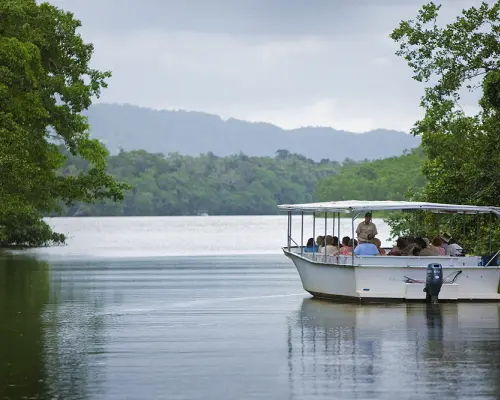
- 10:00Hop aboard a small boat for the Daintree River Cruise and capture the wildlife species in the river
- 12:00Have a pleasant barbecue lunch in the rainforest
- 13:00Take a walk along Cape Tribulation beach
- 14:00Snack on tropical fruit-flavored ice cream at Daintree Ice Cream Company
- 15:00Enjoy stunning views of the Daintree coast at Alexandra Lookout
- 16:00Transfer back to your hotel


Important Info
Includes/Excludes
How to Redeem Your Voucher
How to Use Your Voucher
- Please present the e-voucher on-site
Validity Period
- The voucher must be used on the selected date and within operating hours; Invalid after expiration
Pickup Point
Location Name: Big 4 Ingenia Holidays Cairns Coconut
Address: 23/51 Anderson Rd, Woree, Bus Zone On Anderson Rd Near EntranceExperience Location
Location Name: Mossman Gorge Centre
Address: 212r Mossman Gorge Rd, Mossman Gorge QLD 4873, AustraliaCancellation Policy
- Cancellations 2 day(s) (inclusive) before the selected date are allowed. Unused orders can be canceled for free
- Cancellation is not allowed between 0–1 days from the selected date. Orders cannot be canceled or modified, and refunds will not be granted.
- Due to time zone differences, the confirmed cancellation date is based on the supplier’s local time. Please allow 2–5 business days to process your cancellation request, after which the cancellation fee will be charged according to the product’s cancellation policy. Once the cancellation is confirmed, you will receive your refund within 14 working days.
FAQ
Swimming at Cape Tribulation is restricted primarily due to the presence of dangerous marine stingers, such as Box Jellyfish and Irukandji jellyfish, especially during the wet season (October to May). Additionally, saltwater crocodiles inhabit the area, posing a significant risk. These natural dangers make it unsafe to swim in unregulated waters. Visitors are advised to observe all warning signs and only swim in designated, netted areas or supervised tour locations, if available.
Cape Tribulation was named by Lieutenant James Cook in 1770 after his ship, HMS Endeavour, ran aground on the nearby Endeavour Reef. Cook wrote in his journal, "It was here that our troubles began." The cape was named to reflect the difficulties and 'tribulations' faced by his crew during their journey along this treacherous part of the Australian coastline. This name serves as a historical reminder of the challenges early explorers faced.
While it's possible to visit some parts of the Daintree Rainforest and Mossman Gorge independently, joining a guided tour is highly recommended for a comprehensive experience. Tours often provide expert guides who share insights into the rainforest's unique ecosystem, cultural significance, and wildlife. They also handle transportation across challenging terrain, including the Daintree River Ferry, and ensure safe access to key attractions, maximizing your time and understanding of this ancient landscape.
For a fulfilling visit to Mossman Gorge, it is recommended to allocate approximately 2 to 3 hours. This allows ample time to take the shuttle bus from the visitor centre into the gorge, explore the boardwalks through the rainforest, enjoy the various lookouts, and potentially relax by the pristine river. This duration provides a good balance for appreciating the natural beauty and cultural significance of the site without feeling rushed.
Visitors can drive their own car to the Mossman Gorge Centre, which is located a few kilometers from the gorge itself. However, private vehicles are not permitted past the visitor centre car park. To access Mossman Gorge, visitors must take an Eco-Shuttle bus provided by the Mossman Gorge Centre. This system helps protect the fragile environment and supports the local Indigenous community through tourism initiatives.
The Daintree Rainforest, as the world's oldest continually surviving tropical rainforest, offers unparalleled unique experiences. Visitors can explore ancient ecosystems, witness diverse flora, and spot incredible wildlife such as the elusive cassowary, various tree-kangaroos, brilliant Ulysses butterflies, and unique bird species. Activities often include guided walks, river cruises to spot crocodiles, and exploring secluded beaches where the rainforest meets the reef.
When visiting Mossman Gorge, the primary cost is for the Eco-Shuttle bus service, which transports visitors from the Mossman Gorge Centre to the gorge's walking trails and swimming areas. This shuttle fare contributes to the maintenance of the facilities and supports local Indigenous community programs. There is no separate admission fee to the Mossman Gorge Centre itself. Any additional costs would be for optional guided Dreamtime walks or purchases from the visitor centre.
When selecting a Daintree Rainforest day tour, consider the duration, included activities, and group size. Look for tours that offer knowledgeable guides who provide cultural and ecological insights. Check if transportation, meals (like a tropical barbecue lunch), and specific attractions like Cape Tribulation, Mossman Gorge, or ice cream tasting are included. Also, consider the tour's focus, whether it's more on wildlife, geology, or cultural experiences, to match your interests.
Get Help


