


Package Options


Sightseeing Tours
| Departure Time | Early Departure (Before 8 am) |
| Tour types | Guided tour |
| Sightseeing type | City walking tour |
| Transport | Walking |
Product Info
— What You Can Expect —
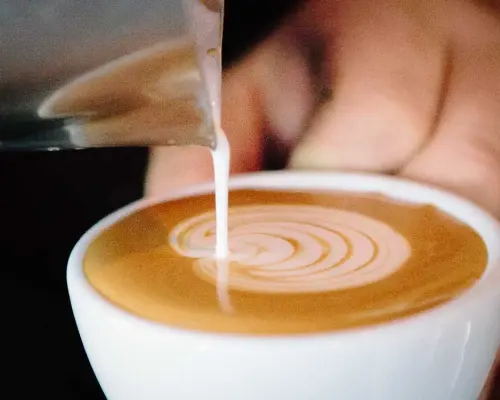
If you love coffee, then you’ve come to the right place! Melbourne’s coffee culture has a history of its own, and you’ll be able to learn more about it during this 2.5 hour small group walking tour. Not only will you be able to taste 4 different styles of coffee and 4 handpicked cafés, you’ll also get to hear about the origin of how it all came to be through the narration of your local tour guide.
— Meeting Info —
- Duration: 2.5–3 hours
- Starting time: 10:00 am
- Meeting point: Corner Degraves St and Flinders Street, Melbourne
- Walking distance: 1.5 km / 1 mi
- Maximum number of participants per package: 10 travelers
Visit 4 handpicked coffeehouses hidden in Melbourne’s prominent laneways


Taste 4 assorted coffee varieties brewed by expert baristas


Discover the secrets behind brewing a barista-style coffee, along with Melbourne’s crop-to-cup story


Important Info
Cancellation Policy
- Cancellations 2 day(s) (inclusive) before the selected date are allowed. Unused orders can be canceled for free
- Cancellation is not allowed between 0–1 days from the selected date. Orders cannot be canceled or modified, and refunds will not be granted.
- Due to time zone differences, the confirmed cancellation date is based on the supplier’s local time. Please allow 2–5 business days to process your cancellation request, after which the cancellation fee will be charged according to the product’s cancellation policy. Once the cancellation is confirmed, you will receive your refund within 14 working days.
FAQ
While not one single street, Melbourne's laneway system is most famous for its coffee culture. Degraves Street, Centre Place, and Hardware Lane are renowned for their concentration of independent cafes, hidden gems, and vibrant atmosphere. These narrow alleyways offer a unique urban coffee experience, known for high-quality espresso and bustling outdoor seating, contributing significantly to Melbourne's coffee reputation.
Melbourne's recognition stems from its rich immigrant history, particularly Italian post-WWII migrants who brought espresso culture to the city. This fostered a deep appreciation for quality, independent cafes, and skilled baristas. The city prioritizes freshly roasted beans, diverse brewing methods, and a strong community around coffee, making it a pivotal part of daily life and culinary identity, rather than just a beverage.
The 'Magic' is a uniquely Melbourne coffee characterized by a double ristretto (a very short, concentrated espresso shot) topped with finely textured steamed milk, typically served in a smaller cup, around 5-6 ounces (160ml). It's essentially a stronger, richer flat white, offering a more intense coffee flavor with less milk compared to a standard latte or cappuccino, providing a 'magical' balance of strength and smoothness.
On a Melbourne coffee tour, you might taste specialties like the 'Magic', a strong, milk-based coffee unique to the city. You could also explore different single-origin pour-overs, various cold brews, or experience diverse espresso blends. Some cafes also offer innovative coffee mocktails or unique seasonal creations, showcasing the city's experimental spirit and diverse range of coffee offerings.
A Melbourne coffee walking tour typically includes visits to multiple cafes where experienced baristas often demonstrate and explain different brewing methods. You might learn about the nuances of espresso extraction, various manual pour-over techniques (like V60 or Chemex), or the process behind cold brew. Guides can explain how bean selection, grind size, and water temperature significantly impact the final taste, offering insights into local craftsmanship.
Melbourne's laneways, once merely service alleys, transformed in the mid-20th century, becoming vibrant hubs for European immigrants. Many opened small espresso bars there, recreating a taste of home. This dense concentration of independent cafes fostered a hidden, high-quality coffee scene away from main streets. Today, they remain iconic, embodying Melbourne's intimate, discovery-driven, and celebrated coffee culture, reflecting its unique evolution.
When ordering coffee in Melbourne, it's common to specify your preferred milk (e.g., full cream, skim, oat, almond) and cup size (e.g., regular, large or often the millilitre size like 6oz or 8oz). Don't expect large chain-style menus; the focus is often on quality espresso. Tipping isn't strictly expected for just coffee but is appreciated for table service. Embrace the often-busy, standing-room-only atmosphere common in popular laneway cafes, where efficiency is key.
Melbourne's independent cafe scene is distinct due to its high concentration of owner-operated establishments prioritizing artisan quality over brand uniformity. It fosters strong relationships between roasters and baristas, with a relentless pursuit of the perfect cup. This focus on craftsmanship, diverse brewing methods, and a culture of casual, intimate cafe experiences sets it apart from more corporate or standardized coffee landscapes elsewhere, creating a truly unique coffee journey.
Get Help


