



Kakadu Tour in a Day | Australia
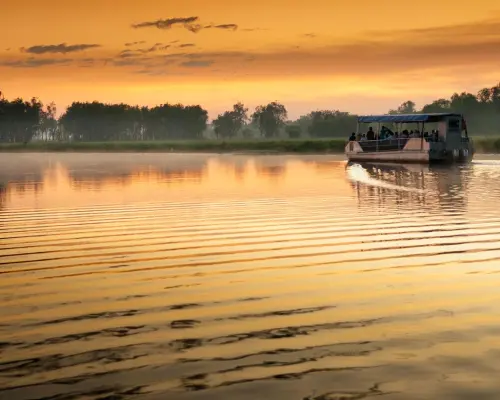
- Spend a full day exploring beautiful Kakadu National Park with one of the best Kakadu tours from Darwin! Go on a scenic flight, a relaxing Yellow Water cruise, and visit the lovely Warradjan Aboriginal Cultural Centre. Enjoy free entry to all the places you’ll visit, too!
Package Options


Sightseeing Tours
| Tour Type | Shared tour |
| Minimum participant requirement | 2 travelers |
| Tour types | Guided tour |
| Sightseeing type | Natural sights, Sightseeing flight |
| Transport | Sightseeing cruise |
| Cruise type | River boating |
Product Info
Purchase Notice
- The minimum number of guests for this tour is 2
- Single traveler bookings may be accepted on a to-be-confirmed basis. Please contact the Kakadu Air team directly at 1800 089 113 if you would like to make a single traveler booking
- Kakadu Air will contact you before the date of your tour either to confirm the booking or to offer alternate options in the event of an insufficient number of guests booked on your desired date
Cancellation Policy
- Cancellations 8 day(s) (inclusive) before the selected date are allowed. Unused orders can be canceled for free
- For cancellations made 4 to 7 days prior to selected date, a cancellation fee of 50% will apply
- Cancellation is not allowed between 0–3 days from the selected date. Orders cannot be canceled or modified, and refunds will not be granted.
- Due to time zone differences, the confirmed cancellation date is based on the supplier’s local time. Please allow 2–5 business days to process your cancellation request, after which the cancellation fee will be charged according to the product’s cancellation policy. Once the cancellation is confirmed, you will receive your refund within 14 working days.
FAQ
Kakadu National Park is world-renowned for its exceptional natural and cultural heritage. It is a UNESCO World Heritage site recognized for its diverse ecosystems, including expansive wetlands, lush rainforests, and dramatic escarpments, home to abundant wildlife like saltwater crocodiles and migratory birds. The park also holds profound cultural significance, preserving numerous ancient Aboriginal rock art sites that date back tens of thousands of years.
While Kakadu National Park is vast, a well-planned day trip can offer a significant introduction to its highlights. A focused day tour typically includes key attractions such as a Yellow Water Billabong cruise for wildlife viewing, a visit to the Warradjan Aboriginal Cultural Centre, and exploration of important rock art sites like Nourlangie or Ubirr. These tours are designed to maximize time efficiently, departing from Darwin and providing a comprehensive overview of the park's natural beauty and cultural depth.
The dry season, from May to October, is generally considered the best time to visit Kakadu National Park. During these months, the weather is cooler and drier, making many areas, including waterfalls and swimming spots, more accessible. Wildlife viewing, particularly around shrinking water sources, is excellent. The wet season, from November to April, offers dramatic storm landscapes and lush greenery, but can limit access to certain areas due to flooding.
While it is possible to visit Kakadu National Park independently, joining a guided tour is highly recommended, especially for first-time visitors or those on a day trip. Tours provide expert local guides who offer invaluable insights into the Aboriginal culture, history, flora, and fauna, significantly enhancing the visitor experience. Guided tours also handle all transportation, logistics, and often include permits, allowing visitors to fully immerse themselves in the park's wonders without the stress of planning.
Within Kakadu National Park, the primary way to get around is by vehicle. Many main roads are sealed and accessible by 2WD vehicles, connecting major attractions. However, some attractions and scenic routes, particularly during the wet season, require a 4WD for safe access. For those without a private vehicle or preferring not to drive, joining an organized tour from Darwin is a convenient option, as it includes transportation to key sites and often incorporates a scenic flight or boat cruise for varied exploration.
The most common way to travel from Darwin to Kakadu National Park is by road. The drive typically takes two to three hours, depending on your specific destination within the park. Many visitors choose to rent a car for independent exploration, allowing flexibility. Alternatively, joining an organized day tour from Darwin provides comfortable coach transportation, taking care of all travel logistics and allowing you to enjoy the scenery without the stress of driving and navigation.
Visitors to Kakadu National Park are typically required to purchase a park pass upon entry. These fees contribute directly to the park's conservation, maintenance, and the protection of its rich cultural heritage. The pass grants access to all public areas and attractions within the park. Some comprehensive tours or travel packages may include the park entry fee as part of their service, offering convenience and a streamlined experience for travelers.
Mobile phone and internet coverage within Kakadu National Park is generally limited, especially in remote areas. Major townships like Jabiru, Cooinda, and the Bowali Visitor Centre may offer some limited reception or Wi-Fi hotspots, often with a fee. It is advisable to prepare for periods without connectivity by downloading maps, tour itineraries, and essential information offline before entering the park, ensuring you can still navigate and access necessary details.
Get Help


