


Great Ocean Road Day Tour to the 12 Apostles & More from Melbourne | Victoria
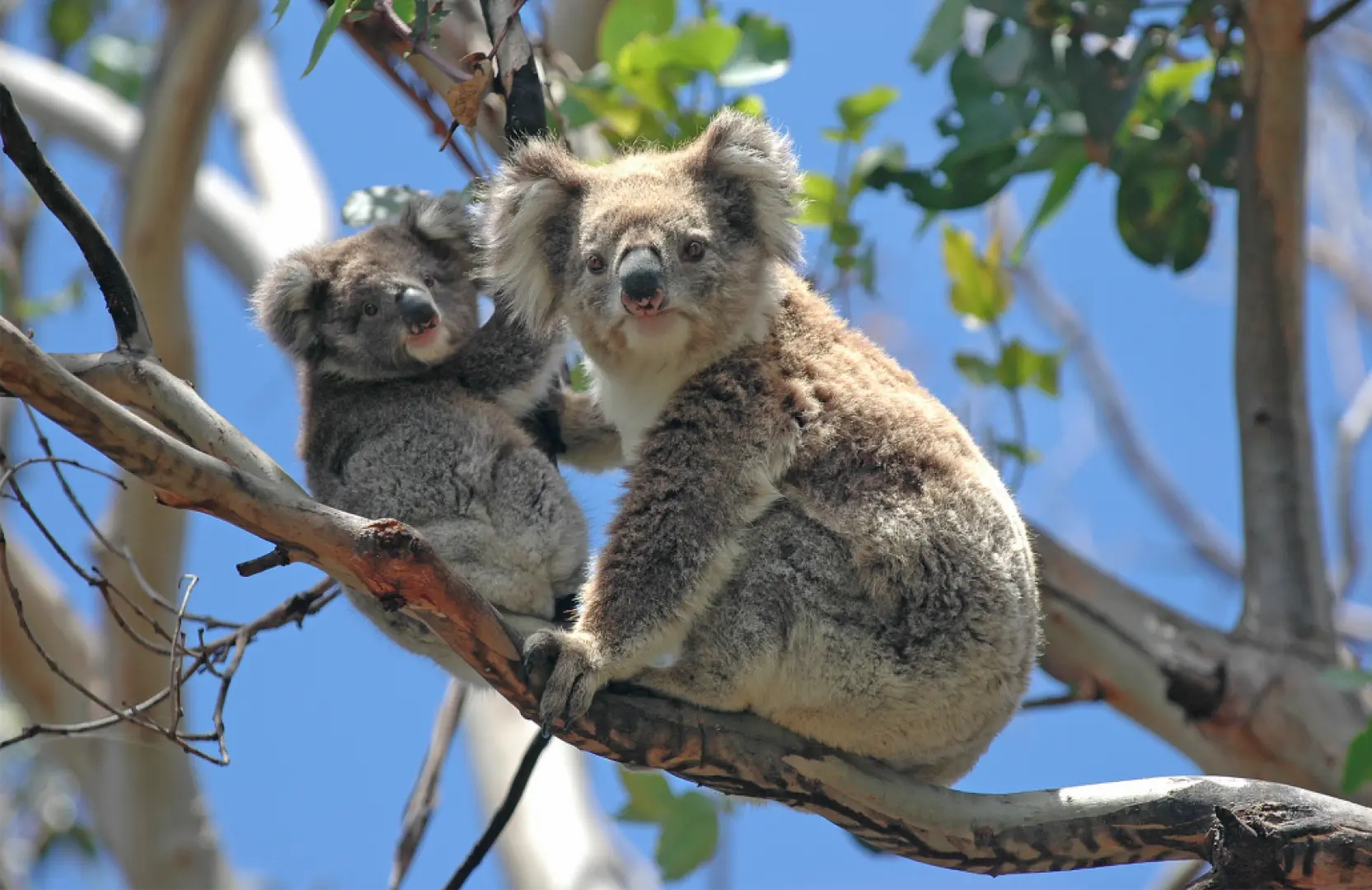
- Join a guided coastal tour with koalas and parrots in their natural habitat
- See the astounding limestone rock formations of the 12 Apostles from the Gibson Steps
- Head to the Loch Ard Gorge beach for more beautiful rock formations
- Enjoy morning tea along with an air-conditioned ride driving you along the coast
Package Options


Product Info
— What You Can Expect —
Come and see for yourself why this iconic coastal drive is world-renowned.
After being picked up from your Melbourne CBD accommodation, you will then explore the world-famous Great Ocean Road in this full-day tour. Follow along in many different languages in our website app so you don’t miss a thing! (Languages currently available: Arabic, Chinese simplified, Chinese traditional, English, French, German, Greek, Hindi, Italian, Japanese, Korean, Russian, Spanish, Thai.)
Spend the day in an airconditioned vehicle not only exploring the coastline features but also seeing koalas and birds in their natural habitat as well as a guided forest walk where you will see some of the tallest trees in the world. Morning tea is also included. All of this is on top of the iconic favourites such as the Torquay Surf Beach, Loch Ard Gorge, The Razorback, Island Archway, 12 Apostles and Gibson Steps with plenty of photo stops along the way.
1. Torquay Surf Beach
We stop here to experience first-hand your first look and feel of the iconic beaches and coastal views. You will also be within clear seeing distance of the world-famous Bells Surfing Beach. Get a taste of taking coastal photos and smelling the fresh seaside air.
2. Morning Tea
Refresh with morning tea
3. The Pole House
Roadside photo opportunity of the most photographed house on Great Ocean Road. Suspended 40 metres above the ground by a singular concrete column, its unique architecture maximises the stunning coastline view.
4. Great Ocean Road sign
Snap a selfie at this iconic post and send it to your friends.
5. Koalas and parrots in their natural habitat
Follow your experienced guide through the wilderness. Witness koalas and colourful parrots in their natural environment.
6. Cape Patton
Stop at one of the best viewing points along the Great Ocean Road and take in the iconic coastline vista.
7. Apollo Bay lunch stop
Here we stop at the coastal town of Apollo Bay where you can purchase your lunch from the many restaurants and cafes on offer. You can also walk around the coastal town or even take a swim on the beach if the weather suits you.
8. Guided Forest Walk.
Your guide will take you on a forest walk where you will see some of the tallest trees in the world. You will also take in the wonderful fresh natural smells the trees have to offer.
9. The Gibson Steps
Here (tide and wind permitting) you will be able to see some of the 12 Apostles from sea level on the beach. You will feel like you can reach out and touch them.
10. 12 Apostles
Take your time to view the world-renowned 12 Apostles. An awesome sight with fantastic photo opportunities. See for yourself why these limestone beauties are known all around the world.
11. Loch Ard Gorge
The final touring stop but many say it is the best. You need to witness first-hand this magnificent formation of rocks and rolling sea. Ground-level viewing will excite you with the natural glories it possesses.
12. Razorback
See the unique jagged Razorback formation.
13. Island Archway
The original archway collapsed in 2009 however two striking stacks remain, standing nearly as tall as the Apostles.
14. Dinner Stop
We stop at Colac where you can purchase dinner from one of the many restaurants and cafes. After dinner, your driver will return you to your CBD hotel.
— Important Info —
- All of the above are included in the price with the exception of lunch and dinner
- Pick up from your choice of Melbourne CBD at approximately 7 AM, location and times to be confirmed once booking completed 24 hrs prior to tour leaving
- Drop-off at approximately 8 PM
- Bring an umbrella if rain is forecast
Experience the wonder of the 12 Apostles from the the Gibson Steps


Take a picture at the iconic Great Ocean Road Sign to commemorate the trip


Witness koalas and colorful parrots up close at Apollo Beach

Marvel at the stunning coastline seascape the Apostle's lime formation rocks offer


Spend some time at the serene and majestic Loch Ard Gorge to end your Great Ocean Road trip right


Enjoy the view from Cape Patton Lookout


Purchase Notice
- Pick-up service is available from city centre accommodation or an agreed-upon pick-up point. Please advise where you will be staying in Melbourne in the Requests & Remarks section when booking. Pick up from your choice of Melbourne CBD, location and times to be confirmed once the booking is completed 24 hrs prior to the tour. If you are a solo traveller or book the day before you may be referred to a convenient central location
Reminders
Please bring your own water
The weather can change very rapidly so please check forecasts prior to joining tour. Please bring a jacket as a backup, and flat sealed shoes are recommended
A small day pack bag is all that is permitted on the bus due to space constraints
Please bring your headphones to listen to the tour audio via your personal device
Please bring an umbrella if rain is forecast
Cancellation Policy
- Cancellations 4 day(s) (inclusive) before the selected date are allowed. Unused orders can be canceled for free
- Cancellation is not allowed between 0–3 days from the selected date. Orders cannot be canceled or modified, and refunds will not be granted.
- Due to time zone differences, the confirmed cancellation date is based on the supplier’s local time. Please allow 2–5 business days to process your cancellation request, after which the cancellation fee will be charged according to the product’s cancellation policy. Once the cancellation is confirmed, you will receive your refund within 14 working days.
FAQ
The Twelve Apostles are iconic limestone stacks formed over millions of years through natural erosion. The powerful Southern Ocean gradually carved away the softer limestone cliffs, initially creating caves and then arches. As these arches eventually collapsed, isolated rock stacks were left standing. This continuous process of erosion and formation constantly reshapes the breathtaking coastline.
The majestic rock formations were given the name 'Twelve Apostles' for their grand, towering appearance, even though there were never precisely twelve stacks. This name was largely adopted for marketing purposes to enhance their appeal to visitors. Due to ongoing natural erosion from the ocean and wind, there are currently seven of these impressive limestone stacks still standing along the coastline.
The number of visible rock stacks at the Twelve Apostles has decreased over time due to the relentless forces of natural erosion. For instance, one stack collapsed in 2005 and another in 2009. This continuous process highlights the dynamic nature of the coastline, where these ancient geological formations are constantly being reshaped by the ocean, with new ones potentially forming over vast geological timescales.
The best time to visit the Great Ocean Road for optimal weather and viewing conditions is generally during the Australian summer and autumn, which runs from December to May. These months typically offer warmer, drier weather and clearer skies, providing excellent visibility for coastal views and more comfortable conditions for exploring the various sites and walking trails along the route. However, weather can be unpredictable, so checking forecasts is always recommended.
For a comprehensive and enjoyable experience, a full-day tour is highly recommended to explore the Great Ocean Road and its key attractions. This allows sufficient time to visit iconic sites such as the Twelve Apostles, Loch Ard Gorge, and the Gibson Steps, participate in various forest and coastal walks, and enjoy wildlife spotting opportunities without feeling rushed. A full day ensures you can truly appreciate the spectacular scenery.
The most common and convenient way to reach the Twelve Apostles and other significant sites along the Great Ocean Road from Melbourne is by joining a guided bus tour. These tours typically provide comfortable, air-conditioned transportation, handling all the driving and navigation. This allows visitors to relax, enjoy the stunning coastal scenery, and fully immerse themselves in the experience without the complexities of self-driving or limited public transport options.
Loch Ard Gorge offers a dramatic combination of stunning geological features and rich maritime history. Visitors can explore a pristine beach surrounded by towering sandstone cliffs, observe impressive rock formations such as 'Razorback' and 'Island Archway', and delve into its namesake shipwreck. The gorge is named after the clipper ship 'Loch Ard', which tragically ran aground there in 1878, and interpretive signs share the inspiring survival story of its two teenage survivors.
A visit to the Great Ocean Road provides excellent opportunities for observing native Australian wildlife, particularly in its coastal and forested environments. You can often spot koalas nestled in eucalyptus trees, especially around popular areas like Kennett River, and encounter a vibrant array of native birds, including colourful parrots. Wallabies and kangaroos may also be seen, particularly during dawn and dusk. Lucky visitors might even spot seals, dolphins, or whales during their migration season along the coast.
Get Help


