


Jeju Folk Village Admission Ticket | South Korea
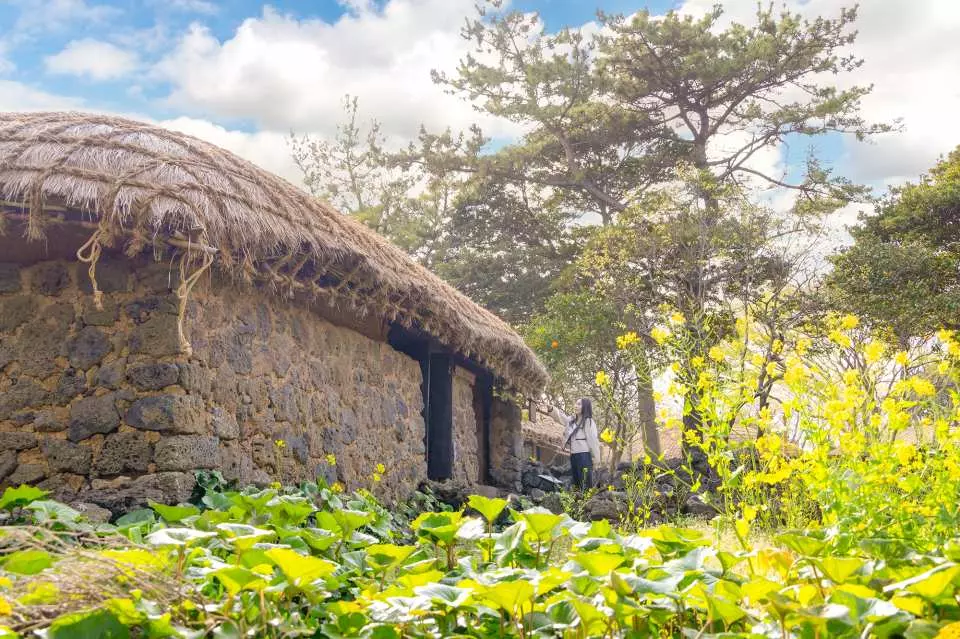
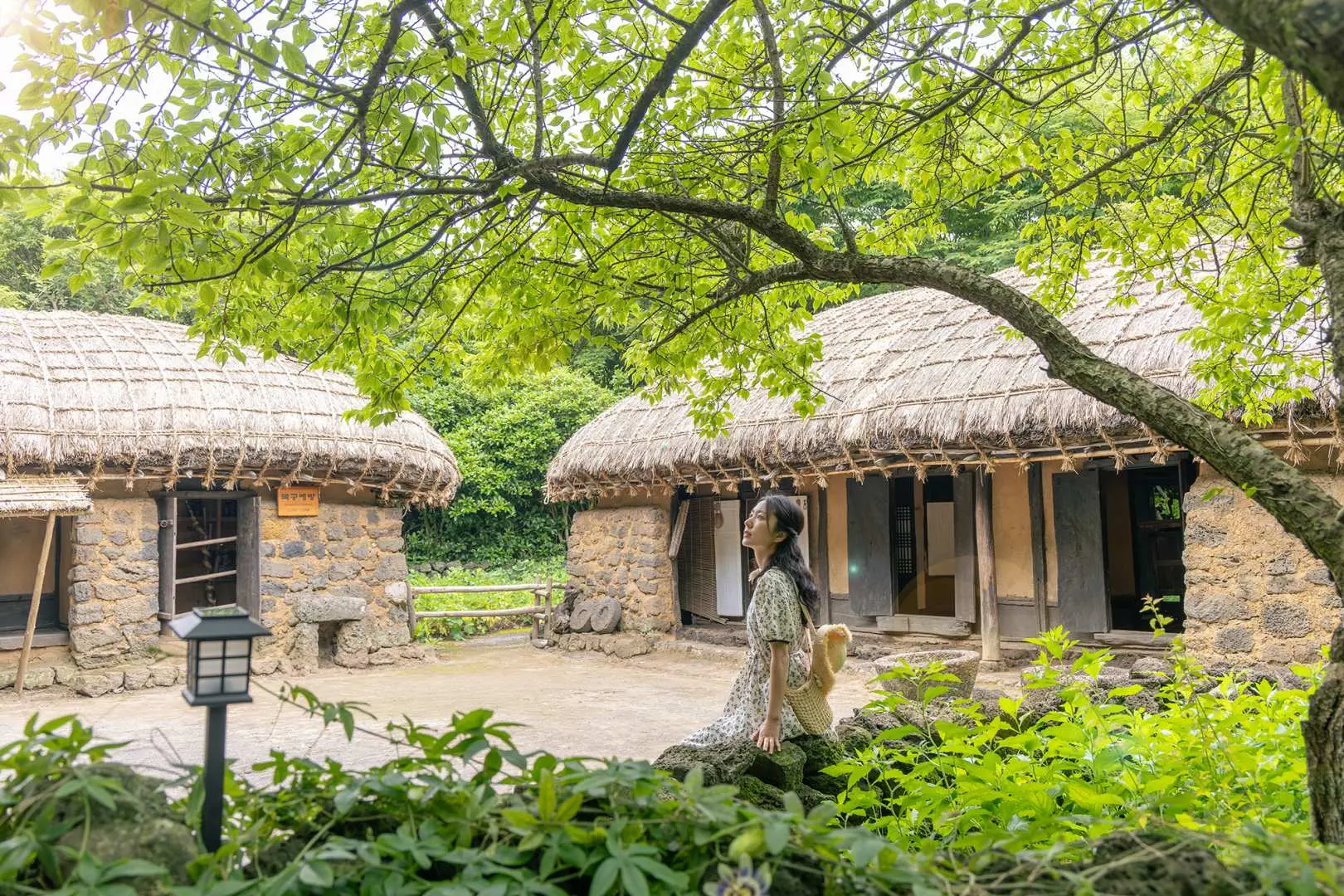
Step back in time at Jeju Folk Village, an open-air museum preserving Jeju's rich cultural heritage with traditional homes, artifacts, and local craftsmanship.
- Enjoy vibrant seasonal flower festivals throughout the year
- Watch live performances and explore cultural exhibits at every corner
- Experience interactive activities such as electric train rides, photo zones, and traditional crafts
- Savor delicious local cuisine with a variety of cafes, restaurants, and snack options
Attraction Tickets
| Ticket type | E-ticket (requires redemption) |
| Exhibit type | Traditional culture exhibits |
| Attraction type | History & culture, Traditional house experience |
| Tour types | None |
| Show type | Festival experience |
Product Info
The content of this product is provided by machine translation and may not reflect the actual information, please take this into consideration before booking.




Purchase Notice
[Jeju Folk Village]
Terms of Use: Use after receiving the barcode
Address: 631-34 Minsokhaean-ro, Pyoseon-myeon, Seogwipo-si
Inquiry: 064-787-4501
Operating hours: 09:30 ~ 19:00
Last admission: 1 hour before closing time
Closed: Open all year round
Free admission criteria: Free admission for children under 48 months (proof required)
Parking: Available
[The first village below Hallasan Mountain]
Address: 631-46 Minsokhaean-ro, Pyoseon-myeon, Seogwipo-si, Jeju-do
(Located to the right of the ticket booth inside the main gate of Jeju Folk Village)
Inquiry: 064-787-8899
Operating hours: 10:30-18:30 (Break time: 15:00-16:00)
Order deadline: 18:20 (Orders may close early if supplies run out.)
Closed: Every Tuesday
Choose 1 menu: Jeju buckwheat bibimjakjakmyeon, Jeju buckwheat mul naengmyeon, Jeju buckwheat bibim naengmyeon, Korean beef clear gomtang, or Jeju buckwheat jogaegi
Reminders
In case of delays caused by traffic, weather, or other force majeure factors resulting in the cancellation of some itinerary attractions, please contact customer service. We will arrange a partial refund for you
How to Use
📌How to use
- Notification Talk: Please check the Kakao Notification Talk sent from LS Company. (If you do not have KakaoTalk, it will be sent via text message.)
- Barcode: Click the shortcut link in Notification Talk to go to the barcode screen. (If you delete the notification message you received, it will be difficult to enter.)
- Ticket Office & Kiosk: Tickets can be issued by scanning barcode.
⛔️Cancellation and refund policy
- To request a refund, please request a My Page or contact customer service.
- Partial use and partial refund are not possible. (If you need a refund for some tickets, please cancel all tickets and repurchase.)
How to Use Your Voucher
- Please present the voucher sent by KakaoTalk on-site
Validity Period
- Valid for use within 30day(s) from the date of issue; Invalid after expiration
Experience Location
Location Name: Jeju Folk Village
Address: 631-34 Folkhaean-ro, Pyoseon-myeon, Seogwipo-siCancellation Policy
- Free cancellation!
- Due to time zone differences, the confirmed cancellation date is based on the supplier’s local time. Please allow 2–5 business days to process your cancellation request, after which the cancellation fee will be charged according to the product’s cancellation policy. Once the cancellation is confirmed, you will receive your refund within 14 working days.
FAQ
Jeju Folk Village is highly worthwhile for immersing visitors in traditional Korean culture, particularly that of Jeju Island. It functions as an open-air museum showcasing authentic village life, historic architecture, and artifacts. You can witness local customs, explore various traditional homes, and understand Jeju's unique heritage in a comprehensive setting.
Visitors can explore various types of traditional Jeju homes, including mountain, fishing, and farming village houses, along with specific governmental offices and traditional marketplaces. The village features extensive cultural exhibits showcasing tools, household items, and traditional crafts, offering deep insight into Jeju's historical way of life.
Jeju Folk Village is enjoyable year-round, but specific seasons offer unique experiences. Spring and autumn are popular for pleasant weather and vibrant scenery. The village hosts seasonal flower festivals, making spring (e.g., cherry blossoms, canola flowers) and summer (e.g., hydrangeas) particularly picturesque. Check for specific festival schedules for the best experience.
Jeju Folk Village is located on the eastern side of Jeju Island. The most common ways to reach it include: taxi from major areas like Jeju City or Seogwipo; rental car for maximum flexibility; or public bus. Several bus routes, such as local bus 211, 212, 721-1, or 721-2, connect from Jeju Intercity Bus Terminal or Seogwipo. Confirm current routes and schedules before your visit.
To fully explore Jeju Folk Village and enjoy its various exhibits, interactive activities, and live performances, visitors should plan to spend approximately 2 to 3 hours. This allows ample time to wander through different village sections, participate in traditional crafts, and enjoy local snacks at a relaxed pace, ensuring a comprehensive experience.
Yes, taxis are generally available on Jeju Island and can be used to travel to and from Jeju Folk Village. While major international ride-hailing apps might not be as widely available as local taxi services, you can typically hail a taxi at designated stands, use local taxi apps, or arrange one through your accommodation for convenient transport.
Jeju Folk Village offers diverse interactive experiences, including electric train rides around the complex, various photo zones for memorable pictures, and opportunities to observe or participate in traditional crafts. For dining, there are multiple cafes, restaurants, and snack stalls throughout the village serving delicious local Jeju cuisine and refreshments.
Jeju Folk Village stands out as an open-air museum by meticulously preserving and showcasing the island's unique cultural identity and traditional architecture. Unlike many indoor museums, it provides an immersive, living history experience with actual relocated traditional homes, allowing visitors to walk through a past Jeju village and interact with its cultural heritage directly.
Get Help


