


Discover the Timeless Beauty of Hue: Perfume River Cruise, Ancient Pagoda, Imperial Citadel & Majestic Royal Tombs
- Scenic dragon boat ride on the Perfume River
- Visit to Thien Mu Pagoda, Hue’s oldest and most iconic pagoda
- Exploration of the Imperial Citadel, home of Vietnam’s last royal dynasty
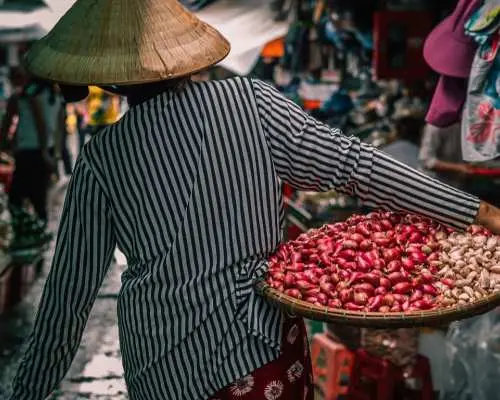
- Stroll through Dong Ba Market, the city’s largest traditional market
- Relaxing lunch with Hue’s traditional dishes, royal tea, and herbal foot soaking
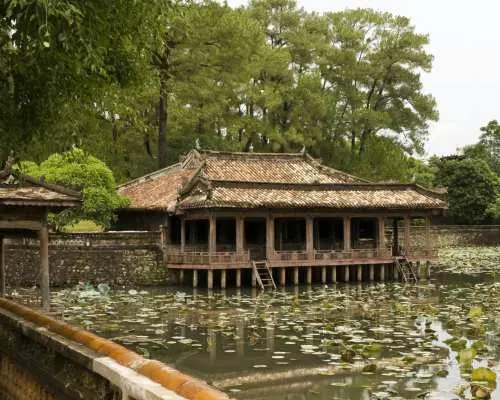
- Discover two contrasting royal tombs: Minh Mang (traditional architecture) and Khai Dinh (French-influenced design)
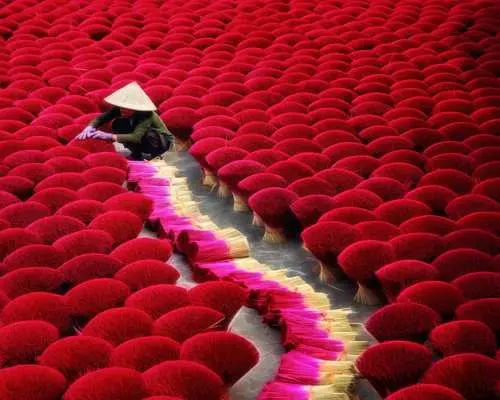
- Visit Thuy Xuan village to learn traditional conical hat and incense-making
- Professional English-speaking guide with deep knowledge of Hue’s history and culture
Package Options


Product Info
Purchase Notice
In case of operator cancellation due to unforeseen circumstances (e.g. extreme weather, safety concerns), guests may choose a full refund or reschedule at no extra cost.
FAQ
1. What is the cultural significance of the Perfume River in Hue?
The Perfume River is central to Hue's identity, symbolizing romance and tranquility. It holds deep historical significance as a vital waterway for emperors and a muse for Vietnamese poetry and music. Its name, legend has it, comes from the subtle fragrance of flowers falling into its waters during autumn, contributing to the city's poetic charm and serene atmosphere, deeply embedding it in local culture.
2. What scenic highlights can be seen during a Perfume River cruise in Hue?
A Perfume River cruise offers picturesque views of Hue's natural beauty and historical landmarks. You can admire the pine-covered Ngu Binh Mountain, the iconic Thien Mu Pagoda perched gracefully on its bank, and the tranquil daily life along the river. The traditional dragon boat ride itself enhances the cultural experience, providing a unique and serene perspective of the city's heritage and landscapes.
3. What are the geographical details of the Perfume River?
The Perfume River originates from the Truong Son Mountain range, formed by two main tributaries: Ta Trach and Huu Trach. These converge at Bang Lang Fork, from where the river flows through the heart of Hue city for approximately 80 kilometers before emptying into the South China Sea. It is known for its gentle current and clear, often greenish, waters.
4. What kind of sensory experience does the Perfume River offer visitors?
The Perfume River provides a deeply tranquil and poetic sensory experience. Visitors can enjoy the gentle breeze, the subtle natural scents of local flora, particularly the faint aroma of flowers in autumn, and the soft sounds of traditional music often played on dragon boats. Visually, the serene riverbanks, historical pagodas, and lush landscapes create a calming and immersive atmosphere, unique to Hue's heritage.
5. Is a visit to the Perfume River and its surrounding attractions worthwhile for travelers?
Yes, a visit to the Perfume River and its surrounding attractions is highly worthwhile for travelers. It offers a comprehensive immersion into Hue's imperial past and natural beauty. Exploring the river by boat, discovering the ancient Thien Mu Pagoda, the grandeur of the Imperial Citadel, and the majesty of the royal tombs provides deep insights into Vietnam's last royal dynasty and cultural heritage, making for a truly enriching experience.
6. What is the Hue Imperial Citadel and what are its key sections?
The Hue Imperial Citadel is a vast, walled fortress and palace complex that served as the imperial capital of the Nguyễn Dynasty. Its key sections include the Citadel (Kinh thành), the outer defensive wall encompassing the entire complex; the Imperial City (Hoàng thành) within, which housed the emperor's administrative offices, temples, and palaces; and the Forbidden Purple City (Tử Cấm Thành) at its core, reserved exclusively for the imperial family.
7. What is the Forbidden Purple City within the Hue Imperial Citadel?
The Forbidden Purple City (Tử Cấm Thành) is the innermost and most exclusive enclosure within the Hue Imperial Citadel. It was strictly reserved for the emperor, his concubines, and immediate family members, along with a select few eunuchs and servants. This sacred area contained the emperor's private residences, reception halls, and living quarters, symbolizing the absolute power and seclusion of the Nguyễn dynasty rulers.
8. What distinguishes Minh Mang and Khai Dinh Royal Tombs in Hue?
The Minh Mang and Khai Dinh Royal Tombs are distinguished by their contrasting architectural styles. Minh Mang Tomb exemplifies classical Sino-Vietnamese architecture, featuring a harmonious layout with serene lakes, pavilions, and courtyards, reflecting traditional aesthetics. In contrast, Khai Dinh Tomb showcases an elaborate blend of Vietnamese and European architectural elements, with intricate mosaics and a more ornate, concrete-based design, reflecting French colonial influence and the emperor's personal taste.
Get Help


