


Private Half Day Motorbike Tour | Exploring Tomb Of King Tu Duc - Ho Quyen Arena - Thuy Bieu Village| Hue - Vietnam
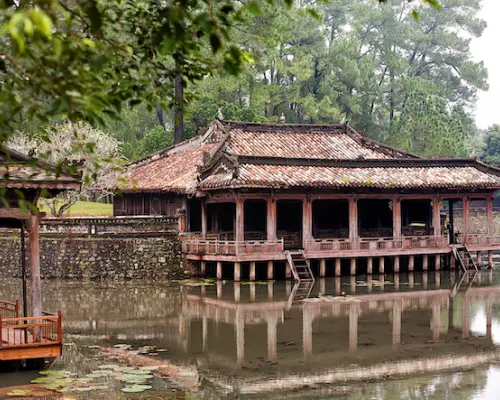
- Admire the grandeur and ancient beauty of Tu Duc Tomb, one of the finest mausoleums in Hue.
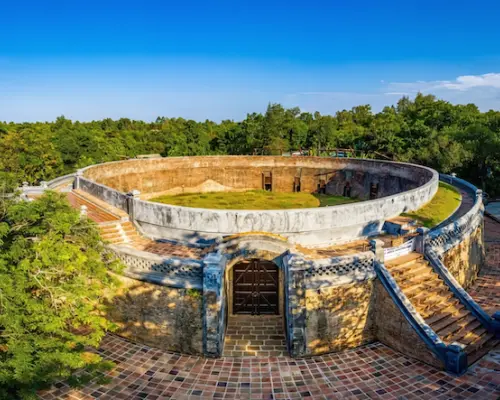
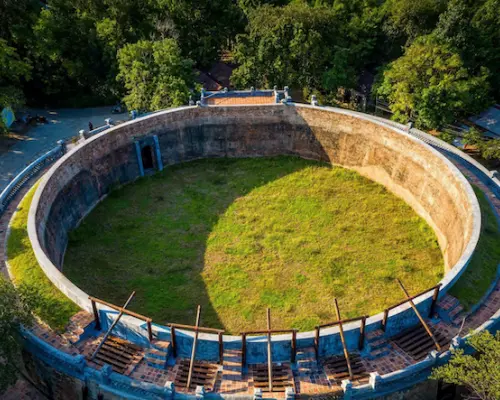
- Explore the Ho Quyen Arena, where battles between elephants and tigers were held for the entertainment of emperors, royals, and officials.
- Thuy Bieu Village is a hidden gem of pristine nature and culture, best known for its mild sweet Thanh Tra fruit, a special type of pomelo with a delicate fragrance and green skin.
Sightseeing Tours
| Tour Type | Private tour |
| Tour types | Guided tour |
| Meal arrangement | Lunch included, With dinner |
| Sightseeing type | Natural sights, Historic site tour |
| Transport | Scooter |
Product Info
Discover the ancient charm of the former imperial capital of Hue on this half-day tour! Get ready to enjoy an exciting and unique trip with grand mausoleums and lush natural scenery.
- Tomb of King Tu Duc: The Tomb of King Tu Duc was built from 1864 to 1867, is the most famous and impressive tomb of the king. Mausoleum Tu Duc was designed to be used before and after the death of the king. Huge cost and manpower for the construction of the tomb.
- Ho Quyen Arena (Ho Quyen): If Italy has Roma - one of the most impressive Arenas in the world, the Arena of Tigers (Ho Quyen) is a unique Arena in Hue. Perhaps, Ho Quyen is an Arena that cannot be found anywhere else because of its value and meaning. It was the arena where matches between elephants and tigers were held for the entertainment of the Emperor, royal family and mandarins.
- Thuy Bieu Village: The group will visit the shady Thanh Tra grapefruit gardens and enjoy the rural atmosphere of Hue villages. Luong Quan Temple. The garden house is hundreds of years old. Visit the ancient house of Ho Xuan Dai, the painting house of Dang Van Thanh and experience making Thanh Tra jam.
— Important Information —
- Location: Hue City
- Starting time: Morning 8.00 AM / Afternoon 1.30 PM
- Duration: 4 hours
- Meeting point: Pickup at hotel
- Pick up/ drop off time: Start from 8.00 AM, Drop off 12.00 PM / Start from 1.30 PM, Drop off 5.30 PM
Menu lunch/ dinner:
- Mixed Figs with shrimp and meat
- Hue Spring Rolls
- Vietnamese Roasted Chicken
- Grilled pork with lemongrass
- Beef rice noodles
- Stir-fried vegetable
- Rice
- Dessert: Fresh fruits and Tea
The Tomb of King Tu Duc


The Arena of Tigers (Ho Quyen) is a unique Arena in Hue.


Visit the ancient house of Ho Xuan Dai, the painting house of Dang Van Thanh and experience making Thanh Tra jam


Important Info
Reminders
Please remember to bring suitable shoes, an umbrella or a hat due to unexpected weather situation
Cancellation Policy
- Cancellations 3 day(s) (inclusive) before the selected date are allowed. Unused orders can be canceled for free
- For cancellations made 2 to 2 days prior to selected date, a cancellation fee of 50% will apply
- Cancellation is not allowed between 0–1 days from the selected date. Orders cannot be canceled or modified, and refunds will not be granted.
- Due to time zone differences, the confirmed cancellation date is based on the supplier’s local time. Please allow 2–5 business days to process your cancellation request, after which the cancellation fee will be charged according to the product’s cancellation policy. Once the cancellation is confirmed, you will receive your refund within 14 working days.
FAQ
Tu Duc Tomb is renowned for its immense scale, harmonious architecture, and poetic landscape design. It served as Emperor Tu Duc's final resting place and a tranquil retreat during his lifetime. Its intricate structures, serene lakes, and lush gardens reflect the emperor's refined tastes and melancholic spirit, making it one of Vietnam's most beautiful and culturally significant imperial tombs.
Tu Duc Tomb is largely well-preserved, with ongoing conservation efforts maintaining its ancient beauty. Visitors can explore various temples, pavilions, and the serene Luu Khiem Lake. The complex offers a contemplative experience, allowing insight into imperial life and funerary traditions. Pathways are generally accessible, and signs provide historical context, making for an enriching cultural visit.
Emperor Tu Duc's actual burial site remains a mystery. While the elaborate tomb complex was built for his interment, the emperor was reportedly buried in a secret location to prevent grave robbery. His sarcophagus is housed within the tomb's Stele Pavilion, but his true resting place is said to be elsewhere, with all 200 laborers involved in the secret burial allegedly executed to maintain the secret.
The lake system, particularly Luu Khiem Lake, holds deep symbolic significance at Tu Duc Tomb. It represents the concept of longevity and the harmony between man and nature. The lake's calm waters and surrounding islands, like Tinh Khiem Island (where the emperor hunted small game), were designed to create a peaceful, contemplative atmosphere, reflecting the emperor's poetic soul and desire for eternal serenity.
The Ho Quyen Arena, or Tiger Fighting Arena, was the site of thrilling and often brutal elephant-tiger duels, organized for the entertainment of the Nguyễn emperors, royals, and officials. These staged battles served to demonstrate the imperial power over wild beasts, symbolizing the emperor's strength and control. Today, its distinct circular architecture and tiered seating stand as a fascinating remnant of a bygone imperial tradition.
Thuy Bieu Village is considered a hidden gem due to its pristine natural beauty, tranquil atmosphere, and rich cultural heritage. Nestled along the Perfume River, it offers an authentic glimpse into traditional Vietnamese rural life. Visitors can experience the serene landscape, explore ancient gardens, engage with local artisans, and witness the traditional craft-making processes, providing a peaceful escape from the city.
Thuy Bieu Village is most famous for its Thanh Tra fruit, a special type of pomelo. This fruit is highly prized for its mild sweetness, delicate fragrance, and distinctive green skin. Beyond the Thanh Tra fruit, the village is also known for its traditional craft products, such as incense sticks and conical hats, reflecting the deep-rooted cultural practices and agricultural lifestyle of the local community.
To explore Tu Duc Tomb, Ho Quyen Arena, and Thuy Bieu Village, which are located somewhat spread out from Hue city center, common transportation methods include motorbikes, taxis, or private cars. A private motorbike tour is a popular and efficient way to navigate these sites, offering flexibility and an immersive local experience. Taxis and private car services provide a comfortable and convenient alternative for travelers.
Get Help


