



Melbourne: Great Ocean Road Panorama Day Tour
- Admire the stunning scenery along the Great Ocean Road, with its turquoise coastline and crashing waves
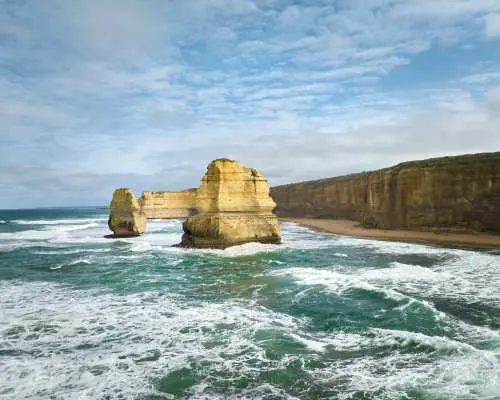
- Head straight to the Twelve Apostles in the morning, and experience the towering cliffs and secluded beach at Loch Ard Gorge
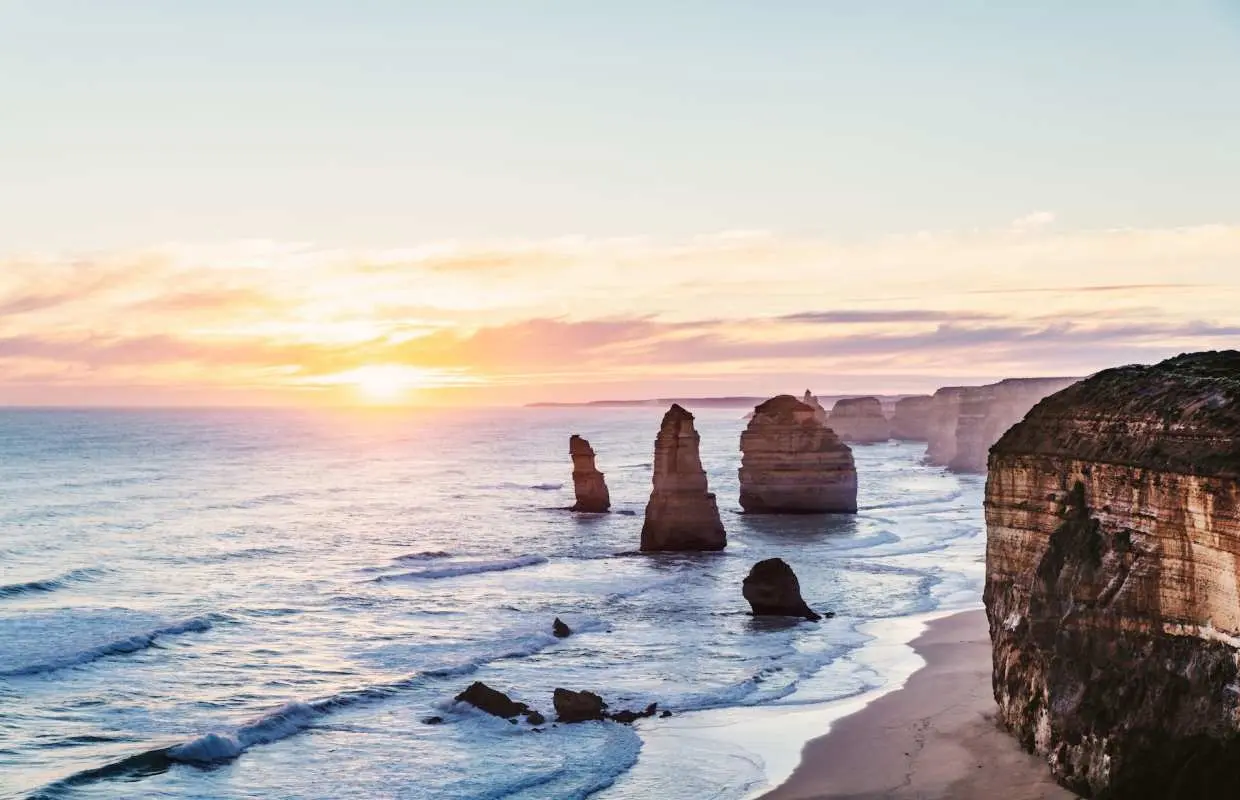
- Visit the world-famous natural wonder, the Twelve Apostles, while perfectly avoiding crowds and backlight issues
- Spot wild koalas in the lush eucalyptus forests along Apollo Bay Road and get closer to native wildlife
- Stroll through the charming coastal town of Apollo Bay, where the azure sea meets rolling green hills
- Stop at the historic Memorial Arch, the landmark gateway of the Great Ocean Road, and take photos at the iconic starting point
Package Options


Sightseeing Tours
| Tour Type | Shared tour |
Product Info
The content of this product is provided by machine translation and may not reflect the actual information, please take this into consideration before booking.
Visit the historic Memorial Arch at Eastern View, a tribute to the builders of the Great Ocean Road, and take in the beauty of this iconic landmark


Pass through the lush Great Otway National Park and keep an eye out for koalas and local wildlife in their natural habitat


Purchase Notice
We set off early in the morning, and our first stop was the Twelve Apostles area. We took a walking tour of Loch Ard Gorge and listened to introductions about the shipwreck's history, geology, and coastal ecology. In 1878, the British immigrant ship Loch Ard struck Muttonbird Island here, with only two young men surviving.
Next, arrive at Port Campbell National Park to see the famous Twelve Apostles. This is one of the most spectacular and quintessential views of the Great Ocean Road. From the viewpoint, walk down the boardwalk steps and you'll have plenty of time to appreciate the magnificent and unique scenery of the Twelve Apostles and take some unforgettable photos.
Afterwards, we will arrive at the Great Ocean Road Wildlife Park, where you can visit at your own expense and get up close to iconic Australian wildlife. We will also stop here for lunch at your own expense.
After lunch, we will pass through Great Otway National Park. Along the road to Apollo Bay, we may stop and, depending on the situation, venture into the dense eucalyptus forest together to search for wild koalas and get close to wildlife (this is not guaranteed). Afterwards, we will arrive at the charming and tranquil seaside town of Apollo Bay. The town boasts wide beaches, azure waters, and verdant hills, creating a harmonious natural landscape.
Driving through the town of Lorne, a tranquil place with kilometers of fine sandy beaches, it has become a popular spot for surfers.
Next, we will stop at the historic Memorial Arch at Eastern View, one of the iconic landmarks of the Great Ocean Road, which was originally erected to commemorate the builders of the Great Ocean Road.
After the tour, we will take you to Melbourne city center by road at around 8 am.
(The itinerary order and tour duration may be adjusted due to objective factors such as weather and traffic conditions on the day.)
(Due to the long travel time on that day, the dismissal time may be late. Please do not combine this with your flight on the same day.)
(The driver will choose to go in the forward or backward direction depending on the road conditions.)
Reminders
If the total number of passengers falls below the minimum 8 passengers requirement for this tour, we will notify passengers by email 2 days before departure
**Due to the longer travel time, the tour might end at later hours. We advise travelers not to schedule a flight on the same day as the tour
The driver will choose to go forward or backward depending on the road conditions.
Cancellation Policy
- Cancellations 4 day(s) (inclusive) before the selected date are allowed. Unused orders can be canceled for free
- Cancellation is not allowed between 0–3 days from the selected date. Orders cannot be canceled or modified, and refunds will not be granted.
- Due to time zone differences, the confirmed cancellation date is based on the supplier’s local time. Please allow 2–5 business days to process your cancellation request, after which the cancellation fee will be charged according to the product’s cancellation policy. Once the cancellation is confirmed, you will receive your refund within 14 working days.
FAQ
A single-day tour of the Great Ocean Road is designed to showcase its most iconic landmarks, such as the Twelve Apostles, Loch Ard Gorge, and Split Point Lighthouse. While it provides a comprehensive overview of the stunning coastal scenery and major attractions, it is a full day of travel and sightseeing. For a more relaxed pace or to explore charming towns like Apollo Bay in depth, a multi-day trip might be preferred, but a day tour still offers an unforgettable experience of the main sights.
A typical Great Ocean Road day tour departing from Melbourne usually lasts between 12 to 14 hours, including travel time. This allows ample time to journey along the scenic route, stop at key attractions like the Twelve Apostles, Loch Ard Gorge, and the Memorial Arch, and enjoy brief visits to coastal towns such as Apollo Bay. The goal is to maximize sightseeing within a single day.
The best time to visit the Great Ocean Road is generally during the Australian summer and autumn months, from December to May. During this period, the weather is typically warmer and drier, offering clearer skies for breathtaking views of the coastline and rock formations. Spring (September to November) also provides pleasant weather and blooming wildflowers, though it can be slightly cooler. Winter (June to August) brings cooler temperatures and more rainfall, but also dramatic skies and fewer crowds.
The Great Ocean Road is located along the southeastern coast of Australia, in the state of Victoria. It spans approximately 243 kilometers (151 miles) between the Victorian cities of Torquay and Allansford. The road hugs the coastline, offering panoramic views of the Southern Ocean, and leads to famous geological formations like the Twelve Apostles and various national parks. Most tours depart from Melbourne, heading west towards these iconic sights.
The Twelve Apostles are a collection of limestone stacks off the shore of Port Campbell National Park on the Great Ocean Road. While originally named for the approximate number of stacks visible, erosion has caused some to collapse over time. Currently, eight of these magnificent rock formations remain standing. Despite the name, they continue to be a breathtaking natural wonder, constantly reshaped by the ocean.
Yes, spotting native Australian wildlife, including koalas, is a common highlight of a Great Ocean Road tour. Areas around Apollo Bay and along the eucalyptus forests of Apollo Bay Road are known habitats for koalas, often seen perched in tree branches. Other wildlife such as kangaroos, wallabies, and various bird species can also be observed in the region's diverse natural environments.
Besides the iconic Twelve Apostles, a Great Ocean Road tour typically includes visits to several other significant landmarks. These often include Loch Ard Gorge, famous for its towering cliffs and rich maritime history; the historic Memorial Arch, marking the road's beginning; and the Split Point Lighthouse, offering picturesque views. Many tours also include stops in charming coastal towns like Apollo Bay for scenic strolls and refreshments.
The Great Ocean Road offers numerous photo opportunities. At the Memorial Arch, visitors can capture the historic gateway and its commemorative statue, symbolizing the road's construction. The Split Point Lighthouse, an active beacon, provides stunning panoramic shots of the rugged coastline and ocean from its elevated position. Both locations offer unique backdrops for memorable photographs of your journey.
Get Help


