



Japan Kyoto | Experience making 4 kinds of Japanese sweets | Kanshundo (Higashiyama Kiyomizu-dera store, Sagano store)
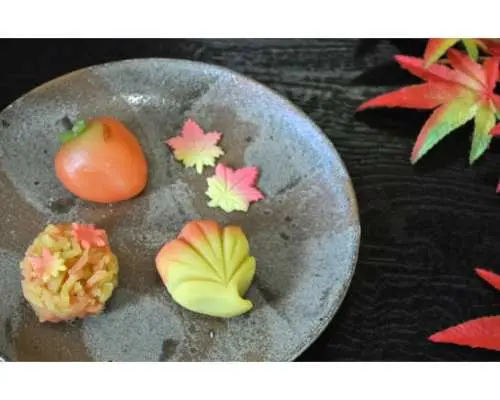
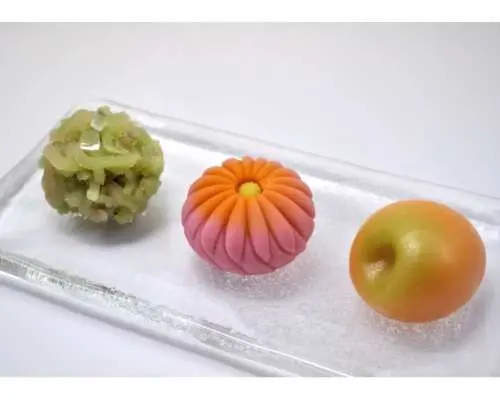
There are four types of sweets to make: raw sugar, uirou, nerikiri, and kinton.
All of these types are commonly used in tea ceremonies.
There is no doubt that everyone will be happy to see the sweets for the first time!
[The sweets we make change every month]
Japan has four seasons.
Therefore, the sweets we make change every month.
Sweets are made according to the four seasons, such as plum blossoms for New Year's, cherry blossoms for spring, water for summer, autumn leaves for autumn, and snow for winter.
You can find different sweets even if you come in spring or fall.
[Taste the sweets you made yourself]
After the experience, you can definitely try it! !
What's more, you get to sample the sweets you made yourself, so it's very memorable.
Enjoy with matcha.
Package Options
Cultural Experiences
| Location | Indoor |
| Experience type | DIY Workshop |
| Cuisine type | Wagashi (Japanese sweets) |
| Cultural experience type | Japanese tea ceremony |
Product Info
Important Info
Reminders
If you are late, you may not be able to participate. (Please be sure to arrive on time.)
Meeting time: Please arrive at least 10 minutes before the start time.
Regarding clothing and belongings: None.
Regarding rental items: Apron (free).
How to Redeem Your Voucher
How to Use Your Voucher
- Please present the e-voucher on-site
Experience Location
Location Name: Kanshundo “Higashi store”
Address: 511-1 Chayamachi, east of Kawabata, Higashiyama Ward, Kyoto CityLocation Name: Kanshundo “Sagano store”
Address: 1-1 Saga Shakado Daimoncho, Ukyo Ward, Kyoto City, Kyoto PrefectureCancellation Policy
- Cancellations 2 day(s) (inclusive) before the selected date are allowed. Unused orders can be canceled for free
- For cancellations made 1 to 1 days prior to selected date, a cancellation fee of 50% will apply
- Cancellation is not allowed between 0–0 days from the selected date. Orders cannot be canceled or modified, and refunds will not be granted.
- Due to time zone differences, the confirmed cancellation date is based on the supplier’s local time. Please allow 2–5 business days to process your cancellation request, after which the cancellation fee will be charged according to the product’s cancellation policy. Once your refund request is confirmed, KKday will initiate the refund to your original payment method within 15 days. The actual refund timing depends on your card-issuing bank’s policy.
FAQ
1. How can visitors reach Kanshundo's Higashiyama Kiyomizu-dera store from Kyoto Station?
From Kyoto Station, you can take city bus route 206 or 100 to Gojozaka bus stop. From there, the Higashiyama Kiyomizu-dera store is approximately a 10-minute walk up the hill towards Kiyomizu-dera Temple. This route is convenient for experiencing the historic street atmosphere while heading to the store.
2. What specific types of wagashi are taught in the Kanshundo Japanese sweets making experience?
During the Kanshundo Japanese sweets making experience, you will learn to craft four distinct types of wagashi: raw sugar, uirou, nerikiri, and kinton. These varieties are commonly featured in traditional Japanese tea ceremonies, offering a rich insight into the authentic art of wagashi creation.
3. Do the seasonal designs for wagashi change monthly at Kanshundo's sweets making class?
Yes, the sweets made at Kanshundo's class are designed to reflect Japan's four distinct seasons, with new designs introduced monthly. For example, you might create plum blossom themed sweets for New Year's, cherry blossoms for spring, water motifs for summer, autumn leaves for fall, and snow designs for winter, ensuring a unique experience each visit.
4. Is it possible to taste the wagashi made during the Kanshundo experience with matcha tea?
Absolutely. After you have finished crafting your Japanese sweets at Kanshundo, you will have the delightful opportunity to sample one of your handmade creations. This tasting experience is traditionally accompanied by a bowl of freshly prepared matcha (green tea), providing an authentic and memorable culinary moment.
5. What level of traditional craftsmanship is involved in the Kanshundo wagashi making lesson?
The Kanshundo wagashi making lesson emphasizes authentic Kyoto craftsmanship. Participants are guided by experienced artisans who teach precise techniques for shaping, coloring, and decorating the sweets. This hands-on experience allows learners to appreciate the delicate artistry and historical significance behind each piece of wagashi.
6. How does Kanshundo's approach to wagashi making reflect Kyoto's culinary heritage?
Kanshundo's approach to wagashi making deeply reflects Kyoto's culinary heritage through its emphasis on seasonality and aesthetic presentation. Creating sweets that mirror natural beauty and transient seasons is a cornerstone of Kyoto's food traditions, especially those linked to the sophisticated tea ceremony. This focus highlights the city's reverence for nature and artistry.
7. What are the public transportation options to Kanshundo's Sagano store?
To reach Kanshundo's Sagano store, you can take the JR Sagano Line (also known as the San-in Line) from Kyoto Station directly to Saga-Arashiyama Station. From Saga-Arashiyama Station, the store is typically a short walk. Alternatively, local city buses also provide access to the broader Arashiyama and Sagano districts.
8. What are the characteristics of raw sugar, uirou, nerikiri, and kinton wagashi varieties taught at Kanshundo?
At Kanshundo, you'll learn about diverse wagashi types. Nerikiri is known for its soft, pliable texture, making it ideal for intricate, sculpted designs. Kinton features delicate strands, often shaped to resemble natural elements. Uirou is a steamed rice cake recognized for its distinct chewy texture. Raw sugar wagashi typically highlights natural sweetness and elegant simplicity, often created using wooden molds.
Get Help


