




Self-Guided Audio Driving Tour of Big Bend National Park
- Self-Guided Audio Driving Tour of Big Bend National Park
Package Options


Product Info
Purchase Notice
Reminders
Please refer to your voucher for final information regarding meeting points, pick-up locations, and pick-up time
Meeting point description: Big Bend National Park, Texas, USA
Know in advance:This is an audio-guided self-driving tour, there will be no physical person guiding you, nor transportation
You will receive a confirmation email with all the instructions to install the GuideAlong (GyPSy Guide) App and download the tour
It's suggested to download it before your arrival in the location
The tour requires a supported mobile device for navigation: an iPhone running iOS 15 or later, an Android device running Android 9 or later, or an iPad/tablet with GPS and cellular service
The minimum and maximum number of participants bookable for this tour is 1
It will be possible to see the main highlights in a single day, but it's suggested to plan for extra time to explore all areas and have time for hiking
FAQ
1. What is the nearest city to Big Bend National Park?
The nearest major gateway city to Big Bend National Park is Marathon, Texas, located approximately 70 miles north of the park's northern entrance. Another nearby town is Terlingua, which is closer to the park's western entrance and offers a range of services and accommodations for visitors. These towns serve as common starting points for visitors heading into the park.
2. How many days are recommended to fully experience Big Bend National Park?
To fully experience the diverse landscapes, scenic drives, and hiking trails within Big Bend National Park, a visit of at least 3 to 5 days is highly recommended. This allows sufficient time to explore the Chisos Mountains, the Chihuahuan Desert, and the Rio Grande areas without feeling rushed, providing opportunities for both driving tours and shorter hikes.
3. What is Big Bend National Park best known for in terms of natural features?
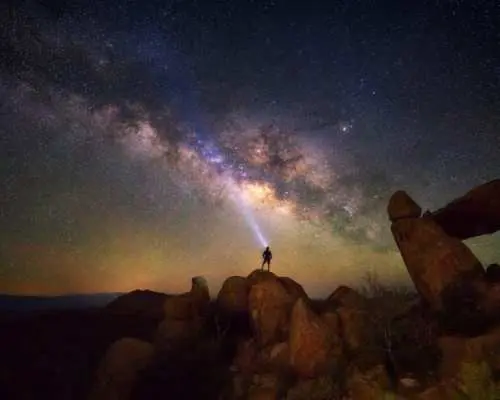
Big Bend National Park is renowned for its exceptional geological diversity, dramatic desert landscapes, and the majestic Chisos Mountains, which are entirely contained within the park. It's also famous for its expansive dark night skies, making it an International Dark Sky Park, and for the deep canyons carved by the Rio Grande, forming the international border with Mexico.
4. Can visitors explore Big Bend National Park primarily by driving?
Yes, Big Bend National Park is well-suited for exploration primarily by driving, making a self-guided audio driving tour an ideal way to experience it. The park features numerous scenic paved and unpaved roads that lead to various trailheads, viewpoints, and points of interest. While driving covers vast distances, many areas also offer short walks and overlooks directly accessible from the roads.
5. What are the estimated driving times for major routes within Big Bend National Park?
Driving times in Big Bend National Park vary depending on the route and stops. For example, driving the main park road from Panther Junction to Santa Elena Canyon (via Ross Maxwell Scenic Drive) can take 2-3 hours one way, including stops for viewpoints. The drive from Panther Junction to Chisos Basin is about 30 minutes, and to Rio Grande Village is about 45 minutes, without extensive stops. These are estimates; actual times depend on visitor pace.
6. Which scenic drives offer the most breathtaking views in Big Bend National Park?
Big Bend National Park offers several breathtaking scenic drives. The Ross Maxwell Scenic Drive is highly recommended for its views of volcanic formations and the iconic Santa Elena Canyon. Another must-experience is the Chisos Basin Road, which winds up into the mountains, offering stunning vistas of the "Window" and surrounding peaks. The unpaved Old Maverick Road provides a rugged desert experience leading to Santa Elena Canyon as well.
7. What is the most common way to access Big Bend National Park for a self-guided driving tour?
The most common way to access Big Bend National Park for a self-guided driving tour is by private vehicle, as the park covers a vast area with limited public transportation. Most visitors drive to one of the park's three main entrances: Persimmon Gap (north), Maverick Junction (west), or Santiago Peak (east, near Panther Junction). Planning your route in advance and downloading park maps are advisable for a smooth entry.
8. What type of wildlife can visitors expect to see in Big Bend National Park?
Big Bend National Park is home to a diverse array of wildlife, adapted to its desert and mountain environments. Visitors often spot javelinas, deer, coyotes, and various species of rabbits and rodents. The park is also a birder's paradise, with hundreds of bird species, including roadrunners and golden eagles. While rare, mountain lions and black bears inhabit the Chisos Mountains. It's important to observe wildlife from a safe distance and never feed them.


