
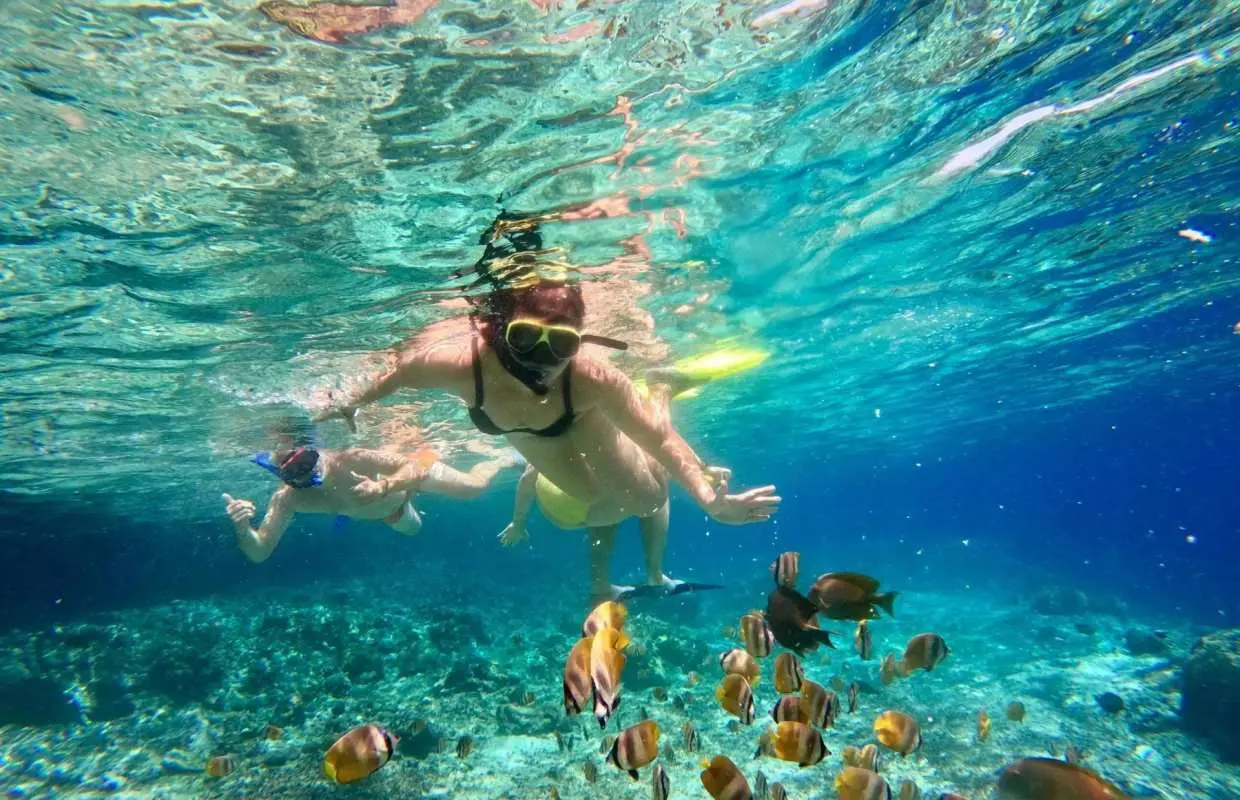

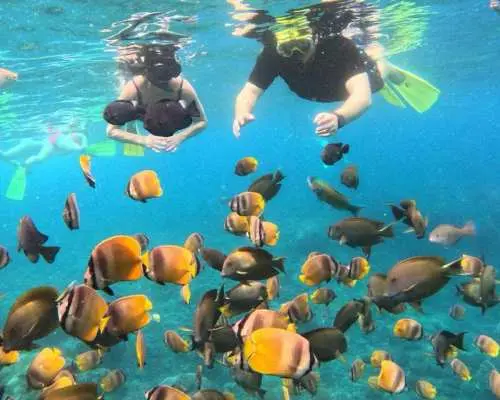
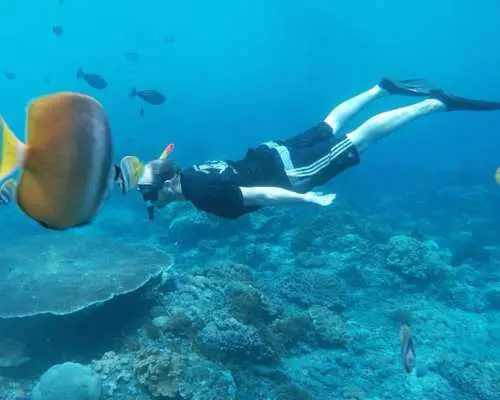

Nusa Penida 3-Point and 4-Point Snorkeling Experience (Manta Bay, Gamat Bay, Crystal Bay & Wall Point)
- Swim with Manta Rays! Nusa Penida 4-Spot Snorkeling Adventure
- Ultimate Nusa Penida Snorkeling: Manta Rays & Crystal Waters (4 Stops)
- Top 4 Snorkeling Spots in Nusa Penida – Manta Rays Encounter Tour
- Premium Nusa Penida Snorkeling Tour: 4 Stunning Spots Including Manta Point
- From July to September, sea conditions around Nusa Penida are generally rougher, especially at Manta Point. Visits to Manta Point are subject to sea conditions and safety assessments on the day, and alternative snorkeling spots may be arranged if necessary. For safety reasons, this activity is not recommended for guests who cannot swim or are not familiar with water activities.
Package Options
Product Info
What You Can Expect
Purchase Notice
- During the period from July to September each year, due to seasonal weather conditions and ocean currents, the sea around the four snorkeling spots in Nusa Penida is usually rougher than usual, especially around Manta Point, which is more significantly affected. As a result, the chance of visiting Manta Point may be lower during this period. The boat operator will determine the snorkeling locations based on the sea conditions and safety assessment on the day, and may replace Manta Point with other suitable snorkeling spots if necessary. Therefore, visits to Manta Point cannot be guaranteed. In addition, for safety reasons, guests who cannot swim, are uncomfortable with waves, or are not familiar with water activities are advised to carefully consider participating in this activity. If necessary, guests may choose to remain on the boat to ensure their safety and enjoy a more comfortable experience.
- Safety Remind : Be sure to follow the guide instructions and wear your snorkeling equipment, especially life jacket
- Respect Marine Life : Avoid touching or disturbing marine life and protect the coral reef ecosystem
- Manta ray sightings are not guaranteed as they are wild animals
- For safety reasons, the snorkeling spots may be changed or skipped depending on sea conditions
- Participants are responsible for their personal belongings; please avoid bringing valuables
- Participants should be in good health and comfortable in the water
- Not recommended for pregnant women , children below 12 years old or individuals with serious medical conditions
- Basic swimming ability is recommended for a better experience
- Please follow the guide at all times during snorkeling and do not swim too far from the group
- Avoid consuming alcohol before participating in the activity
- Boarding and disembarking the boat may require stepping into shallow water; please be prepared
- Underwater visibility may vary depending on weather and ocean conditions
Reminders
In case of delays caused by traffic, weather, or other force majeure factors resulting in the cancellation of some itinerary attractions, please contact customer service. We will arrange a partial refund for you
Travelers with the following conditions or other health issues that could be worsened by excessive stimulation should not participate in this activity: High blood pressure, Heart disease, Acrophobia, Asthma, Epilepsy, Pregnant women
Please arrive at the designated location 15 minute(s) before the scheduled departure time, as the tour will depart on time
How to Use
How to Use Your Voucher
- Please present the e-voucher on-site
Meeting Point
Location Name: Bali Ocean Rider Snorkeling
Address: Bali Ocean Rider Snorkeling, Ped, Klungkung Regency, Bali, IndonesiaExperience Location
Location Name: Ocean Rider Snorkeling
Address: Bali Ocean Rider Snorkeling, Ped, Klungkung Regency, Bali, IndonesiaMonday 07:45–14:00
Tuesday 07:45–14:00
Wednesday 07:45–14:00
Thursday 07:45–14:00
Friday 07:45–14:00
Saturday 07:45–14:00
Sunday 07:45–14:00
FAQ
1. What makes the Manta Point snorkeling experience in Nusa Penida unique and worthwhile?
Manta Point is renowned for its consistent sightings of majestic manta rays, offering a truly unique opportunity to swim alongside these gentle giants in their natural habitat. The experience provides stunning underwater photography chances and the thrill of encountering large marine life, making it a highlight for ocean lovers seeking an unforgettable adventure. The clear waters and the sheer size of the mantas create a breathtaking and memorable encounter.
2. Are there any safety concerns regarding marine life, such as sharks, when snorkeling at Manta Point in Nusa Penida?
While Manta Point is an open ocean environment, encounters with dangerous sharks are extremely rare. Manta rays themselves are filter feeders and pose no threat. Tour operators typically prioritize safety, providing experienced guides and briefings. It's always advisable to follow your guide's instructions, maintain a respectful distance from marine life, and ensure you are comfortable with snorkeling in open water. The focus is on safe and responsible wildlife interaction.
3. How does the snorkeling experience at Manta Point compare to other spots like Manta Bay in Nusa Penida?
Manta Point is an open-ocean site known for larger, more consistent manta ray sightings due to its deeper, more exposed waters. Manta Bay, while also a manta habitat, is typically shallower and more sheltered, sometimes leading to encounters with smaller or juvenile mantas. Both offer chances to see these creatures, but Manta Point generally provides a more dramatic and expansive experience in a wilder setting, often considered the primary manta ray destination.
4. Is snorkeling at Manta Point in Nusa Penida suitable for beginners, and what are the typical conditions?
Snorkeling at Manta Point can be done by beginners who are comfortable swimming in open water and have basic snorkeling skills. Conditions can vary, but the site can experience stronger currents and choppier waves compared to more sheltered bays. Life jackets are usually provided, and guides assist participants. It's important to be aware of the ocean environment, but with proper guidance and equipment, many beginners enjoy the experience.
5. How do travelers typically reach the departure point for the Nusa Penida snorkeling tour?
Travelers usually reach Nusa Penida by taking a fast boat from Sanur Beach in Bali, which is the main departure hub. Once on Nusa Penida, local transportation like scooters or private cars can take you to the specific snorkeling tour departure point, often a harbor or designated beach. Many tours offer optional hotel transfers from Bali or meet-up points directly on Nusa Penida for convenience.
6. What kind of marine life can be observed at Gamat Bay and Crystal Bay during the Nusa Penida snorkeling experience?
Gamat Bay is famous for its vibrant coral gardens and diverse small reef fish, including clownfish, angelfish, and various parrotfish. Crystal Bay offers incredibly clear waters and a chance to spot larger pelagic fish, sea turtles, and occasionally even Mola Mola (sunfish) during their season. Both spots boast healthy reefs, providing excellent visibility for exploring abundant underwater ecosystems.
7. What equipment is typically provided for the 4-point Nusa Penida snorkeling experience, and what should participants bring?
For the 4-point Nusa Penida snorkeling experience, tour providers typically supply snorkeling masks, snorkels, and fins. Life jackets are also commonly provided for safety. Participants should bring their own swimwear, towels, sun protection (reef-safe sunscreen, hats, sunglasses), a reusable water bottle, and a waterproof bag for personal belongings. Underwater cameras are also popular for capturing memories.
8. Besides manta rays, what other unique sights can be seen underwater at Wall Point in Nusa Penida?
Wall Point is characterized by its dramatic underwater drop-off, creating a 'wall' of coral teeming with life. Snorkelers can explore intricate hard and soft coral formations clinging to the vertical reef face. You might encounter various colorful reef fish, vibrant nudibranchs, small reef sharks (harmless), and occasionally larger pelagic species swimming along the wall. The unique topography makes it a fascinating dive/snorkeling site.


