


都江堰中華熊貓谷門票(隸屬成都大熊貓繁育基地野放區)
1、超近距離看熊貓:漫步生態步道,熊貓就在身邊3至5米活動,模樣超可愛;
2、原始山林環境:這裡不是動物園,是模擬野外棲息地的熊貓家園,就像走進森林;
3、其他珍稀動物:不只大貓熊,園區裡還住著20多隻小熊貓和鳥類,幸運能近距離觀察;
4、探尋歸國熊貓,寄託一份獨特的情感歸屬;
5、川港友誼見證:這裡是香港援建的重建項目,四川人民表達對香港來賓的感激之情。
Package Options
Attraction Tickets
| Ticket type | E-ticket (direct entry) |
| Exhibit type | Natural science |
| Attraction type | Ecology & conservation, Natural habitats |
| Natural scenery | Forests |
| Additional service & facility | Barrier free |
Product Info
景區地址:成都市都江堰市玉堂街道白馬村熊貓谷景區
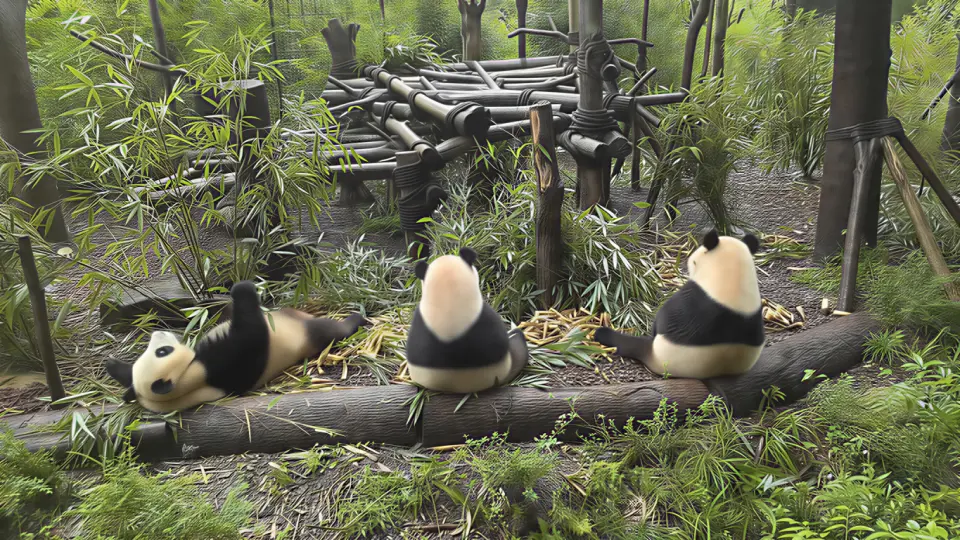
景點位於都江堰的熊貓谷,正式名稱為「成都大熊貓繁育研究基地都江堰繁育野放研究中心」,是成都大熊貓基地的重要分支機構。這裡的核心理念與傳統動物園截然不同,它肩負著大熊貓野化訓練的重任,旨在讓圈養熊貓逐步適應野外生活,最終回歸自然山林。正因如此,熊貓谷坐落在植被茂密、鄰近大熊貓自然分佈區的都江堰玉堂鎮,為這些國寶營造出一個接近真實野外環境的家園。 走進熊貓谷,首先感受到的是那份遠離喧囂的寧靜與盎然綠意。沿著生態步道前行,你可以在近乎自然的棲息地裡,近距離觀察10餘隻大熊貓最真實的生活狀態。看著牠們或攀爬上樹,或慵懶地抱著竹子大快朵頤,那份自在與萌態,往往就在遊客身邊3至5公尺處上演,帶來「人與自然和諧共生」的深刻感動。不僅如此,園區內還生活著20多隻活潑的小熊貓,牠們在生態放養區自由穿梭,幸運的話,還能見到被譽為「七彩鳳凰」的紅腹錦雞,這些都是大熊貓的伴生動物,讓參觀體驗更加豐富。 對於來自台灣的朋友而言,熊貓谷更有一份特殊的連結。這裡不僅多次接待台灣參訪團,更曾有台灣的校長們在此表達對大熊貓保育的感動與支持。2013年,成都大熊貓繁育研究基地更獲批成為四川首個「海峽兩岸交流基地」,至今已有7隻大熊貓由台灣愛心人士認養,每年到訪的台胞超過20萬人次。您可以在這裡參加科普課程,甚至在專業飼養員指導下,體驗為熊貓製作「豐容」玩具,親手為牠們的日常生活增添樂趣,用行動加入守護國寶的行列。 目前,熊貓谷全年對外開放,冬季(11月1日至4月30日)開園時間為08:00至17:30,夏季則延長至18:00閉園。從成都市區出發約50公里,是安排都江堰一日遊的絕佳去處。無論是想感受熊貓在自然環境中的魅力,或是體驗一場深度的生態保育之旅,都江堰熊貓谷都值得你專程造訪。
How to Use
How to Use Your Voucher
- Please present your e-voucher and passport on-site
FAQ
1. How can I purchase tickets for Dujiangyan Chinese Panda Valley?
You can conveniently purchase tickets for Dujiangyan Chinese Panda Valley through online travel platforms like KKday. Booking in advance through KKday ensures your entry and often provides a hassle-free experience, allowing you to secure your visit ahead of time and avoid potential queues upon arrival.
2. How long should I plan for a visit to Dujiangyan Chinese Panda Valley?
To fully experience Dujiangyan Chinese Panda Valley, it is recommended to allocate at least half a day, typically around 3 to 4 hours. This allows ample time to leisurely walk along the ecological trails, observe the giant pandas and red pandas in their naturalistic habitats, and appreciate the serene mountain forest environment without rushing.
3. Are there opportunities for close interaction or holding pandas at Dujiangyan Chinese Panda Valley?
While direct physical interaction such as holding pandas is generally not permitted to ensure the well-being and natural behavior of the animals, Dujiangyan Chinese Panda Valley offers visitors an incredibly close viewing experience. You can observe pandas active in their habitats from a distance of 3 to 5 meters along the ecological pathways, providing an intimate connection without disturbance.
4. What types of pandas and other animals can I expect to see at Dujiangyan Chinese Panda Valley?
Dujiangyan Chinese Panda Valley is primarily home to both giant pandas and red pandas. Beyond these charismatic species, the park is also dedicated to showcasing their co-existing plant life, local animal species, and the ecology of their natural habitat. Visitors may have the chance to observe over 20 red pandas and various bird species, contributing to a diverse wildlife viewing experience.
5. What are the best transportation options to reach Dujiangyan Chinese Panda Valley from Chengdu?
From Chengdu, you can take a high-speed train to Dujiangyan City, which typically takes about 30-40 minutes. From Dujiangyan railway station, you can then take a local taxi or bus to reach the Dujiangyan Chinese Panda Valley. Alternatively, express buses from Chengdu's major bus stations to Dujiangyan are also available, followed by local transport to the valley.
6. What kind of natural environment and viewing experience does Dujiangyan Chinese Panda Valley offer?
Dujiangyan Chinese Panda Valley provides a unique, original mountain forest environment, simulating a wild habitat rather than a traditional zoo. Visitors can walk along ecological trails amidst lush greenery, offering a feeling of being immersed in a forest. This setting allows for observing pandas in a more naturalistic and tranquil atmosphere, promoting their well-being and providing an authentic viewing experience.
7. What is the main difference between Dujiangyan Chinese Panda Valley and Chengdu Giant Panda Breeding Research Base?
The Dujiangyan Chinese Panda Valley is a wild release area affiliated with the Chengdu Giant Panda Breeding Research Base. Its primary focus is on the rehabilitation, research, and eventual reintroduction of pandas into the wild, offering a more natural, semi-wild forest environment for the pandas. In contrast, the Chengdu Giant Panda Breeding Research Base primarily focuses on giant panda breeding, reproduction, and public education in a more curated park setting.
8. Does Dujiangyan Chinese Panda Valley focus on any specific aspect of panda conservation or history?
Yes, Dujiangyan Chinese Panda Valley places a significant emphasis on the conservation of repatriated pandas, those that have returned to their native land. The valley serves as a crucial component of China's giant panda reintroduction program, aiming to help pandas adapt to wild environments. It also highlights the broader ecology of their natural habitat, showcasing co-existing plants and animals, providing a unique perspective on their overall conservation journey.


