



Mekong Delta Day Trip From Ho Chi Minh City|English/Chinese/Korean-Speaking Tour Guide|Vietnam
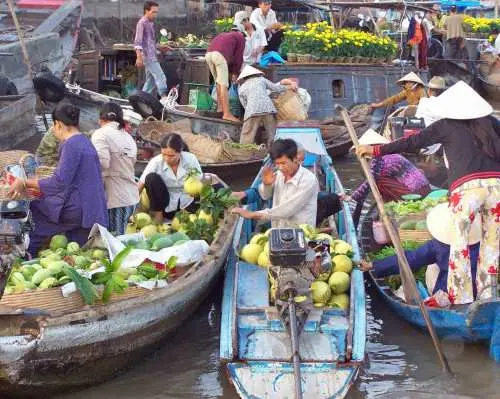
- Explore the serene beauty of the Mekong Delta by cruising along the picturesque canals
- Experience the daily life of locals, see traditional crafts like coconut candy making, and enjoy a leisurely horse-cart ride.
- Taste authentic Vietnamese dishes, including fresh fruits and traditional meals
Package Options


Product Info
Important Info
Reminders
We provide free pick-up and drop-off for hotels within center of District 1, Ho Chi Minh City (Except for Da Kao and Tan Dinh ward). If your hotel is outside of our pickup zone, please make your own arrangement to our meeting point in District 1 to join the tour
One day before your travel date, our operator will contact you via KKDay Chat to provide meeting instructions and confirm your pick-up time. We look forward to meeting you at the pick-up point on time. As this is a shared tour, the driver will only be able to wait for a maximum of 5 minutes beyond the scheduled pick-up time.
FAQ
1. How is the name of Vinh Trang Temple pronounced correctly?
The Vietnamese name for Vinh Trang Temple is "Chùa Vĩnh Tràng". The pronunciation is approximately 'Chua Vinn Chang', where 'Vĩnh' has a rising tone similar to the second tone in Mandarin, and 'Tràng' is a level tone. This temple is a famous historical and cultural landmark in the Mekong Delta region, blending architectural styles from Vietnam, China, and Cambodia, making it a highly recommended visit.
2. Why does the water in the Mekong Delta appear yellow?
The yellow color of the water in the Mekong Delta is primarily due to the large amount of silt and sediment carried downstream from the upper reaches of the river. This sediment originates from the alluvial processes as the Mekong flows through multiple countries. Especially during the rainy season, the faster water flow and stronger erosion wash soil and minerals into the river, making the water appear murky and yellowish-brown.
3. Which country is the Mekong Delta mainly located in?
The Mekong Delta is primarily located in southern Vietnam. It is a vast plain formed by the many tributaries of the Mekong River before it empties into the sea. It is renowned for its fertile land and abundant water resources, serving as an important agricultural region for Vietnam. This area is full of water town charm and possesses unique ecological and cultural landscapes.
4. Does the Mekong River flow through Thailand?
Yes, the Mekong River does indeed flow through Thailand. The Mekong River is approximately 4,909 kilometers long, making it the longest river in Southeast Asia. It originates in China and flows through Myanmar, Laos, Thailand, Cambodia, and Vietnam, eventually forming the Mekong Delta in southern Vietnam before emptying into the South China Sea. Parts of the border line in northeastern Thailand are formed by the Mekong River.
5. What unique cultural activities can be experienced in the local villages of the Mekong Delta?
In the local villages of the Mekong Delta, you can experience a rich array of cultural activities. These include tasting seasonal tropical fruits, sipping locally brewed honey tea, and enjoying folk music performances characteristic of southern Vietnam. Some tours also include horse-drawn carriage rides, allowing you to leisurely traverse the country lanes in a traditional manner and soak in the local pace of life.
6. What is the experience of taking a hand-rowed sampan through the Tan Thach canal?
Gliding slowly along the Tan Thach canal in a hand-rowed sampan is a very peaceful and unique experience. You will be paddled by a local boatman through narrow waterways surrounded by coconut groves on both banks, getting a close-up feel for the water town scenery of the Mekong Delta. This journey allows you to immerse yourself in the lush greenery of nature, observe the daily lives of the locals on the water, and is one of the best ways to experience the local ecology and culture.
7. What traditional production techniques can be learned at a coconut candy workshop in the Mekong Delta?
At a coconut candy workshop in the Mekong Delta, you can witness the traditional production process of coconut candy firsthand. This typically involves extracting coconut flesh from fresh coconuts, pressing out coconut milk, boiling and concentrating the milk into syrup, and finally solidifying it and cutting it into pieces for packaging. You will also have the opportunity to taste freshly made coconut candy and understand how this local specialty is transformed from natural ingredients into a delicious treat.
8. What are the architectural characteristics of Vinh Trang Temple?
Vinh Trang Temple is renowned for its unique architectural style, which blends cultural elements from Vietnam, China, and Cambodia. The temple's main hall and courtyards are exquisitely decorated with numerous intricate sculptures, bas-reliefs, and mosaic artworks. Its vibrant colors and solemn Buddha statues showcase multicultural influences, making it a representative religious structure in the Mekong Delta region.


