


1-Day Eco Adventure | Cat Tien National Park | From Ho Chi Minh City | Vietnam
- Explore the rich biodiversity of Nam Cat Tien National Park, a UNESCO-recognized biosphere reserve.
- Trek through lush tropical forests and discover rare wildlife species in their natural habitat.
- Visit scenic spots such as giant ancient trees, botanical gardens, and wildlife observation areas.
- Enjoy the fresh air, peaceful atmosphere, and stunning landscapes away from the city.
Package Options


Product Info
- What You Can Expect -
Spend a full day discovering the natural beauty of Nam Cat Tien National Park with a guided group tour. Stroll along forest trails, observe rare wildlife, and explore key attractions within this UNESCO-recognized biosphere reserve. Your entrance fees are covered, and your knowledgeable guide will share fascinating insights about the park’s rich biodiversity and history.
— Pick up policy —
- Pick-up/Drop off at customer's hotel: We will pick you up at your hotel in District 1 center including Bui Thi Xuan, Le Lai, Nguyen Trai (partial), Ton That Tung, Pham Ngu Lao, Bui Vien, Do Quang Dau, Phan Chu Trinh, Ly Tu Trong, Le Thanh Ton, Hai Ba Trung, Nguyen Hue, Dong Khoi, Ton Duc Thang, Nguyen Thai Binh, Vo Van Kiet, and surrounding areas. (Please provide us hotel address when booking)
- Note: Drop-off time is subject to traffic, weather...so the finished time could be later than expected.

We'll pick you up from your hotel in the city center of District 1. We'll then depart for Nam Cat Tien National Park in an air-conditioned vehicle, beginning your journey to explore the wild and pristine nature.

Arrive at Nam Cat Tien National Park. A local guide will welcome you and assist you with boarding a specialized Jeep.
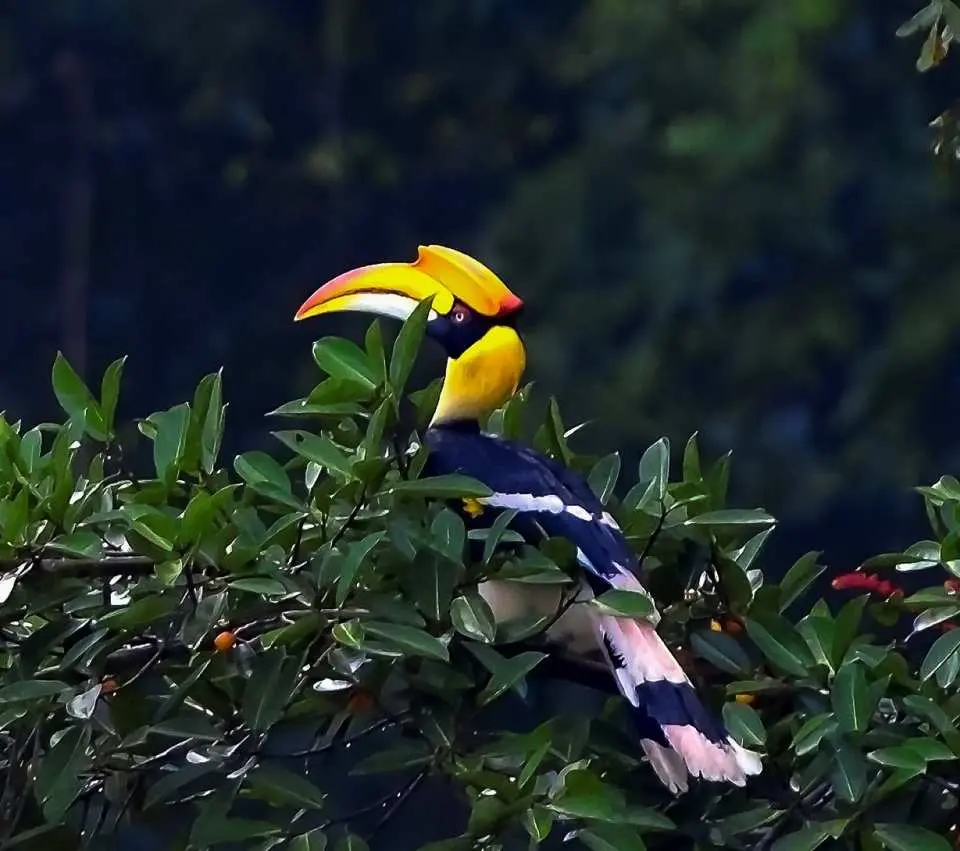
Along the trail, keep your eyes peeled for colorful birds, playful monkeys, and other fascinating wildlife. This is the heart of Nam Cat Tien National Park, home to many rare and endangered species. An unmissable experience for nature enthusiasts and adventure seekers alike!

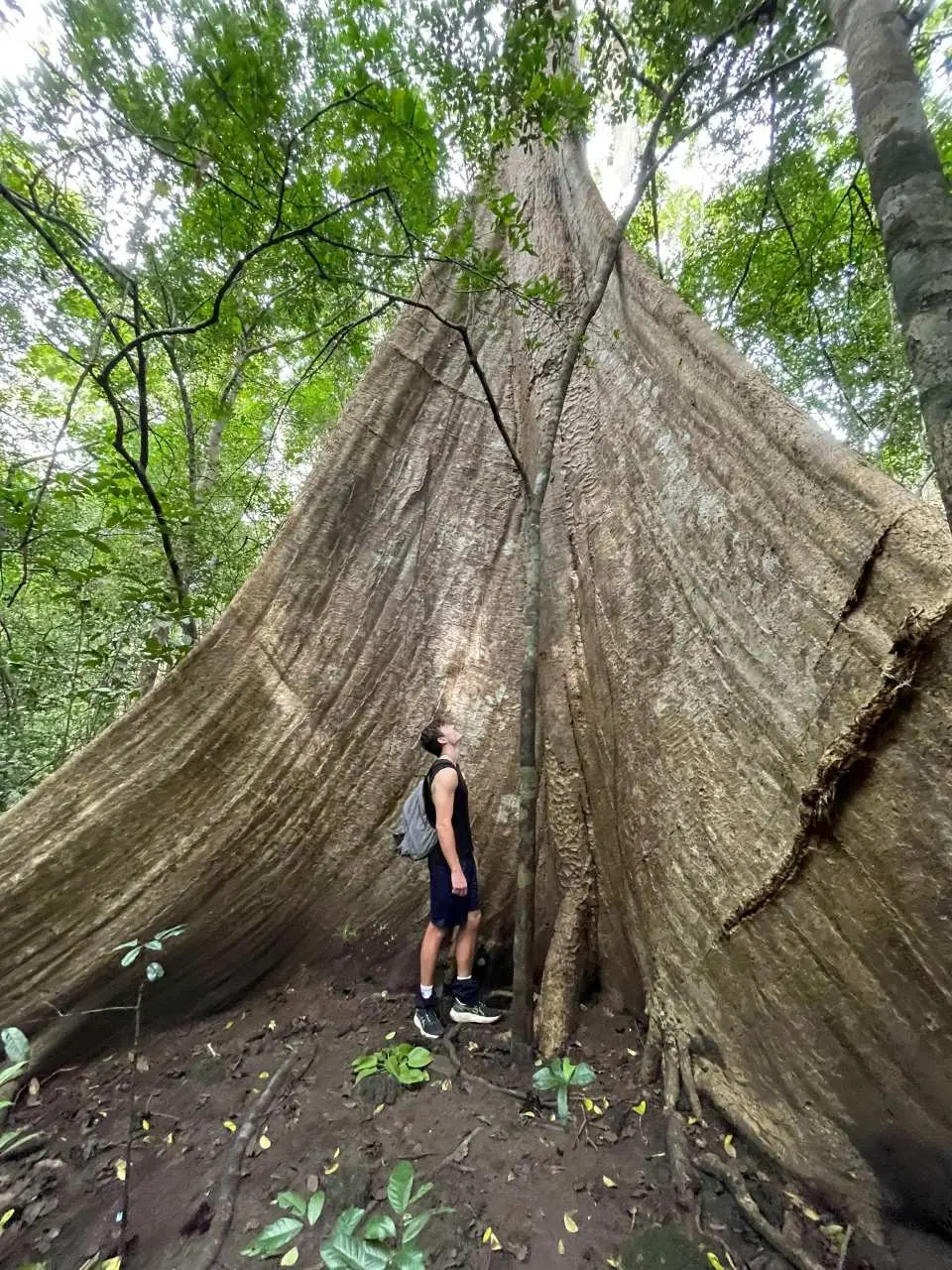
On the Way: Pause to marvel at the towering ancient Tung tree, an iconic symbol of Nam Cat Tien’s lush forest. Capture stunning photos beneath its sprawling branches and discover fascinating stories about the park’s unique ecosystem.
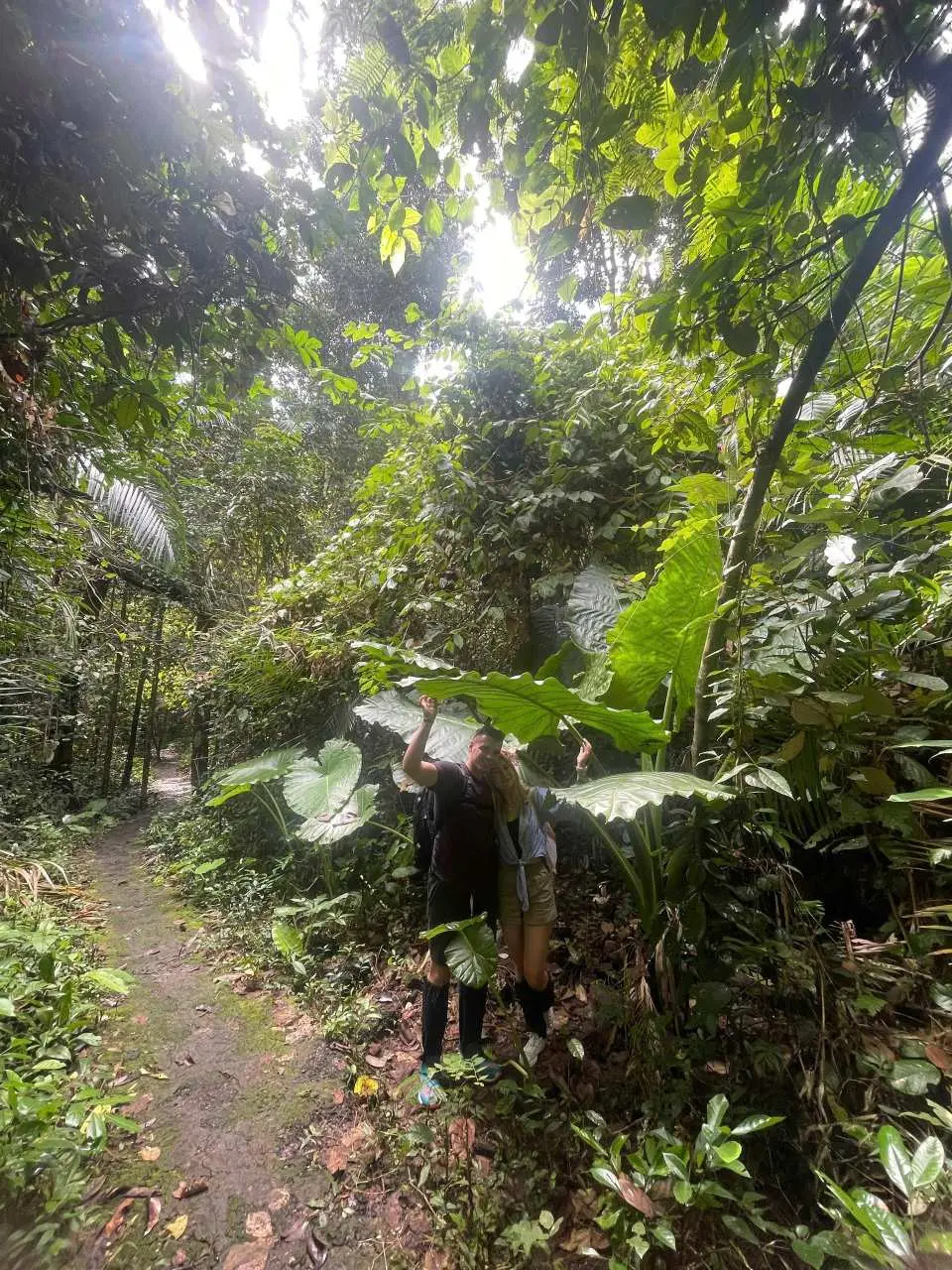
Inside the forest

Inside the forest

Arrive at Crocodile Lake (Bau Sau), a tranquil haven renowned for its untouched beauty and incredible biodiversity. Enjoy free time to wander, capture breathtaking photos, and soak in the peaceful atmosphere—far removed from the hustle and bustle of city life.

Savor a tasty lunch in the heart of the green forest, with nature as your dining companion. Afterward, unwind in a hammock, breathe in the crisp fresh air, and let the serene surroundings rejuvenate your senses.
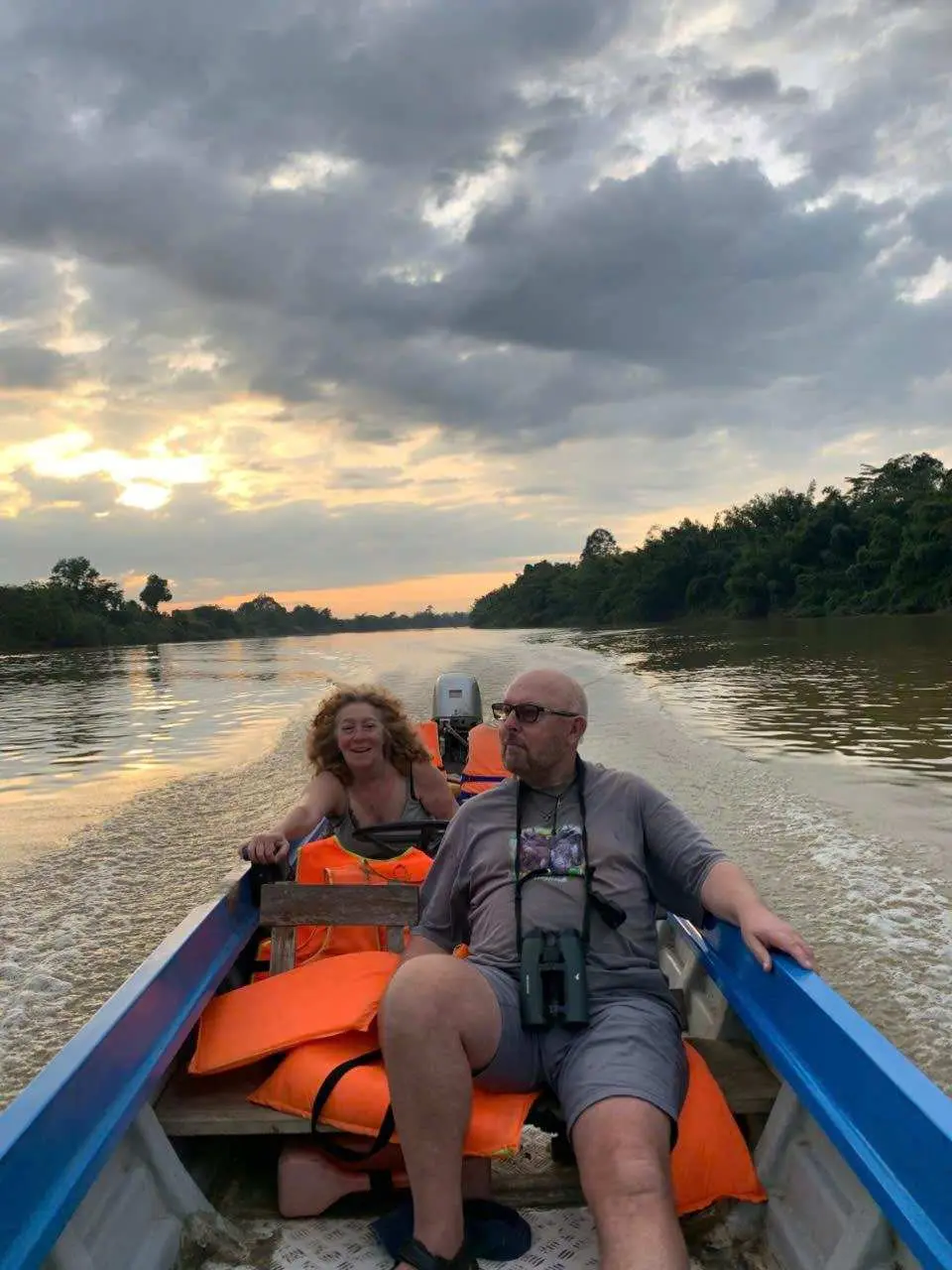
Begin your return journey to the forest’s edge, then board a boat for a scenic cruise along the Dong Nai River. As you glide through the tranquil waters, your local boatman will share fascinating stories and help you spot wildlife along the lush riverbanks.
16:30 The tour concludes as you board the vehicle for your return journey to Ho Chi Minh City.
Purchase Notice
- Please prepare a good pair of walking shoes suitable for forest trekking.
- The trekking route is approximately 5 km long, so participants are required to be in good physical condition. This activity is not recommended for children under 12 years old.
- Please also bring insect repellent when joining the tour.
Reminders
Step into comfort: Wear sturdy trekking shoes to make every step in the forest a breeze.
Stay protected: Bring a light jacket, hat, and sunscreen for changing weather and sunny trails.
Be bug-ready: Pack mosquito and leech repellent to keep your adventure bite-free.
Travel light: Keep your bag small and easy to carry so you can move freely through the jungle.
FAQ
1. What are the main attractions to explore in Nam Cat Tien National Park?
Nam Cat Tien National Park offers diverse attractions. Key highlights include the majestic Giant Tung Tree, an ancient and massive tree, and the Botanical Garden showcasing a wide array of plant species. Visitors can also explore the Dao Tien Endangered Primate Rescue Center and the Bear and Wildlife Rescue Center to learn about conservation efforts and see rescued animals. Additionally, numerous trekking trails lead through lush tropical forests, revealing the park's rich biodiversity.
2. Can visitors see elephants in Nam Cat Tien National Park?
While Asian elephants are historically native to Nam Cat Tien National Park, wild elephant sightings are exceptionally rare due to their low population numbers and shy nature. The park's focus is on protecting their habitat and ensuring their survival. Visitors are more likely to see signs of their presence rather than directly encountering them. The park offers rich biodiversity viewing but direct elephant encounters are not a guaranteed activity.
3. Is it possible to spot tigers in Nam Cat Tien National Park?
It is extremely unlikely to spot tigers in Nam Cat Tien National Park. Tigers are critically endangered in Vietnam, and their wild population is very small, making direct sightings virtually non-existent for visitors. The park is committed to protecting its diverse ecosystems and the wildlife within it, including apex predators, but direct encounters with tigers in the wild are not part of the visitor experience due to their critically low numbers.
4. What types of eco-adventure activities are available in Nam Cat Tien National Park?
Nam Cat Tien National Park offers a range of eco-adventure activities. Popular options include guided jungle trekking through lush tropical forests to discover rare wildlife species and reach scenic spots. Visitors can also enjoy bird watching, especially around Bau Sau (Crocodile Lake), and partake in night safaris to observe nocturnal animals. Cycling through the park's trails and boat trips on the Dong Nai River are also popular ways to explore the tranquil landscapes.
5. What essential health precautions should I consider for a visit to Nam Cat Tien National Park, particularly regarding malaria?
When visiting Nam Cat Tien National Park, it's wise to take several health precautions. While the risk of malaria is generally low, it's advisable to consult with a healthcare professional regarding malaria prophylaxis if you have concerns. Most importantly, use effective insect repellent, wear long-sleeved shirts and long pants, especially during dawn and dusk, and consider sleeping under a mosquito net if staying overnight in basic accommodations. Stay hydrated and carry basic first-aid supplies.
6. How can I travel to Nam Cat Tien National Park from major cities in Vietnam?
The most common way to reach Nam Cat Tien National Park is from Ho Chi Minh City. Visitors can take a public bus from Mien Dong Bus Station to Tan Phu district or directly to the park entrance. Another convenient option is to arrange a private car service, which offers flexibility. Many organized tours also provide comfortable round-trip transportation directly from Ho Chi Minh City, often including hotel pick-up and drop-off, making travel seamless for a 1-day eco adventure.
7. What typically is included in a 1-day eco adventure tour to Nam Cat Tien National Park?
A typical 1-day eco adventure tour to Nam Cat Tien National Park usually includes round-trip transportation from Ho Chi Minh City, ensuring a hassle-free journey. Park entrance fees are generally covered. The itinerary often features guided jungle trekking to discover the park's lush forests and main attractions, such as ancient trees and botanical gardens. Lunch at a local restaurant and the services of an experienced local guide who provides insights into the park's biodiversity and history are also standard inclusions.
8. Are there specific ancient trees or botanical gardens worth visiting within Nam Cat Tien National Park?
Yes, Nam Cat Tien National Park is home to several impressive natural landmarks. The Giant Tung Tree, an ancient and colossal tree estimated to be several centuries old, is a must-see attraction that offers a sense of the forest's grandeur. Additionally, the park features a dedicated Botanical Garden where visitors can observe and learn about a wide variety of native plant species, contributing to the park's recognition as a UNESCO-recognized biosphere reserve. These sites provide unique insights into the park's biodiversity.


