


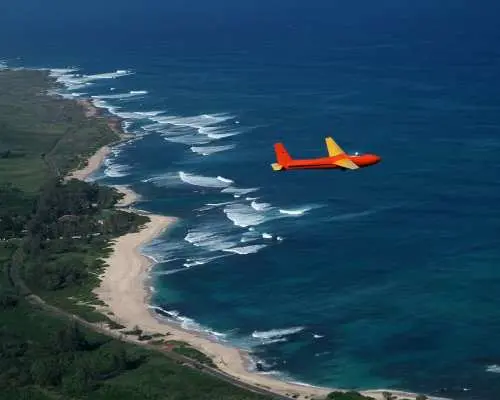
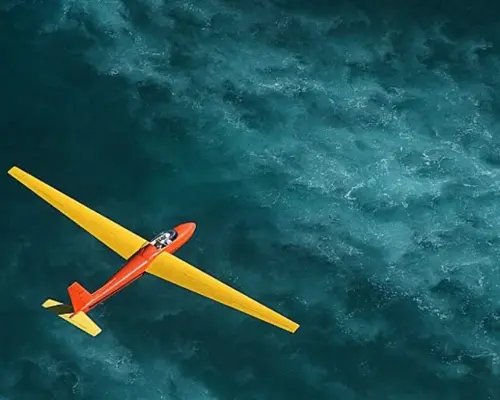

Hawaii Scenic Glider Tour (Non-powered flight / 1 or 2 people)
- A pure, unpowered flight experience
A peaceful sky journey, as if floating through the sky, flying solely on natural air currents without engine noise.
- Oahu's breathtaking views can only be seen from the sky
All at a glance: the Waianae Mountains, the North Shore, Waimea Bay, and Pearl Harbor!
- A special activity that even the Infinite Challenge members fell in love with
A unique experience famous for being the filming location for the popular variety show Infinite Challenge!
Package Options


Product Info
The content of this product is provided by machine translation and may not reflect the actual information, please take this into consideration before booking.
Non-powered glider tour 🛩️
That tour, famous for being the filming location for Infinite Challenge!
Experience the thrill of a different kind of flight as you ride the wind in a non-powered glider.
What is a Hawaii Scenic Glider Tour?
Experience flying over Hawaii in a non-powered glider with a professional pilot.
Beginning along the lush Waianae Mountains, you'll enjoy a leisurely aerial view of Hawaii's scenery from the back seat.
⚠️Check-in time: 11:40 AM / Flight start: 12:00 PM
⚠️Open on Wednesdays and Saturdays
Glider Tour


.


Glide through the sky, riding the wind and gliding silently without engine noise! From the tranquil sky, you'll gaze upon the azure ocean, the Waianae Mountains, Pearl Harbor, and even Diamond Head... The scenery, so indescribable in words, will likely remain in your memory for a lifetime.
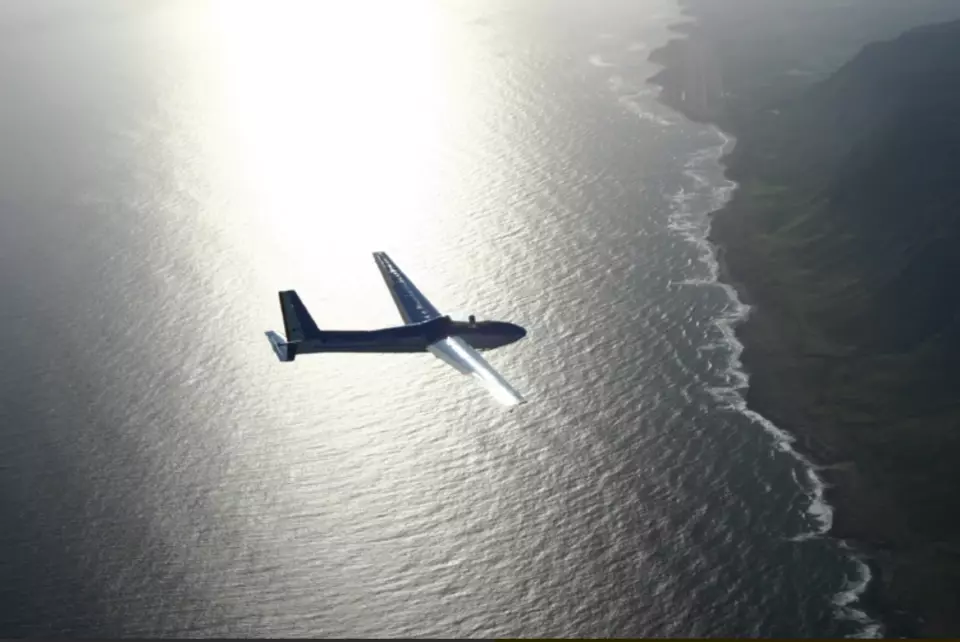

This safe tour is perfect for families and couples, from children to adults. With expert pilots, even beginners can enjoy the experience without worry!


The moment you soar on the wind, your journey transcends the ordinary. Book your flight now.


.


.


Purchase Notice
• It is difficult to participate in a tour within 24 hours after scuba diving.
• Participation is restricted for those who are taller than 195cm or weigh more than 122kg.
• If the combined weight of two people exceeds 158 kg, use is not permitted.
• Aerobatic options are not available for those weighing over 99 kg.
• Participation is available to those aged 3 years or older, and children under 12 years of age must be accompanied by a guardian.
• Not recommended for use by pregnant women, the elderly, people with heart disease, or those with a fear of heights.
• As this tour is greatly affected by weather conditions, there may be waiting times or cancellation depending on the on-site situation.
Cancellation Policy
- Cancellations 6 day(s) (inclusive) before the selected date are allowed. Unused orders can be canceled for free
- Cancellation is not allowed between 0–5 days from the selected date. Orders cannot be canceled or modified, and refunds will not be granted.
- Due to time zone differences, the confirmed cancellation date is based on the supplier’s local time. Please allow 2–5 business days to process your cancellation request, after which the cancellation fee will be charged according to the product’s cancellation policy. Once your refund request is confirmed, KKday will initiate the refund to your original payment method within 15 days. The actual refund timing depends on your card-issuing bank’s policy.
FAQ
1. Why can paragliders fly in Hawaii without an engine?
Motorless gliders primarily fly using principles of aerodynamics. After being towed to a certain altitude and released from the tow, they utilize rising air currents in the atmosphere (thermal updrafts or lift generated by terrain) to gain altitude and maintain flight. Their wing design efficiently generates lift, counteracting gravity, thus enabling a long gliding experience.
2. How do scenic gliders typically take off in Hawaii?
There are mainly two ways scenic gliders take off in Hawaii. The most common is 'aerotow launch,' where a light aircraft tows the glider to a predetermined altitude, after which the glider releases the tow rope and begins free gliding. Another method is 'winch launch,' which uses a ground-based winch to rapidly tow the glider skyward. On Oahu, aerotow is typically used to ensure a smooth start to your motorless flight at high altitudes.
3. Is participating in a motorless glider experience in Hawaii safe?
Motorless glider experiences in Hawaii are conducted under strict safety regulations. All pilots are professionally trained and hold valid licenses, and the gliders themselves undergo thorough maintenance checks regularly. Passengers receive a detailed safety briefing before the flight and wear safety equipment throughout. This activity is designed with safety in mind, aiming to provide a smooth and reassuring aerial flying experience.
4. What special sights can be seen from a scenic glider in Hawaii?
From a scenic glider in Hawaii, you will overlook the magnificent panoramic views of Oahu from a unique aerial perspective. This includes the rugged terrain of the Waianae Mountains, the coastline of the North Shore, the famous Waimea Bay, and historic landmarks like Pearl Harbor. These beautiful sights, experienced in the serene atmosphere of motorless flight, will offer a more breathtaking and unforgettable experience.
5. What are the main principles behind the flight of motorless gliders in Hawaii?
The flight of motorless gliders is primarily based on four aerodynamic principles: lift, weight, and drag. The special shape of the wings causes airflow above them to be faster than below, creating a pressure difference that generates upward 'lift' to counteract the aircraft's 'weight.' Simultaneously, flight creates 'drag.' Pilots seek 'updrafts,' such as thermal currents or dynamic lift caused by terrain, to gain altitude by circling upwards and extend flight time, thereby overcoming gravity and drag.
6. What preparations are needed before a scenic glider experience in Hawaii?
Before participating in a scenic glider experience in Hawaii, it is recommended to wear comfortable clothing and closed-toe shoes, and to bring sunglasses for eye protection. It is essential to follow all instructions from the professional pilot at all times. No prior flying experience is necessary, as the entire flight will be operated by an experienced pilot. Booking in advance is recommended to ensure a smooth itinerary.
7. What is unique about the motorless flight experience on a scenic glider in Hawaii?
The uniqueness of the motorless flight experience on a scenic glider in Hawaii lies in its purity and tranquility. Without the interference of engine noise, you can fully immerse yourself in the serene atmosphere above Hawaii, experiencing the freedom of soaring like a bird. This pure tranquility allows you to focus more on appreciating the stunning surrounding scenery, enjoying a truly immersive flight experience with nature, far from the daily hustle.
8. How do gliders maintain altitude and direction during flight in Hawaii?
During flight, gliders in Hawaii primarily maintain altitude by utilizing natural air currents and control direction through precise pilot manipulation. Pilots actively seek and use thermal updrafts or terrain-induced lift, gaining altitude through circling. Simultaneously, by manipulating the rudder, ailerons, and elevators in conjunction with aerodynamic principles, pilots can accurately control the glider's heading, turns, and pitch attitude, ensuring a stable flight along the intended route.


