


Huế Imperial Heritage Journey – Discover the Timeless Legacy
- Visit the UNESCO-listed Hue Citadel, Vietnam’s former imperial capital with 140 years of royal history.
- Explore iconic sites like the Imperial City, and royal palaces within the Dai Noi complex.
- Discover the unique beauty and architecture of Tu Duc, Minh Mang, and Khai Dinh Royal Tombs.
- Choose combo packages for flexible access to 3 or 4 major attractions across Hue’s cultural legacy.
- Book easily on KKday with instant confirmation and hassle-free entrance.
Package Options
Attraction Tickets
| Ticket type | E-ticket (requires redemption) |
| Attraction type | History & culture, Traditional house experience |
Product Info
- What You Can Expect -
Step into the heart of Vietnamese imperial history with a visit to Hue Imperial City, the cultural treasure that once served as the capital of the Nguyen Dynasty. Enclosed by 10 km of fortress walls, the sprawling 500-hectare site features three layered complexes: Kinh Thanh (Citadel), Hoang Thanh (Imperial City), and Tu Cam Thanh (Forbidden Purple City). From the majestic Ngo Mon Gate to the ceremonial Thai Hoa Palace, every corner reveals centuries of royal elegance and Confucian tradition.
Beyond the walls of Dai Noi, travelers can explore the royal tombs of Tu Duc, Minh Mang, and Khai Dinh, each one a harmonious blend of architecture, natural landscape, and spiritual symbolism. Whether you're wandering through poetic pine forests or admiring East-West architectural fusion, Hue’s historical landmarks promise a journey into Vietnam’s regal past. Choose from single-site or combo tickets and book now on KKday for a smooth, culturally rich experience.
- Tourist Attraction Overview -
- Operating hours : 8:00 AM – 5:00 PM (daily, including weekends & holidays)
- Last admission: 4:00 PM
- Ticket options: Single tickets or combo (3-site and 4-site passes)
- Travel tip: Allocate half to a full day for the full experience

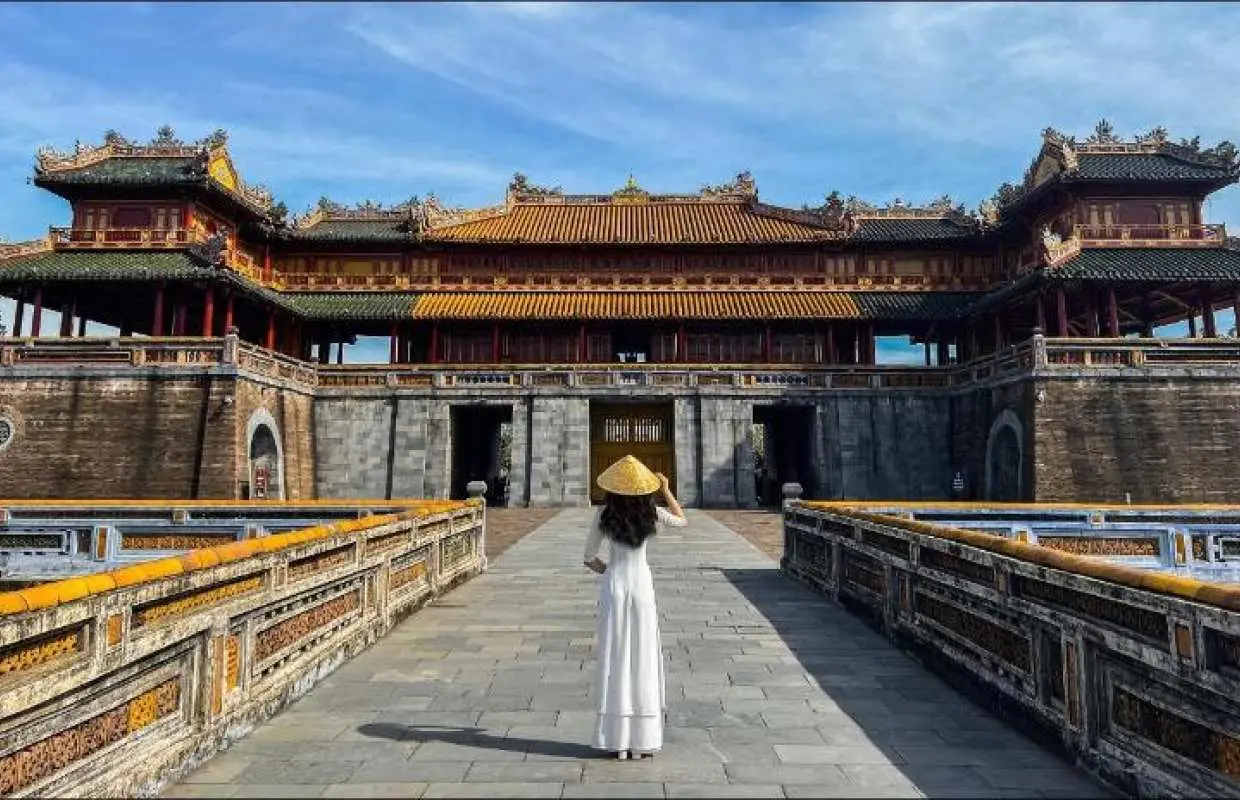
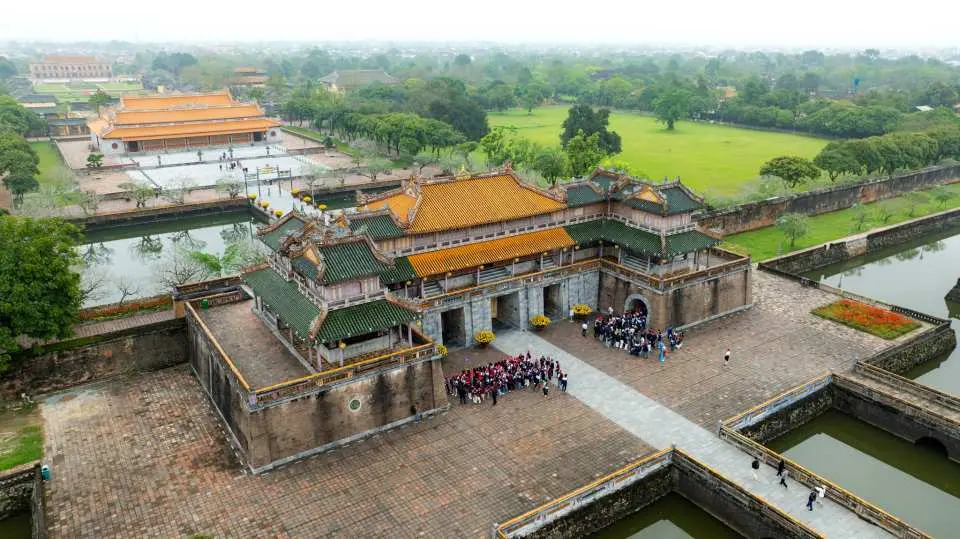
Towering fortress gates lead into Hue’s vast citadel complex lined with lotus ponds and imperial courtyards.

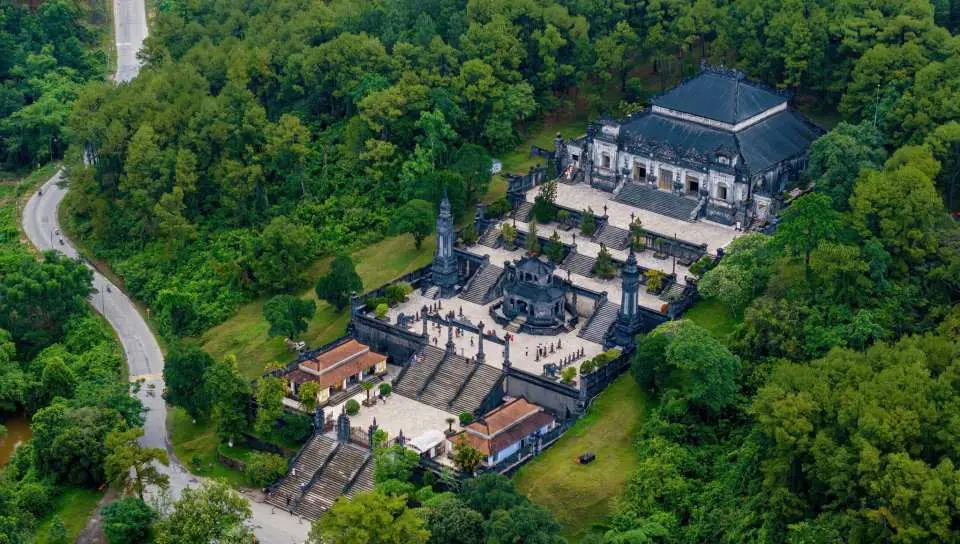
A tranquil path winds through pine-covered hills toward Minh Mang’s stately lakeside tomb.
Intricately carved stone dragons guard the steps of Khai Dinh Tomb, blending Eastern and Western design.
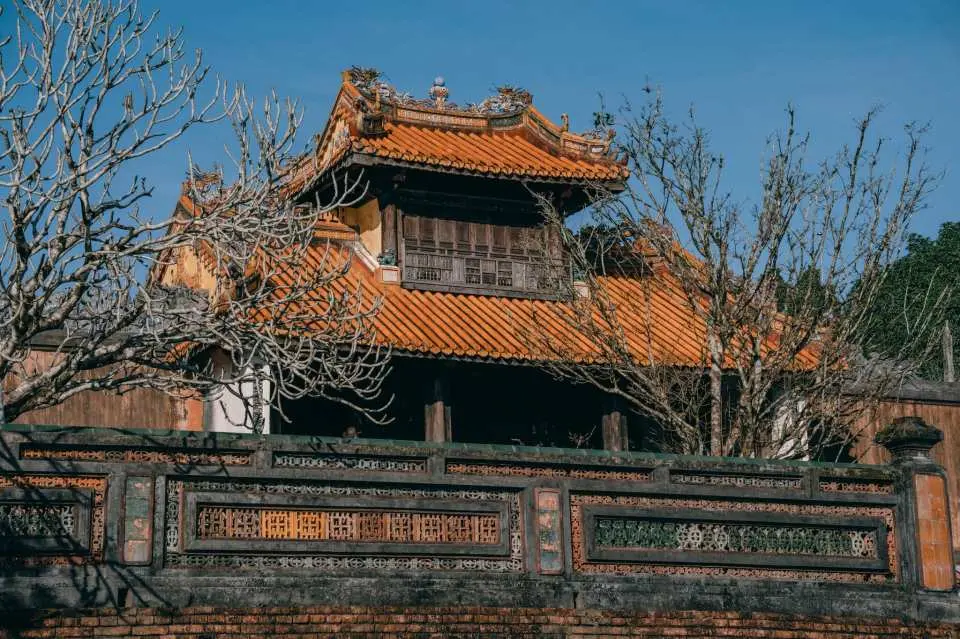
Sunlight filters through mossy brick walls at Tu Duc Tomb, evoking poetry and royal nostalgia.


Important Info
Reminders
The QR code will be sent to you 1 day before your visit. You can only enter each attraction once.
Kindly note that KKday prices include payment processing fees and booking fees.
Photography is allowed but restricted in certain royal worship areas.
Dress modestly in respect for the site’s cultural and spiritual significance.
Visitors must comply with posted rules and follow designated paths during the visit.
How to Redeem Your Voucher
How to Use Your Voucher
- Please present the e-voucher on-site
Experience Location
Location Name: The Complex of Hue Imperial Monuments
Address: Imperial City, Phú Hậu, Huế, Thua Thien Hue, VietnamLocation Name: Tu Duc Tomb
Address: Tu Duc Tomb, Cầu Đông Ba, thôn Thượng, HuếLocation Name: Ming Mang Tomb
Address: Ming Mang Tomb, ấp An Bằng, phường Long Hồ, quận Phú Xuân, Thành phố HuếLocation Name: Khai Dinh Tomb
Address: Khai Dinh Tomb, Núi, Châu Chữ, quận Thuận Hóa, Thành phố Huế 530000, VietnamFAQ
1. What are the key historical sites within the Complex of Hue Imperial Monuments?
The Complex of Hue Imperial Monuments, a UNESCO World Heritage site, encompasses the Hue Imperial City (Dai Noi), a vast walled citadel, and several royal tombs located outside the city. Key sites within the Imperial City include the Forbidden Purple City, royal palaces, and temples. Outside, you can explore the unique architectural and historical significance of the royal tombs, such as those of Emperor Tu Duc, Emperor Minh Mang, and Emperor Khai Dinh, each reflecting different eras and artistic styles.
2. Is a visit to the Hue Imperial City and the Royal Tombs recommended for history enthusiasts?
Absolutely. The Hue Imperial City, Vietnam’s former imperial capital, offers a deep dive into 140 years of royal history with its intricate architecture, palaces, and temples. The royal tombs, particularly those of Tu Duc, Minh Mang, and Khai Dinh, are masterworks of Vietnamese design, blending natural landscapes with elaborate structures. History enthusiasts will appreciate the rich cultural legacy and the stories embedded in every corner of these sites.
3. What is the recommended duration to thoroughly explore the Hue Imperial City?
To thoroughly explore the Hue Imperial City, including the Citadel, Imperial City, and Forbidden Purple City, it is recommended to allocate at least half a day, approximately 3 to 4 hours. This allows ample time to appreciate the architecture, visit the various palaces and temples, and absorb the historical atmosphere without rushing. If you plan to visit multiple royal tombs outside the city, additional time will be needed for each.
4. What are the convenient transportation options for visiting the Hue Imperial City and various Royal Tombs?
To visit the Hue Imperial City and the scattered Royal Tombs, several convenient options are available. Within the city, cyclos (pedicabs), taxis, or ride-hailing services are effective for reaching the Imperial City. For the royal tombs, which are often located several kilometers outside, hiring a private car with a driver, taking a taxi, or joining a guided tour are highly recommended for efficiency and comfort. Motorbike rentals are also popular for independent travelers.
5. What does the ticket for the Complex of Hue Imperial Monuments cover, and what is the process for purchasing it?
The ticket for the Complex of Hue Imperial Monuments typically grants access to the UNESCO-listed Hue Citadel, which includes the Imperial City and its royal palaces. It can also cover several royal tombs like those of Tu Duc, Minh Mang, and Khai Dinh, depending on the specific access option chosen. You can conveniently purchase your ticket online through KKday, which offers instant confirmation and hassle-free entrance. Booking through KKday provides a streamlined process, saving time and ensuring a smooth start to your heritage journey.
6. What distinct architectural styles are featured at the Tu Duc and Khai Dinh Royal Tombs?
The Tu Duc Royal Tomb showcases a harmonious blend of traditional Vietnamese architecture and natural landscapes, designed to integrate seamlessly with its surroundings, featuring lakes, pavilions, and temples. In contrast, the Khai Dinh Royal Tomb exhibits a unique fusion of Vietnamese, French, and even hints of Indian architectural styles, characterized by elaborate mosaics, intricate porcelain, and a grand, imposing stone structure that reflects a more modern, eclectic aesthetic.
7. When is the best time of day to visit the Hue Imperial City to avoid crowds and enjoy the atmosphere?
To best enjoy the tranquil atmosphere and avoid larger crowds at the Hue Imperial City, it is generally recommended to visit early in the morning, right after opening, or later in the afternoon, a few hours before closing. Morning visits benefit from cooler temperatures and softer light for photography, while late afternoon allows for observing the city as the sun begins to set, offering a different, often more serene perspective.
8. What is the historical significance of the Dai Noi complex located within the Hue Imperial City?
The Dai Noi complex, also known as the Imperial City, served as the administrative and political center of the Nguyen Dynasty for over 140 years, from 1802 to 1945. It was the residence of the emperor and the royal family, housing numerous palaces, temples, and the Forbidden Purple City, where only the emperor, his consorts, and eunuchs were permitted. Its layout and design reflect ancient geomancy principles, symbolizing the emperor's divine rule and power.


