


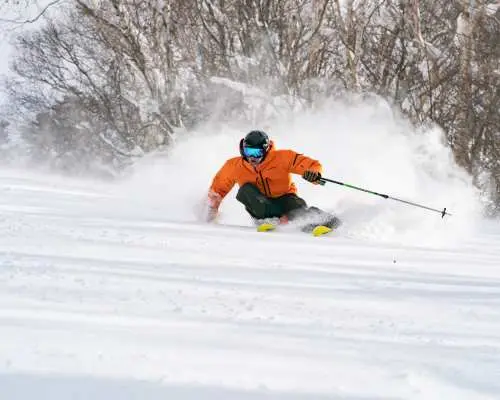
Hokkaido Powder Belt Pass 5-day common lift ticket
- A common lift ticket that can be used at three ski resorts: Furano Ski Resort, Hoshino Resort Tomamu, and Kamui Ski Links.
- You can freely choose a ski resort based on the weather, snow conditions, and your stay style.
- Tickets are valid for up to 10 days from the date of issue! ( Remaining days cannot be carried over to the next season)
Product Info
The content of this product is provided by machine translation and may not reflect the actual information, please take this into consideration before booking.
- Product information -
The Hokkaido Powder Belt Pass 5-day ticket is a common lift ticket that can be used at three ski resorts in the Hokkaido Powder Belt area: Furano Ski Resort, Hoshino Resort Tomamu, and Kamui Ski Links.
■Usage period: Saturday, December 20, 2025 to Tuesday, March 31, 2026 Opening times vary by ski resort. Please check the website of each ski resort for details.
■Expiration date: From the date of use until the end of the season.
■Starting time: At each ski resort, the gondola and lift can be used during the same times and in the same areas as the regular adult one-day ticket.
■Business hours: At each ski resort, the gondola and lift can be used at the same times and in the same areas as the adult one-day ticket (normal). Please check the website of each ski resort in advance for the operating status of the ski resort on the day of use (holidays, non-operating days, snow information, etc.). Operating periods and service contents may change depending on the weather, course conditions, etc.
- Ticket exchange method -
■After making a reservation, you will receive a URL within one month before the date of use. Access the URL provided, select the first ski resort you will use before the date of use, and generate a QR code.
■Tickets must be redeemed at the ski resort selected when the QR code was generated.
■Reservations cannot be cancelled after the QR code has been generated.
■Hold the QR code on your electronic voucher over the automatic ticket machine to receive your ticket.
■If you are unsure of how to use it, please ask a nearby ski resort staff member.
*If you want to change the ski resort you initially use, you can cancel the QR code you generated yourself on the reservation screen and select the ski resort again.
■ Ticket exchange location
①Furano Ski Resort
・Automatic ticket vending machine next to Furano Station Ticket Center
・Automatic ticket vending machine next to Kitanomine Station Ticket Center
・New Furano Prince Hotel GF floor hotel ticket counter (automatic ticket vending machine)
②Hoshino Resort Tomamu Ski Resort
・TW (Tower) Mountain Ticket Office
③ Kamui Ski Links
・Pickup Box next to the stairs in the center house
*See the separate sheets for details: "kamui", "furano", and "tomamu"
Ski resort photo set


Night Skiing


Purchase Notice
- This product can only be used by those who ski or snowboard. (It is not a tourist lift ticket, so it cannot be used by those who do not ski or snowboard.)
- Night games are not available.
- Tickets are valid for up to 10 days from the date of issue and can be used on any 5 days within that 10-day period, including the date of issue.
- It cannot be carried over to the next season.
- If your lift ticket (IC card) is damaged or lost, it will not be reissued.
- We are not responsible for any accidents that occur within the ski resort.
- Once the QR code has been generated, cancellations and refunds cannot be made for any reason. Remaining days will not be refunded.
- Please make sure you have an internet connection when you go to the ski resort. If you are not able to connect to the internet, you may not be able to exchange your ticket.
Includes/Excludes
How to Redeem Your Voucher
How to Use Your Voucher
- Please present the e-voucher on-site
Validity Period
- Valid for use within 10day(s) from the date of issue; Invalid after expiration
- Tickets are valid for up to 10 days from the date of issue and can be used on any 5 days within that 10-day period, including the date of issue.
Experience Location
Location Name: Furano Ski Resort
Address: 〒076-8511 Nakagoryo, Furano City, HokkaidoPlease check the ski resort's website for the latest operating periods and opening hours.
Location Name: Hoshino Resorts Tomamu
Address: Nakatomamu, Shimukappu Village, Yufutsu District, HokkaidoPlease check the ski resort's website for the latest operating periods and opening hours.
Location Name: Kamui Ski Links
Address: 112 Nishioka, Kamui-cho, Asahikawa City, Hokkaido 074-1181Please check the ski resort's website for the latest operating periods and opening hours.
Cancellation Policy
- Once the order has been completed, it cannot be canceled, modified, or refunded
- Due to time zone differences, the confirmed cancellation date is based on the supplier’s local time. Please allow 2–5 business days to process your cancellation request, after which the cancellation fee will be charged according to the product’s cancellation policy. Once the cancellation is confirmed, you will receive your refund within 14 working days.
FAQ
Furano Ski Resort offers diverse terrain suitable for all skill levels, with excellent groomed runs for intermediates and dedicated areas for beginners, alongside challenging slopes for experts. Hoshino Resort Tomamu caters well to families and all levels with its modern facilities and varied runs, including some steeper options. Kamui Ski Links is renowned for its light, dry powder and fantastic tree skiing, making it a favorite among advanced skiers seeking exhilarating off-piste experiences, while also providing beginner-friendly zones.
Furano Ski Resort is known for its long, well-groomed runs and some of Hokkaido's steepest pitches, having hosted World Cup events. Hoshino Resort Tomamu offers a unique resort experience with its iconic Tower Resort, Snow Park, and non-ski attractions like the Ice Village and Mina-Mina Beach indoor wave pool. Kamui Ski Links is celebrated for its superb quality powder snow and exceptional tree runs, providing a less crowded environment ideal for powder hounds and those looking for a natural skiing experience.
The optimal period for the best snow conditions in Hokkaido, including resorts like Furano, Tomamu, and Kamui, typically spans from mid-December to early April. The peak powder season is generally from mid-January to late February, when consistent snowfall delivers legendary deep, dry powder. Early December offers good base snow, while March and early April can still provide excellent conditions with warmer temperatures and longer daylight hours.
For travelers heading to Furano Ski Resort, Hoshino Resort Tomamu, or Kamui Ski Links, New Chitose Airport (CTS) is the primary international gateway to Hokkaido. From CTS, you can reach these resorts via JR trains, direct bus services, or resort shuttles. Alternatively, Asahikawa Airport (AKJ) is a smaller domestic airport located closer to Furano and Kamui Ski Links, offering more direct access to these specific areas, often with bus connections directly to the resorts.
While direct public transportation between all three resorts can be limited, options vary. To travel between Furano and Kamui Ski Links, you can use local bus services from Furano city to Asahikawa, and then transfer to a bus for Kamui. For Furano and Hoshino Resort Tomamu, some private shuttle services operate, especially during peak season, or you can utilize the JR train system with transfers. Renting a car provides the most flexibility for exploring the Hokkaido Powder Belt region and moving between these ski resorts at your own pace.
Yes, local transportation options are available at each resort. Furano Ski Resort is served by local buses connecting to Furano Station, and many hotels provide internal shuttles. Hoshino Resort Tomamu offers free internal shuttle buses that connect its various facilities, including hotels, slopes, and attractions. For Kamui Ski Links, regular bus services operate from Asahikawa Station. It is advisable to check the latest schedules and routes with the respective resort or local transportation providers for specific access details.
When using public transportation in Hokkaido, including routes that serve ski resort areas, common payment methods include cash, particularly for local buses where exact change may be required. Additionally, various IC cards like Kitaca (Hokkaido's local card), Suica, Pasmo, and Icoca are widely accepted on JR trains and many bus lines in major cities and surrounding areas. For longer-distance bus or train tickets, you can often purchase them at station ticket counters.
Yes, IC cards such as Suica, Pasmo, and Hokkaido's local Kitaca card are generally accepted on JR trains and many local bus lines that operate in and around Hokkaido's ski areas, including the regions near Furano, Tomamu, and Kamui. These cards offer a convenient cashless way to pay for public transport. However, it's wise to carry some cash as a backup, as very small, private shuttle services or buses in more remote areas might not accept IC card payments.
Get Help


