




American Museum of Natural History Ticket | New York
Embark on an exhilarating adventure at the American Museum of Natural History! Book with KKday now to unlock exclusive access to an awe-inspiring collection of 36 million specimens and cultural treasures. Don't miss out on this epic journey!
- Skip the crowds and bypass those never-ending lines by securing your tickets in advance
- Unleash your curiosity as you gain exclusive entry to captivating permanent and mind-blowing temporary exhibitions
- Embark on an extraordinary journey through time and knowledge in an unrivaled institution where science, education, and culture collide in a spectacular explosion of wonder!
Attraction Tickets
| Ticket type | E-ticket (direct entry), Reserve on your own |
| Exhibit type | Natural science, Historical exhibits |
| Tour types | None |
Product Info
— Important Announcements —
- After booking, kindly visit the official website to make a reservation by clicking on "Reserve Tickets". Failure to do so may result in being denied entry. Remember to bring both your ticket and reservation email when you visit the attraction
- For the most up-to-date Health and Safety guidelines, please refer to this website
— What You Can Expect —
Experience an unforgettable journey at the American Museum of Natural History! Leave the lines and crowds behind as you secure your tickets in advance with KKday.
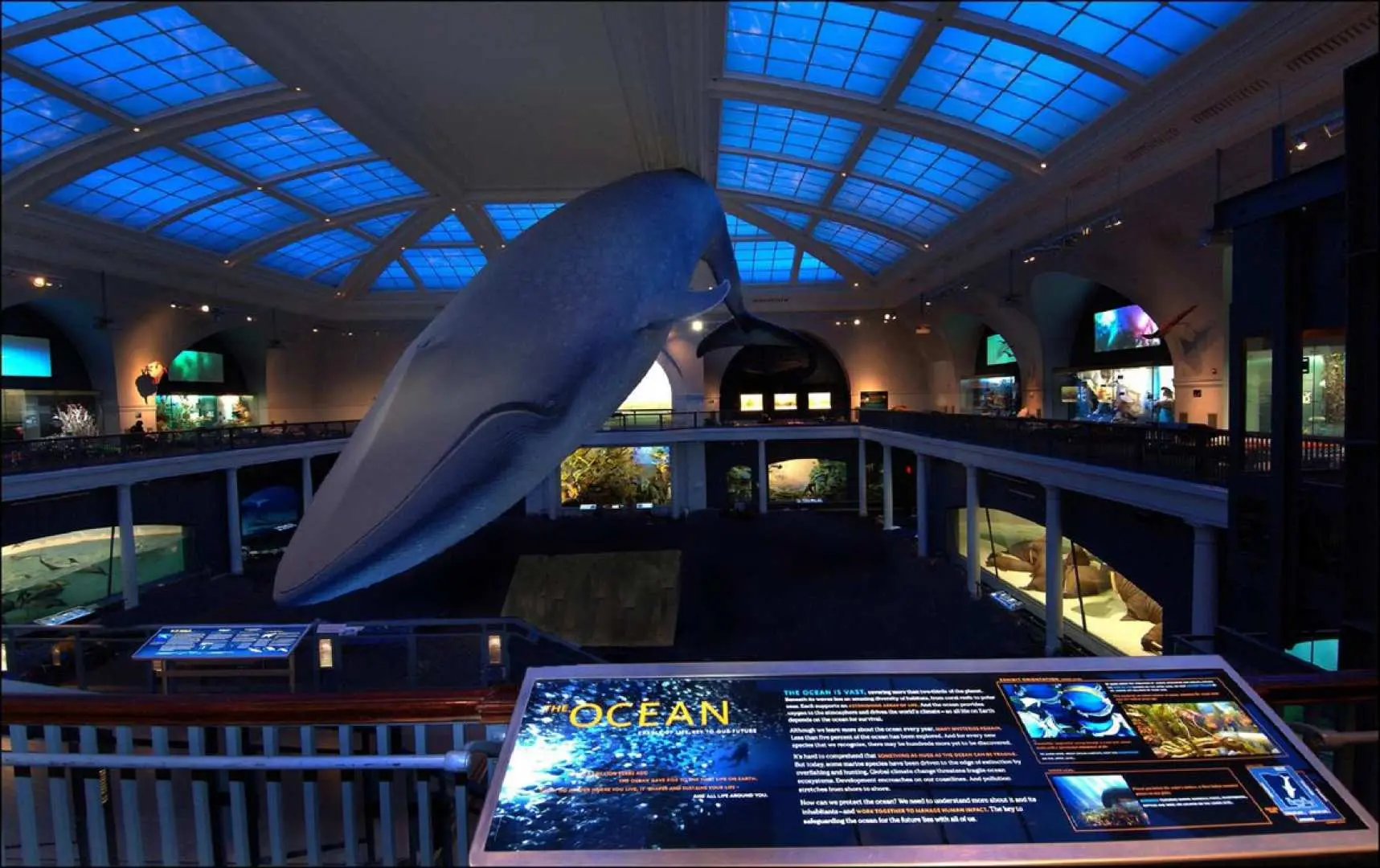
Prepare to be awe-struck as you enter the magnificent Hintze Hall, where a breathtaking sight awaits—an enormous blue whale skeleton suspended from the soaring rotunda ceiling. Immerse yourself in the museum's captivating exhibition halls, marveling at star specimens such as the Alaska Brown Bear, the Great Canoe, Mammoths, and the Willamette Meteorite.
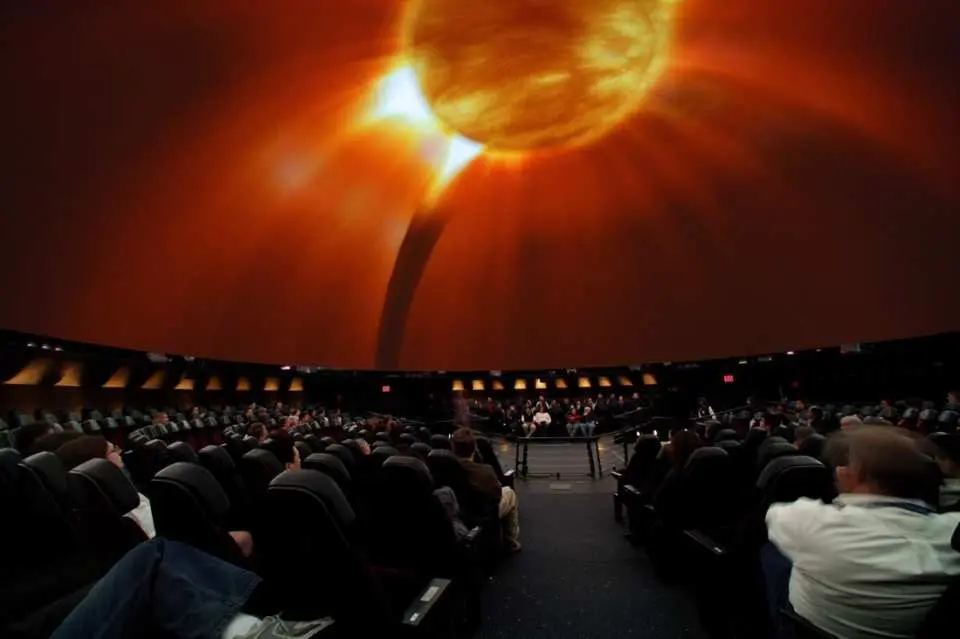
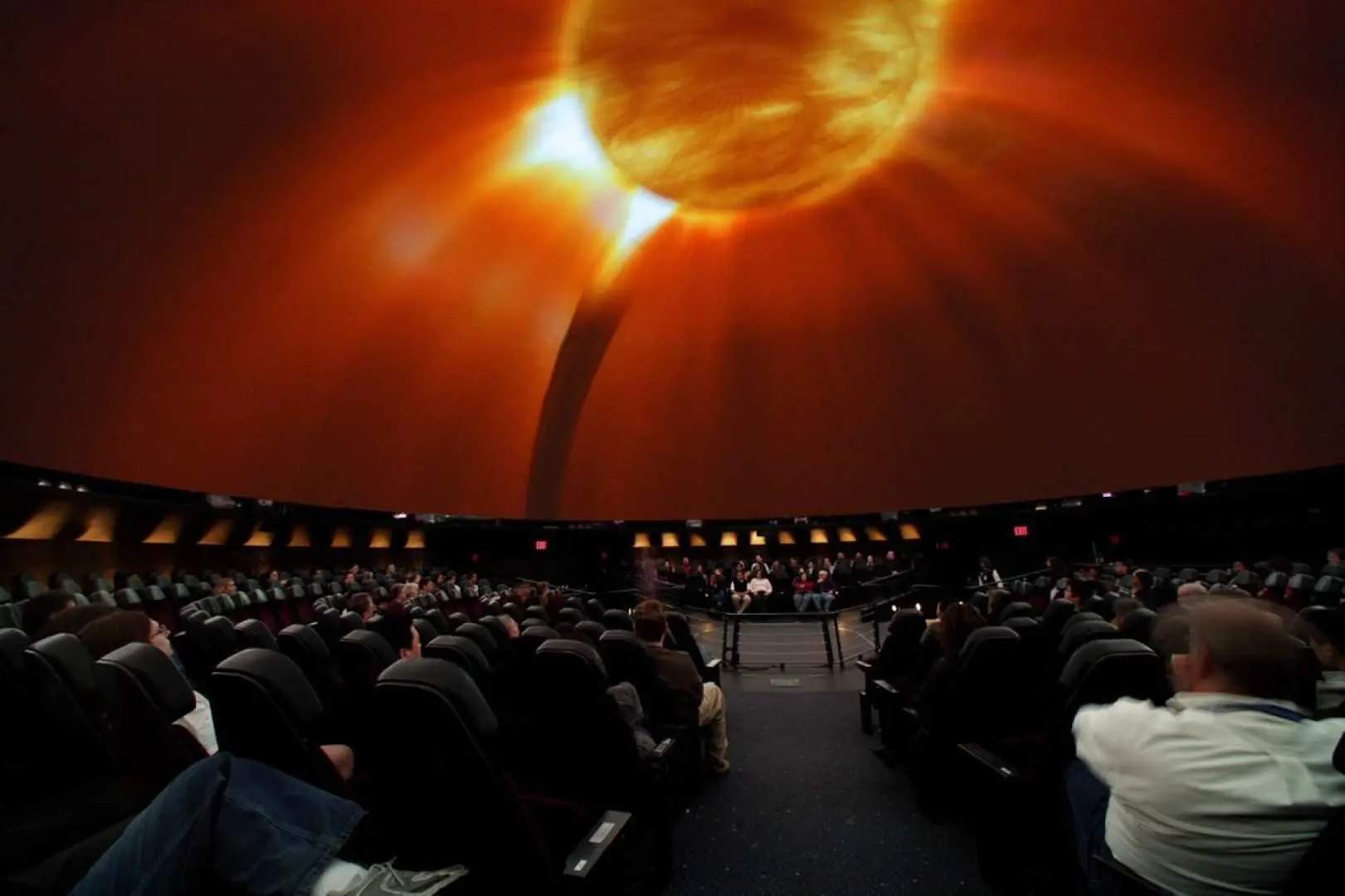
Upgrade your adventure with a General Admission + One ticket, granting you access to special exhibitions, the Space Show, or the IMAX theater. Don't miss the chance to visit the Hayden Planetarium Space Theater, located in the top half of the Hayden Sphere. Look up in wonder as the digital dome projection screen transports you to hyper-realistic views of planets, star clusters, and galaxies.
Don't waste time standing in line—reserve your tickets in advance with KKday and embark on an extraordinary journey filled with wonder and excitement.
Don't forget to click the second checkbox to secure your reservation


What You Can Expect
1 Day
- Experience the wonders of the American Museum of Natural History
- Choose General Admission + One to explore the fascinating world of space travel at Hayden Planetarium
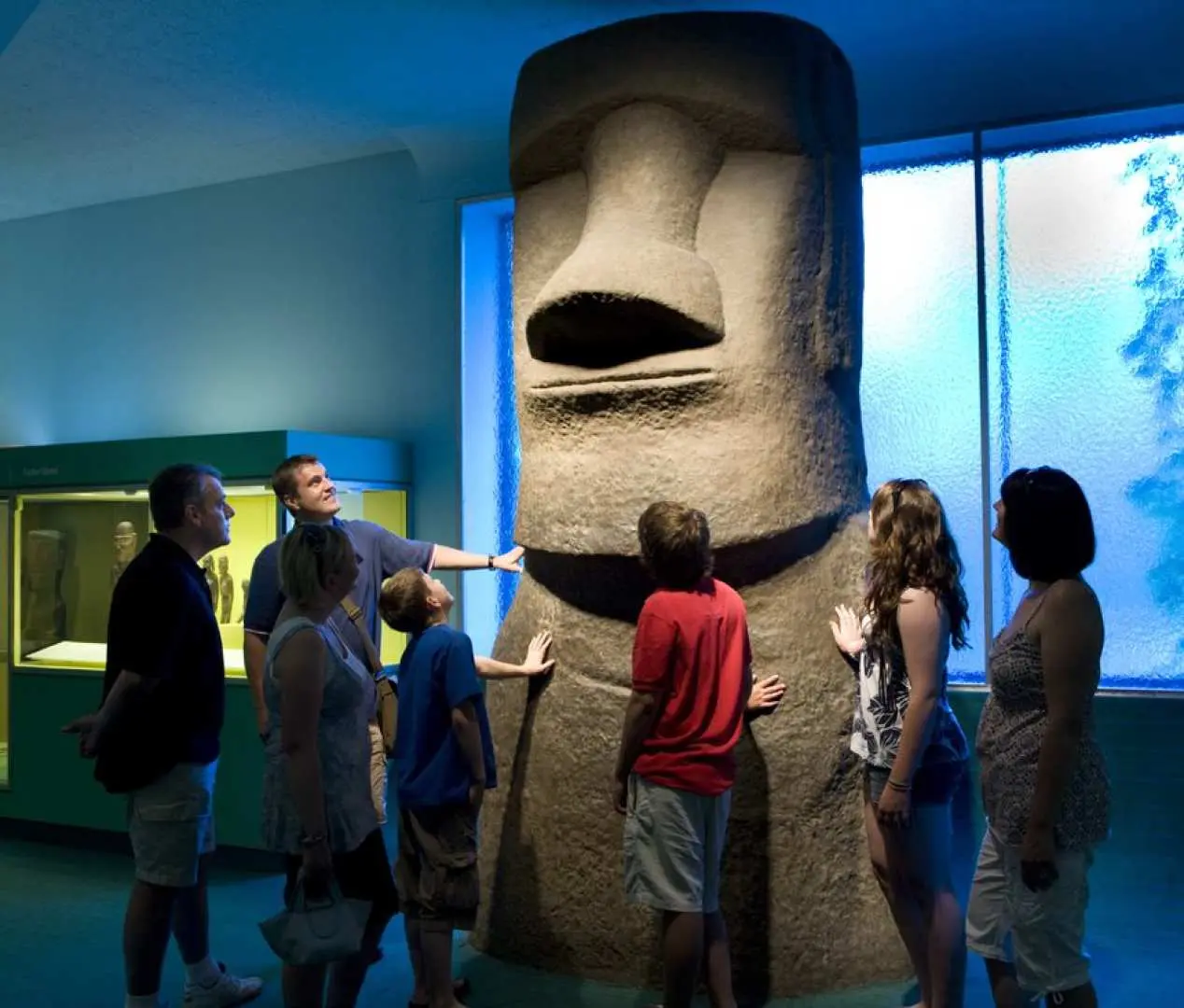
- Witness the iconic Easter Island Head
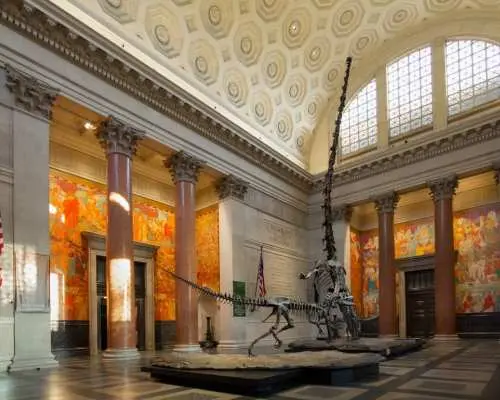
- Be captivated by an extensive collection of dinosaur fossils
- Be captivated by an extensive collection of dinosaur fossils





Purchase Notice
- Prioritize your health and safety by following COVID-19 prevention measures implemented by the attraction and local government
- For the most up-to-date operating hours, please visit the official website. Note that operating hours may change without prior notice
- To ensure admission, complete the reservation procedures before your visit and arrive at the designated appointment time
- Upon completing your online reservation, you will receive an electronic confirmation letter. Present the ticket voucher and reservation confirmation letter for entry. Digital copies are accepted; no need to print
- Children under 2 years old enjoy free admission. Please provide proof of age (passport) and indicate the number of eligible children in the "Note" section when booking
- When making a reservation, provide your English name as shown on your passport. Incorrect names may result in ticket usage issues
- Once your order is confirmed, changes or cancellations are not allowed
- Double-check the date, number of travelers, and ticket type before finalizing your order
Includes/Excludes
Reminders
All exhibition halls and theaters are accessible for wheelchair users
For safety purposes, travelers must undergo a security check upon entry. Please check the official website for a list of prohibited items to ensure a smooth admission process
For safety purposes, travelers must undergo a security check upon entry. Please check the official website for a list of prohibited items to ensure a smooth admission process
Travelers are required to present their ID documents (e.g., passport, ID card) for identity verification. Failure to comply may result in denial of admission
Please be aware that special exhibitions are subject to change. For the latest information, visit the official website at https://www.amnh.org/exhibitions
How to Redeem Your Voucher
How to Use Your Voucher
- Please present the e-voucher on-site
Validity Period
- Valid for use before 2024-12-31; Invalid after expiration
Experience Location
Location Name: American Museum of Natural History
Address: 200 Central Park West New York, NY 10024-5102To stay updated on the operating hour details, please visit this website as they are subject to change
Cancellation Policy
- Once the order has been completed, it cannot be canceled, modified, or refunded
- Due to time zone differences, the confirmed cancellation date is based on the supplier’s local time. Please allow 2–5 business days to process your cancellation request, after which the cancellation fee will be charged according to the product’s cancellation policy. Once the cancellation is confirmed, you will receive your refund within 14 working days.
FAQ
Yes, it is highly recommended to purchase tickets in advance for the American Museum of Natural History. This ensures your entry and can help you skip potential lines at the entrance, especially during peak seasons or holidays. Booking through KKday offers the convenience of securing your access ahead of time, allowing for a smoother arrival and more time to explore the museum's extensive collections and exhibitions without delay.
The most convenient subway station for the American Museum of Natural History is "81st Street – Museum of Natural History." This station is served by the B and C subway lines (local trains) and is located directly under the museum. Upon exiting the station, you will find yourself right at the museum's entrance on Central Park West.
Yes, the American Museum of Natural History has baggage policies in place. Backpacks and larger bags are generally allowed, but they may be subject to security inspection upon entry. For a comfortable visit, it is recommended to carry only essential items. Large luggage, oversized bags, and professional camera equipment may have specific restrictions or require checking at a designated coat check, if available, for a fee. It's advisable to check the museum's official guidelines for the latest details.
To avoid the largest crowds at the American Museum of Natural History, it is generally recommended to visit on weekday mornings, especially right after opening, or late weekday afternoons. Weekends and school holidays tend to be much busier. Tuesdays and Wednesdays are often less crowded than Thursdays and Fridays. Visiting during off-peak seasons can also provide a more relaxed experience, allowing you to explore the exhibits with greater ease.
The American Museum of Natural History boasts several must-see exhibits. Highlights include the Milstein Hall of Ocean Life with its iconic blue whale, the Rose Center for Earth and Space with its fascinating planetarium shows, and the renowned dinosaur halls featuring impressive fossil collections. Other popular areas are the human origins and cultural halls, offering insights into diverse human cultures and evolutionary history across the globe.
To travel from Penn Station to the American Museum of Natural History by subway, take an uptown C train (local) from Penn Station (34th Street–Penn Station) directly to the 81st Street – Museum of Natural History station. The journey is straightforward and usually takes approximately 10-15 minutes, depending on service frequency. The subway entrance at the museum is conveniently located for direct access to the exhibits.
Upon arrival at the American Museum of Natural History, visitors typically present their pre-purchased tickets or digital passes at the main entrance. Security checks are standard for all visitors. Access usually allows entry to the museum's permanent collection halls. Special exhibitions or planetarium shows often require separate, timed tickets in addition to general admission. Be prepared to show your tickets and any necessary identification at the designated entry points.
The American Museum of Natural History frequently hosts unique temporary exhibitions that complement its permanent collections, offering fresh perspectives on science and culture. These special displays can range from exploring specific animal species to showcasing ancient civilizations or cutting-edge scientific discoveries. Visitors can also enjoy immersive experiences at the Hayden Planetarium within the Rose Center for Earth and Space, which presents engaging shows about the universe and beyond. Check the museum's official schedule for current offerings.
Get Help


