


Reservation for authentic Sanuki udon making experience Walking distance from JR Takamatsu Station (Kagawa Prefecture)
- At Sanuki Mengyo Hyogomachi Main Branch, located a 10-minute walk from Takamatsu City's main station, you will learn about the flavors and techniques of udon master Masaaki Kagawa and his family.
- Enjoy the taste, history and experience of Sanuki Udon, a food culture of Kagawa
- [KKday exclusive] Enjoy your homemade noodles hot or cold, however you like. You can eat as many homemade noodles as you like⭐️
- There is also a plan that includes a tempura platter, Sanuki oden, chawanmushi, and fruit.
- You will receive a rolling pin and an electronic certificate as a souvenir.
Package Options
Product Info
What You Can Expect
1 Day
- Reception on the 1st floor of Hyogomachi Main Store (5 minutes)
- On the 3rd floor, there will be an explanation of preparations (gloves and aprons) and important points to note (10 minutes)
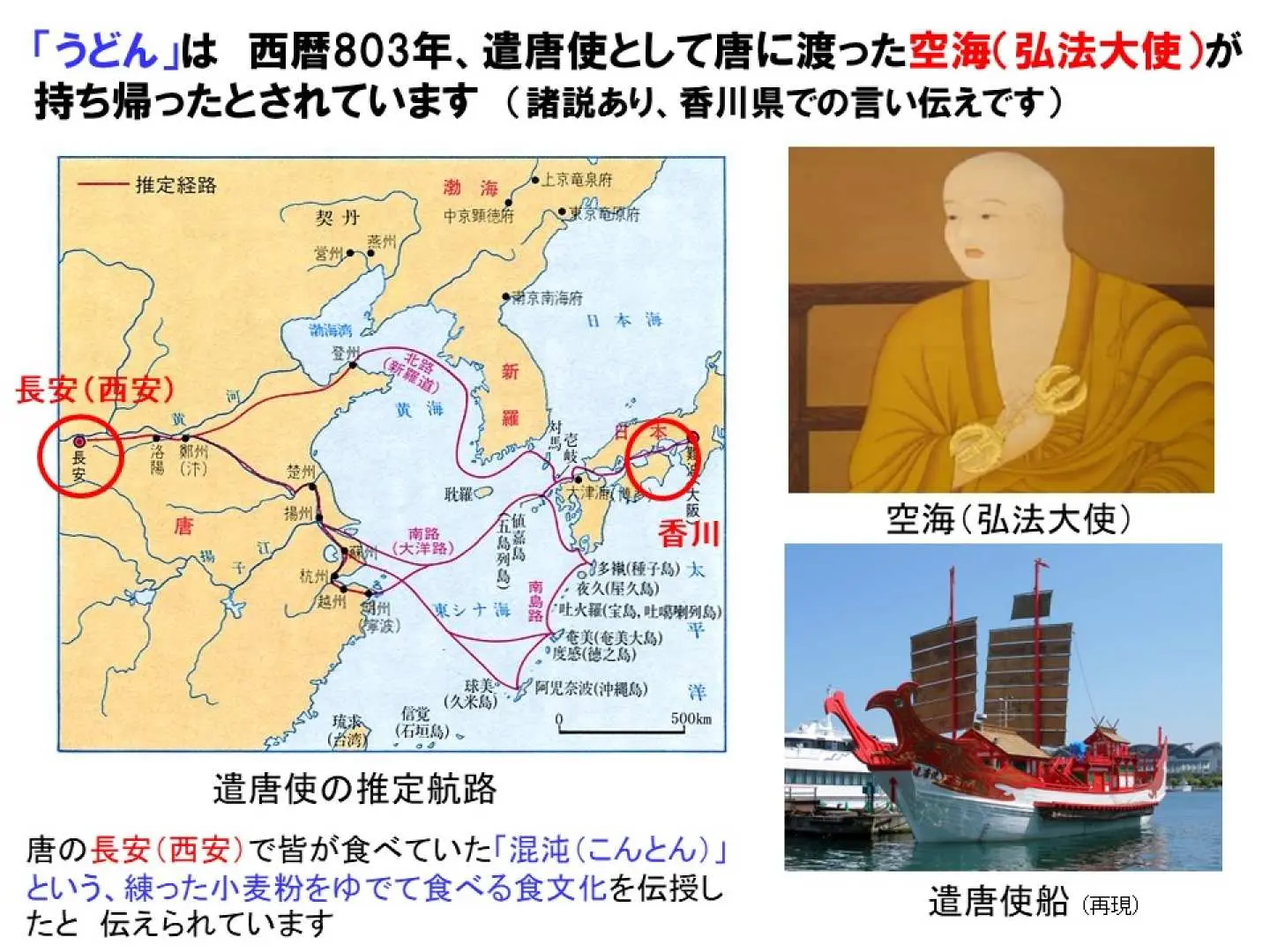
- Explaining the history of udon and why it developed in Kagawa Prefecture (10 mins)
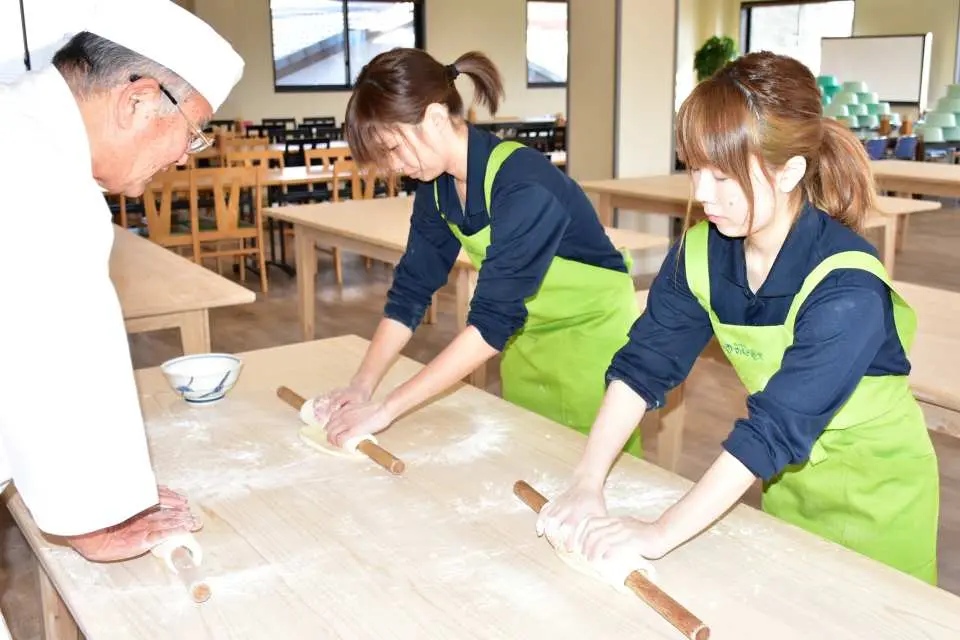
- Experience making handmade udon noodles! (40 minutes)
- Commemorative photo⭐️ (5 minutes)
- Prepare meals on the second floor and create a certificate on your smartphone (20 minutes)
- Dinner time with homemade udon (30 minutes) Only the 4,500 yen course includes a set of Sanuki specialty dishes like the one in the picture.
- You can choose between hot or cold udon.
- dissolution
- [Our udon was featured on TV⭐️]
- [Our udon was featured on TV⭐️]




Purchase Notice
・The activity is for ages 6 and over; however, as knives will be used, we ask that parents closely supervise children if they are participating.
・Even after your reservation is confirmed, if we determine that using knives is dangerous on the day of your participation, we may ask you to refrain from using knives. Please understand this in advance.
Includes/Excludes
- All-you-can-eat homemade udon noodles service
- Rolling pin
- Electronic Certificate
- Material cost
- Experience fee
- drink
- Other costs not listed
Reminders
Even after your reservation is confirmed, if we determine that the use of knives is dangerous on the day of your participation, we may ask you to refrain from using knives. Please understand this in advance.
You are free to bring your own smartphone photography equipment (however, please refrain from bringing large tripods, multiple lights, or other bulky items).
There is no parking lot, so please use public transportation or nearby paid parking lots.
Please check the details of the 4,500 yen course and the 2,800 yen course before making your reservation.
How to Redeem Your Voucher
How to Use Your Voucher
- Please present the e-voucher on-site
Experience Location
Location Name: Sanuki Noodles Hyogomachi Branch
Address: Japan, 〒760-0024, 11-9 Hyogo-cho, Takamatsu City, Kagawa PrefectureCancellation Policy
- Cancellations 2 day(s) (inclusive) before the selected date are allowed. Unused orders can be canceled for free
- For cancellations made 1 to 1 days prior to selected date, a cancellation fee of 50% will apply
- Cancellation is not allowed between 0–0 days from the selected date. Orders cannot be canceled or modified, and refunds will not be granted.
- Due to time zone differences, the confirmed cancellation date is based on the supplier’s local time. Please allow 2–5 business days to process your cancellation request, after which the cancellation fee will be charged according to the product’s cancellation policy. Once your refund request is confirmed, KKday will initiate the refund to your original payment method within 15 days. The actual refund timing depends on your card-issuing bank’s policy.
FAQ
1. What defines authentic Sanuki udon and its origin in Kagawa Prefecture?
Authentic Sanuki udon is a regional specialty originating from Kagawa Prefecture, historically known as Sanuki Province, in Japan. It is renowned for its distinctive thick, square-shaped noodles with flat edges. The core identity of Sanuki udon lies in its unique texture and the simple, yet profound, preparation methods that highlight the quality of its ingredients, typically made from wheat flour, salt, and water.
2. What distinguishes Sanuki udon from other types of udon noodles?
Sanuki udon is primarily distinguished by its characteristic chewy and springy texture, often referred to as 'koshi.' This unique texture is achieved through a specific kneading process and the precise ratio of ingredients. Unlike some other udon varieties that might be softer or thinner, Sanuki udon maintains a firm bite, making it a distinct culinary experience celebrated across Japan for its robust mouthfeel.
3. What is the characteristic texture of freshly made Sanuki udon?
The defining characteristic of freshly made Sanuki udon is its exceptional 'koshi,' which translates to a firm, chewy, and elastic texture. The noodles have a satisfying bounce and a smooth surface, providing a pleasant mouthfeel. This desirable texture is a result of meticulous kneading and precise boiling, ensuring each strand offers a delightful resistance and springiness with every bite.
4. Are there specific nutritional aspects to consider when enjoying Sanuki udon?
Sanuki udon, primarily made from wheat flour, provides a good source of carbohydrates for energy. While traditionally served in a light broth with minimal toppings, adding fresh vegetables, lean protein like chicken or eggs, or nutrient-rich seaweed can enhance its nutritional profile. The experience of making and enjoying Sanuki udon focuses on fresh ingredients and traditional preparation, offering a wholesome meal when balanced with various toppings.
5. What key steps are involved in the traditional Sanuki udon making process during the experience?
During the Sanuki udon making experience, participants will learn several key traditional steps. This typically includes kneading the dough by hand or even foot to achieve the perfect elasticity and consistency. Next, the dough is rested, then rolled out thinly using a rolling pin before being precisely cut into the signature thick, square-shaped noodles. Finally, the freshly cut noodles are boiled and prepared for enjoyment, allowing you to appreciate the craft firsthand.
6. What unique features are offered at the Sanuki udon making experience at Sanuki Mengyo Hyogomachi Main Branch?
The Sanuki udon making experience at Sanuki Mengyo Hyogomachi Main Branch allows participants to learn the authentic techniques directly from udon master Masaaki Kagawa and his family. A unique feature is the opportunity to enjoy as many homemade noodles as you like, served either hot or cold. Additionally, participants receive a rolling pin and an electronic certificate as souvenirs, making it a memorable cultural and culinary journey.
7. Can participants customize how they enjoy their homemade Sanuki udon during the experience?
Yes, during the Sanuki udon making experience, participants have the flexibility to customize how they enjoy their freshly made noodles. You can choose to have your udon served either hot or cold, according to your preference. This allows for a personalized tasting experience right after learning the traditional techniques, ensuring you savor your homemade creation exactly as you like it.
8. How accessible is the Sanuki udon making experience from JR Takamatsu Station?
The Sanuki udon making experience at Sanuki Mengyo Hyogomachi Main Branch is very accessible, conveniently located just a 10-minute walk from JR Takamatsu Station. This central location in Takamatsu City makes it easy for visitors arriving by train to reach the venue without extensive travel, allowing for a smooth and convenient transition from arrival to your immersive udon making activity.
Get Help


