


Polish Folk Show and Traditional Dinner
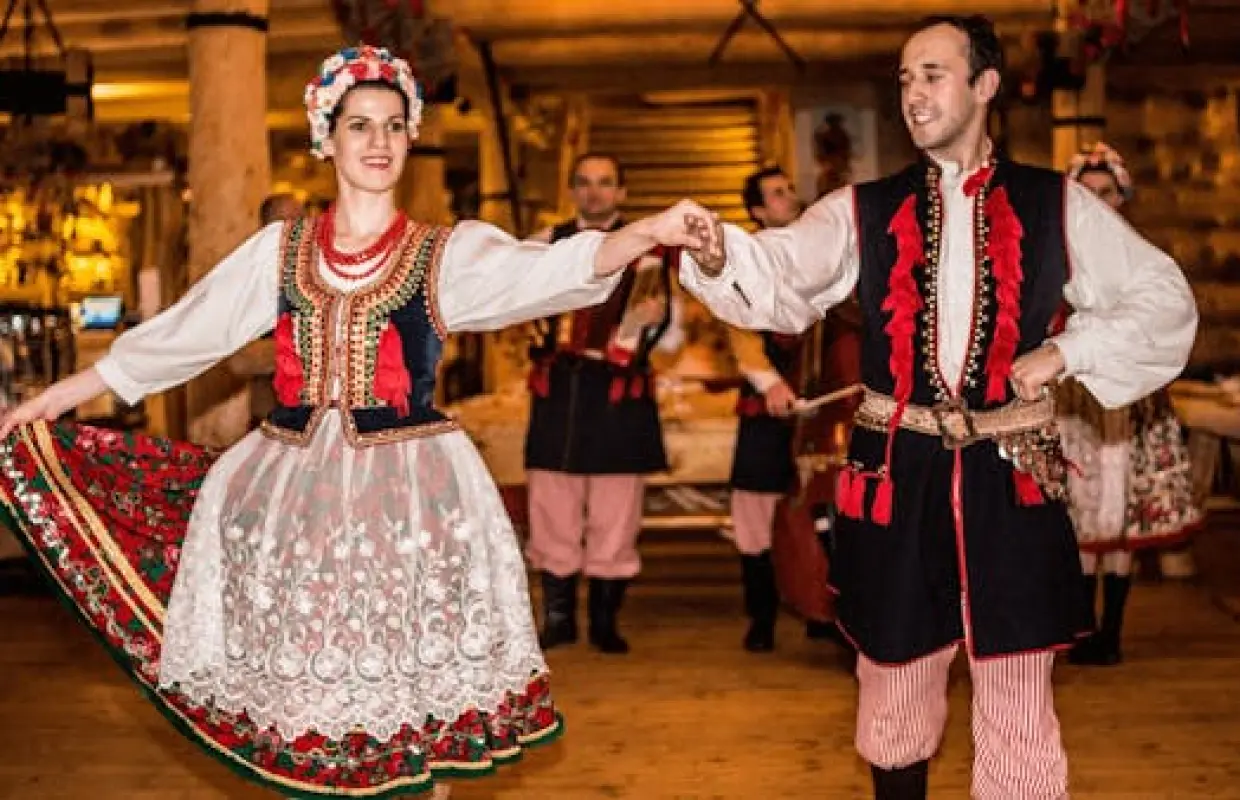
- Discover Polish culture during your stay in Krakow at dinner with an all-you-can-eat buffet and live folk show.
Package Options
Product Info
Purchase Notice
Reminders
Please refer to your voucher for final information regarding meeting points, pick-up locations, and pick-up time
Meeting point description: A double-decker bus (included in the price) will take you to the restaurant and after the dinner bring you back to the meeting place.(Józefa Dietla 7, 31-050 Kraków, Poland)
Know in advance:Infants (age 0-4) get free entrance
How to Redeem Your Voucher
How to Use Your Voucher
- Please present the e-voucher on-site
Validity Period
- The voucher must be used on the selected date and within operating hours; Invalid after expiration
FAQ
1. What unique dance characteristics can be expected at a Polish folk show in Krakow?
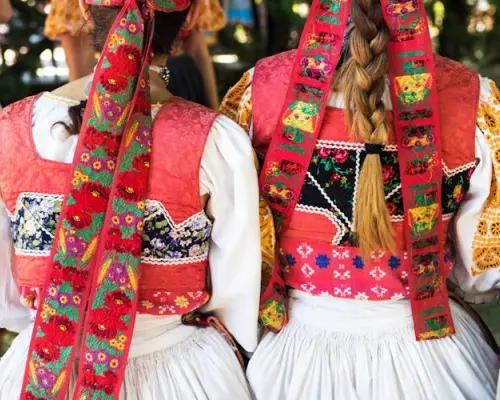
Polish folk shows often feature energetic and colorful dances. You can expect dynamic group formations, intricate footwork, and expressive gestures. Dancers wear vibrant traditional costumes, varying by region, and often include spinning, jumping, and partner work. The performances aim to tell stories of Polish traditions, celebrations, and daily life through movement.
2. Which key folklore elements are typically featured during a Polish folk show?
A Polish folk show typically highlights regional traditions through music, song, and dance. Key elements include narratives drawn from rural life, harvest festivals, weddings, and ancient legends. Performers often incorporate traditional instruments like accordions and violins, and the repertoire showcases the rich cultural tapestry of different Polish regions through their unique artistic expressions.
3. What is the origin and cultural identity of the Polka, a common Polish folk dance?
While often associated with various Central and Eastern European cultures, the Polka is a vibrant and integral part of Polish folk dance tradition. It originated in Bohemia (present-day Czech Republic) in the 19th century and quickly spread, adapting to local styles. In Poland, it became a beloved social dance, characterized by its quick, lively steps and a cheerful, festive spirit, embodying a joyful aspect of Polish cultural identity.
4. What signature Krakow dishes are typically served at a traditional Polish dinner?
A traditional Polish dinner in Krakow often features hearty and flavorful dishes. Signature items you might encounter include pierogi (dumplings with various fillings like meat, cheese, or cabbage and mushrooms), barszcz (beetroot soup), bigos (hunter's stew with sauerkraut and meat), and kielbasa (Polish sausage). These dishes reflect the rich culinary heritage of the region, emphasizing comforting and robust flavors.
5. What components typically make up a traditional Polish dinner in Krakow?
A typical traditional Polish dinner often starts with soup, such as zurek (sour rye soup) or barszcz. The main course usually consists of a meat dish, like pork cutlet (schabowy) or roasted duck, accompanied by potatoes (boiled or mashed) and various cooked or pickled vegetables, like sauerkraut or beetroot salad. Dessert might include sernik (cheesecake) or apple pie (szarlotka), completing a comprehensive and satisfying meal.
6. What kind of live entertainment and performances are typically featured at a Polish folk show?
Live entertainment at a Polish folk show extends beyond just dance. It typically includes vibrant musical performances featuring traditional Polish instruments like accordions, violins, and double basses. Choral singing, often in traditional folk styles, is also a common element. The performances combine spirited music, expressive dancing, and colorful costumes to create an immersive cultural experience for guests.
7. Is the traditional Polish dinner typically served as an all-you-can-eat buffet in Krakow?
Yes, it is common for traditional Polish dinners that accompany folk shows in Krakow to be served as an all-you-can-eat buffet. This format allows guests to sample a wide variety of local dishes at their own pace. The buffet typically includes several main courses, side dishes, salads, and often desserts, offering a comprehensive taste of Polish cuisine.
8. How does the "Polish Folk Show and Traditional Dinner" experience offer cultural immersion in Krakow?
The "Polish Folk Show and Traditional Dinner" experience provides deep cultural immersion by engaging multiple senses. Guests witness authentic regional dances and listen to traditional music, offering insight into Polish artistic heritage. Simultaneously, they savor a traditional Polish dinner, exploring local flavors and culinary customs. This combination creates a holistic experience that connects visitors directly with the vibrant traditions of Krakow and Poland.


