



Balinese Mystic and Rituals Tour with Kehen Temple Visit | Bali
Experience the real Bali and discover the rituals of ancient Indonesian villages, unique and distinctive funeral customs, and the mystic of this famous island on private tour.
- Uncover the secrets and mysteries of Bali's black and white magic rituals from a local priest
- Learn traditional customs, such as the hanging of a newborn's placenta rather than burying it at Bayung Gede Village
- Discover firsthand the vastly different lifestyle led by the locals at Trunyan Village and their unique take on life and death
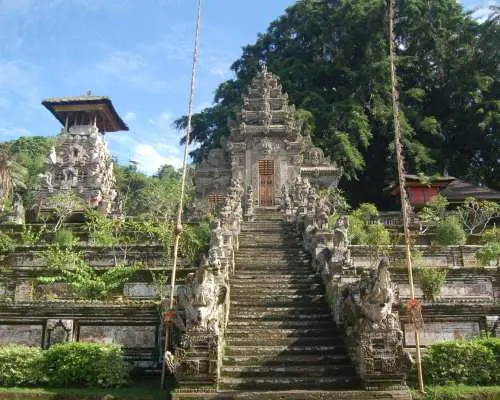
- Visit the sacred Pura Kehen Temple complex to see stunning architecture and the famous steps to heaven
- Customize your tour with interesting and entertaining add-ons
Package Options


Product Info
— What You Can Expect —
Get picked up from your accommodation and hop into a comfortable air-conditioned car for a scenic drive to the volcano. Your knowledgeable guide will provide interesting insights into Balinese culture during the journey. Discover two ancient and enigmatic villages on the island and meet a Bali priest or healer to learn about Bali Sekala and Niskala.
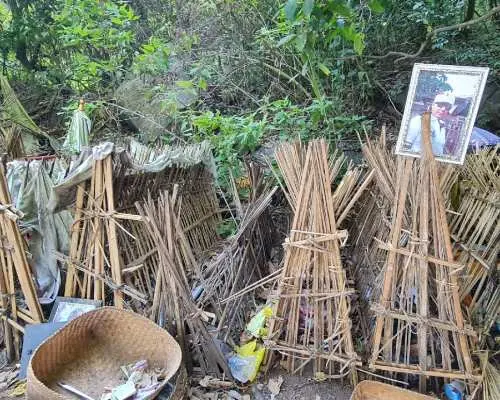
Truyan Village will be your first stop. The locals lead a traditional way of life that is markedly distinct from the rest of Bali. They don't cremate their deceased; instead, after a purification ritual, the body is placed in a bamboo cage called ancak saji under the Taru Menyan tree. The tree emits a pleasant scent that masks the odor of decomposing bodies, and this is where Trunyan gets its name. Only the bodies of married individuals are kept in bamboo cages.
Next, you'll visit Bayung Gede, another ancient village believed to be the progenitor of all the old villages in Bali. Visitors come to see the hanging newborn placentas, a unique practice in Bayung Gede. While in Trunyan, the dead are placed unburied on the ground, here it's the placenta that remains unburied. This village is the sole location in Indonesia that follows this custom.
Your tour would be incomplete without a visit to Kehen Temple, a significant Hindu Temple in Bali. It is located on the slope of Bukit Bangli, considered to be the mother temple of Bangli. You'll admire the stunning steps leading to heaven and the temple's unique wooden bell hanging from a very old and mysterious banyan tree.
Admire the beauty and architecture of Pura Kehen Temple


Feel a tingle running up and down your spine at Trunyan Village


Learn about the Trunyanese unusual burial ritual, which involves placing the deceased in a cage


Purchase Notice
Private transfer pick-up areas : Kintamani, Kuta, Seminyak, Nusa Dua, Jimbaran, Ubud, Denpasar, and Sanur
Reminders
Travelers with the following conditions or other health issues that could be worsened by excessive stimulation should not participate in this activity: Heart disease, Pregnant women
Please arrive at the designated location 10 minute(s) before the scheduled departure time, as the tour will depart on time
FAQ
Pura Kehen Temple, located in Bangli Regency, is one of Bali's most revered Hindu temples. It dates back to the 13th century, founded by a Brahmana named Mpu Brahma Wira. The temple served as the royal temple of the Bangli Kingdom and is dedicated to the Hindu trinity of Brahma, Vishnu, and Shiva. Its historical significance is deeply rooted in Balinese spiritual and political heritage, reflecting ancient traditions and architectural prowess.
When visiting sacred sites like Pura Kehen Temple, it is essential to dress respectfully. Both men and women should wear a sarong that covers the knees and a sash around the waist. Shoulders and upper arms should also be covered, so a top with sleeves is recommended. These attire guidelines demonstrate respect for the local culture and religious customs, ensuring a reverent experience for all visitors.
Trunyan Village, home to the Bali Aga people, is known for its distinct funeral customs that differ significantly from typical Balinese cremations. Instead of burying or cremating the deceased, bodies are simply laid out on the ground in bamboo cages under a Taru Menyan tree. This special tree is believed to emit a fragrance that neutralizes the smell of decomposition, allowing the bodies to decompose naturally without unpleasant odors, a unique take on life and death.
Bayung Gede Village practices a unique and ancient custom regarding newborns. Instead of burying or disposing of a newborn's placenta, it is carefully placed in a coconut shell and hung from a tree near the family home. This tradition symbolizes the placenta's role as a spiritual sibling to the child, and it is believed to bring protection and good fortune to the newborn throughout their life.
Pura Kehen Temple boasts impressive Balinese architecture. Its main gate, known as the Candi Bentar, features intricate stone carvings depicting mythological figures. The temple complex is built on a series of terraces, with a grand flight of 38 steps leading to the main courtyard. Inside, visitors can admire multi-tiered shrines (meru) and the unique Bale Kulkul (drum tower) built on an old banyan tree, showcasing remarkable craftsmanship and spiritual symbolism.
When visiting sacred Balinese sites, visitors should maintain a respectful demeanor. Always walk around shrines clockwise, avoid pointing your feet at altars or priests, and do not climb on any temple structures. It's customary to remain silent or speak softly, and to ensure you are dressed appropriately with a sarong and sash. Women who are menstruating are traditionally asked not to enter the temple grounds.
Visitors can learn about the intricate world of Balinese black and white magic rituals from a local priest, known as a 'Balian'. These rituals are deeply embedded in daily Balinese life, often associated with healing, protection, cleansing, and maintaining spiritual balance. A Balian may explain the use of specific offerings, incantations, and traditional practices designed to invoke positive energies or ward off negative influences, providing insight into Bali's mystic traditions.
Reaching remote locations like Trunyan Village typically requires specific transportation arrangements due to its isolated nature. Often, access involves a private vehicle to the shores of Lake Batur, followed by a boat transfer across the lake. This method ensures convenient and direct access to the village, allowing visitors to experience its unique customs without the complexities of public transportation in less accessible areas of Bali.
Get Help


