


Trabi Museum
- Explore a museum devoted to East Germany's 'it car'. Wander around a museum dedicated entirely to the Trabant, East Germany's iconic car. Learn the Trabi's history in the on-site cinema and see classic cars from 1930 through to German reunification.
Package Options
Product Info
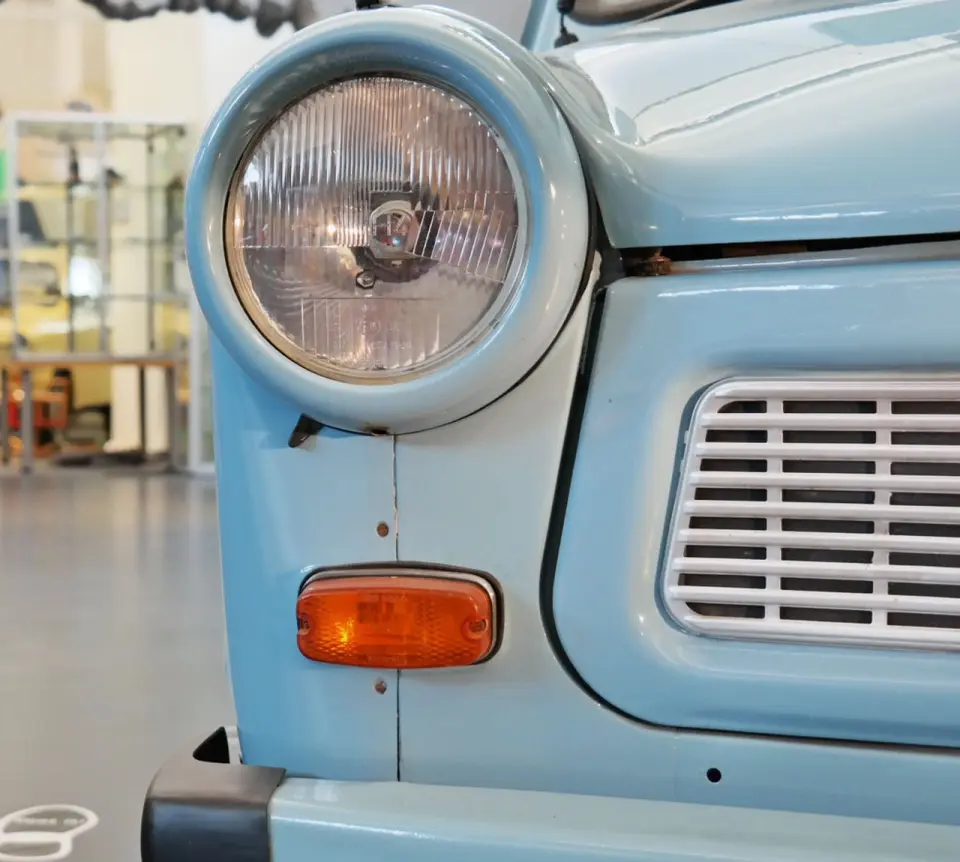
The humble Trabant, with its moon-like headlamps and vintage toy box style, is a symbol of life behind East Germany's Iron Curtain. The cult classic car has its very own Berlin museum at Checkpoint Charlie.
Transport yourself to the GDR and see the cars East Germans would wait for as long as 18 years to get their hands on. Trace the history of the Trabi's two-stroke engine through models in all shapes and colors. As well as classic motors like the P60, there are also military and rally cars!


Important Info
Includes/Excludes
- Admission
- Items not mentioned in product description
Reminders
Please refer to your voucher for final information regarding meeting points, pick-up locations, and pick-up time
Experience Location
Location Name: Trabi Museum, Zimmerstraße 14-15
Address: Trabi Museum, Zimmerstraße 14-15Cancellation Policy
- Once the order has been completed, it cannot be canceled, modified, or refunded
- Due to time zone differences, the confirmed cancellation date is based on the supplier’s local time. Please allow 2–5 business days to process your cancellation request, after which the cancellation fee will be charged according to the product’s cancellation policy. Once your refund request is confirmed, KKday will initiate the refund to your original payment method within 15 days. The actual refund timing depends on your card-issuing bank’s policy.
FAQ
1. What is the Trabi Museum and what is its main purpose?
The Trabi Museum is a unique museum dedicated to the iconic Trabant car, often referred to as East Germany's "it car." Its main purpose is to preserve and showcase the history of this distinctive vehicle, offering insights into its production, cultural significance, and impact during the era of East Germany, particularly up to German reunification.
2. Is the Trabi Museum worth visiting for those interested in East German history?
Yes, the Trabi Museum is highly recommended for anyone interested in East German history, automotive culture, and the social context of the Cold War era. Visitors can gain a deeper understanding of the Trabant's role as a symbol of everyday life and technical ingenuity under specific historical conditions, making it a valuable historical and cultural experience.
3. What kind of exhibits can visitors expect at the Trabi Museum?
Visitors to the Trabi Museum can expect to see a comprehensive collection of classic Trabant cars, showcasing various models and their evolution. The museum also features an on-site cinema where you can watch films detailing the Trabi's history. Exhibits cover the manufacturing process, design changes, and the car's social impact.
4. How long does a typical visit to the Trabi Museum usually take?
A typical visit to the Trabi Museum usually takes between 1 to 2 hours. This allows ample time to explore the various car exhibits, watch the historical films in the on-site cinema, and read through the informational displays about the Trabant's history and its significance.
5. What is a Trabant car and what makes it significant in German history?
The Trabant car, often affectionately called a "Trabi," was an automobile produced in East Germany from 1957 to 1991. It is significant in German history as a symbol of East German engineering and everyday life. Despite its basic design and two-stroke engine, it represented freedom and mobility for many families, becoming an iconic representation of the former German Democratic Republic.
6. What historical period do the classic cars displayed at the Trabi Museum cover?
The classic cars displayed at the Trabi Museum cover a significant historical period, ranging from 1930 through to German reunification in 1990. This collection allows visitors to trace the pre-Trabant era influences and the full production lifespan and evolution of the Trabant, highlighting its enduring presence across several decades.
7. What happened to the original Trabant factory and its brand after reunification?
After German reunification in 1990, the original Trabant factory in Zwickau, East Germany, faced significant challenges. Production of the classic two-stroke Trabant ceased, and although an attempt was made to produce a Trabant with a Volkswagen engine, it was short-lived. The brand ultimately disappeared from mass production, making the cars a nostalgic symbol.
8. Where is the Trabi Museum located in Berlin and how can visitors reach it?
The Trabi Museum is conveniently located in central Berlin, near Checkpoint Charlie at Zimmerstraße 14-15, 10117 Berlin. Visitors can easily reach it via public transport; it's a short walk from U-Bahn stations such as Kochstraße (U6 line) or Stadtmitte (U2/U6 lines), and various bus stops are also nearby.


