
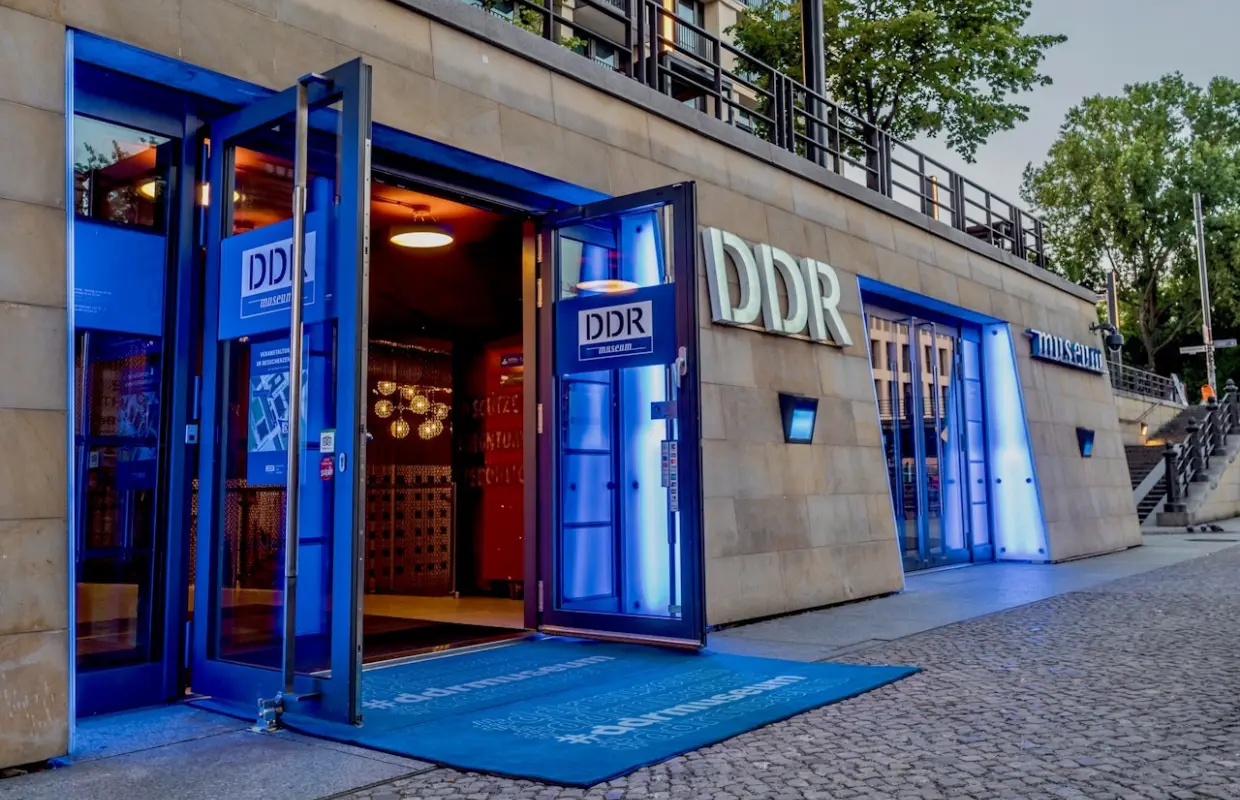
DDR Museum
- Berlin's interactive museum. Really feel like you’re in the former communist state, immersing yourself in what 40 years of DDR rule felt like to residents. Get interrogated by the Stasi! (There was a time where you would do anything to avoid this. Fortunately, the stakes are much lower now).
Package Options
Product Info
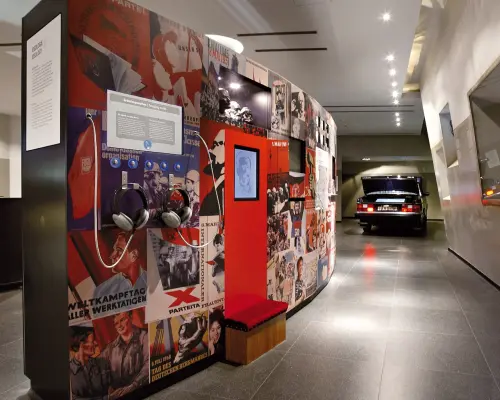
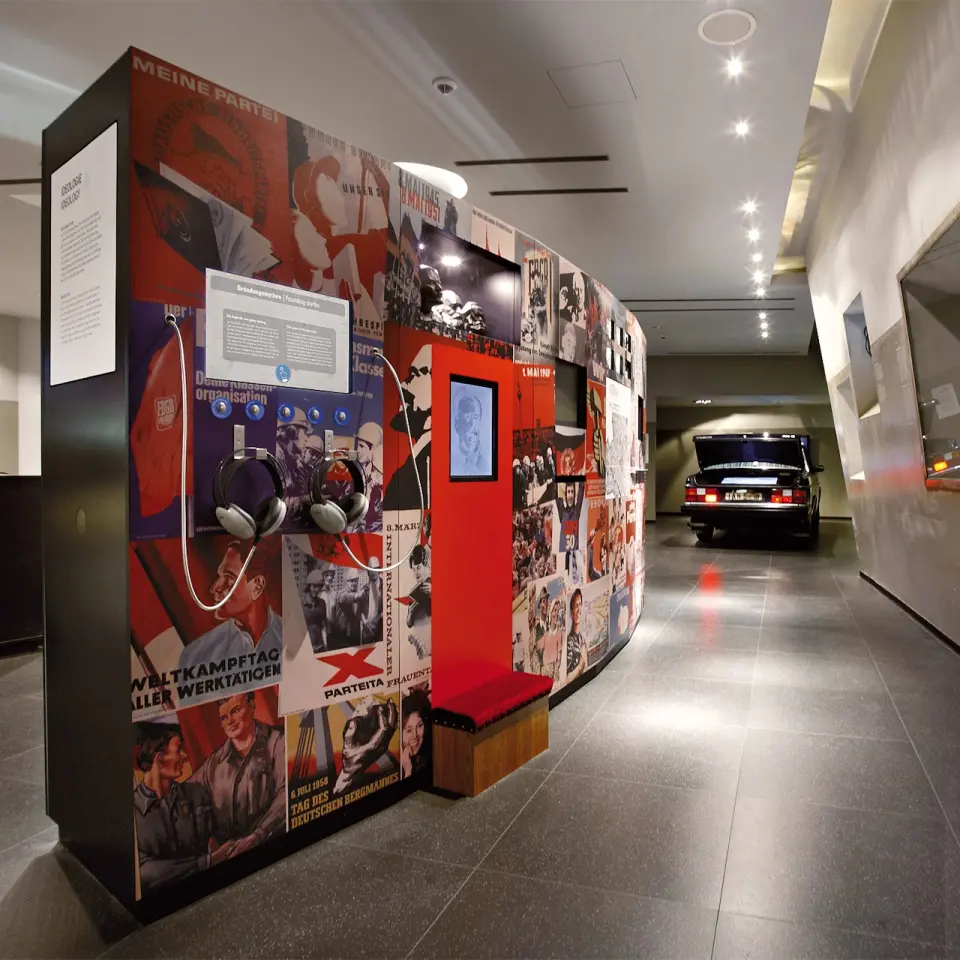
This isn’t the kind of museum where you just read and look – you’re actively experiencing what it was like to live in the DDR (Deutsche Demokratische Republik). DDR Museum tickets let you examine hundreds of unique artifacts from Germany’s Socialist past on display and visitors are encouraged to get involved.


Important Info
Includes/Excludes
- Admission
- Items not mentioned in product description
Reminders
Please refer to your voucher for final information regarding meeting points, pick-up locations, and pick-up time
Experience Location
Location Name: DDR Museum - Berlin's Interactive Museum, 1,Karl-Liebknecht-Str.
Address: DDR Museum - Berlin's Interactive Museum, 1,Karl-Liebknecht-Str.Cancellation Policy
- Once the order has been completed, it cannot be canceled, modified, or refunded
- Due to time zone differences, the confirmed cancellation date is based on the supplier’s local time. Please allow 2–5 business days to process your cancellation request, after which the cancellation fee will be charged according to the product’s cancellation policy. Once your refund request is confirmed, KKday will initiate the refund to your original payment method within 15 days. The actual refund timing depends on your card-issuing bank’s policy.
FAQ
1. What makes the DDR Museum a unique historical attraction in Berlin?
The DDR Museum stands out for its highly interactive and immersive approach, allowing visitors to directly experience daily life in the former East Germany (GDR). Unlike traditional museums, it encourages hands-on engagement with exhibits, offering a tangible sense of what 40 years of communist rule felt like to residents. This includes unique elements like simulating a Trabi ride or engaging with a Stasi interrogation, making history tangible.
2. What specific exhibits and content can visitors explore at the DDR Museum?
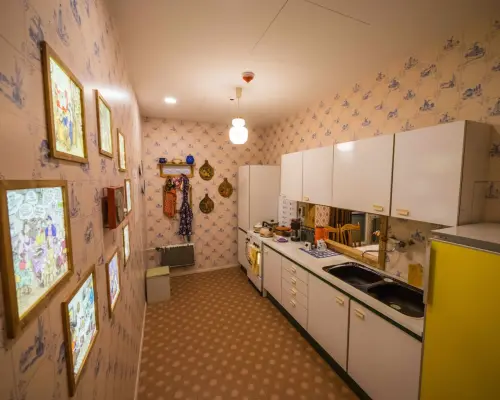
Visitors can explore a wide array of exhibits detailing everyday life in the GDR. This includes a furnished authentic apartment, a recreated kindergarten, a fully-equipped 'Trabi' car for a virtual ride, and various household objects and consumer goods. The museum also covers aspects like the political system, Stasi surveillance, education, media, fashion, and leisure activities, providing a comprehensive look into life behind the Iron Curtain.
3. What does "DDR" signify in the context of the DDR Museum's historical focus?
"DDR" stands for "Deutsche Demokratische Republik," which translates to "German Democratic Republic." This was the official name for East Germany, a socialist state that existed from 1949 to 1990 in the Soviet occupation zone after World War II. The museum's focus is to provide insight into the unique culture, politics, and daily experiences of people living within this former communist state.
4. What is the recommended visit duration to fully experience the DDR Museum in Berlin?
To fully immerse yourself in the interactive exhibits and gain a comprehensive understanding of daily life in East Germany, a visit duration of approximately 2 to 3 hours is recommended. This allows ample time to engage with all the hands-on displays, read the informative texts, and enjoy the unique interactive experiences offered throughout the museum.
5. What types of interactive experiences are available for visitors at the DDR Museum?
The DDR Museum offers a variety of engaging interactive experiences. Visitors can sit inside a recreated Trabi car and take a simulated drive through a communist-era housing estate, or experience a virtual Stasi interrogation to understand the pervasive surveillance. Many exhibits feature drawers and cupboards to open, inviting visitors to discover everyday objects and hidden stories, providing a truly hands-on exploration of the past.
6. How does the DDR Museum portray the daily life of residents in East Germany?
The DDR Museum portrays daily life through meticulously recreated environments and an extensive collection of artifacts. It features a typical East German apartment, complete with period furniture and household items, allowing visitors to glimpse domestic routines. Exhibits also cover work, school, consumer goods scarcity, media censorship, and leisure activities, providing a nuanced perspective on the challenges and realities faced by residents.
7. Can visitors experience a Stasi interrogation simulation at the DDR Museum, and what does it involve?
Yes, visitors to the DDR Museum can experience a simulated Stasi interrogation. This interactive exhibit aims to convey the psychological tension and pervasive surveillance felt by citizens under the regime. While not a real interrogation, it offers an unsettling glimpse into the methods used by the East German secret police to control and intimidate. It serves as a powerful reminder of the historical context of state control over individual privacy.
8. What historical context does the DDR Museum provide regarding the former communist state in Germany?
The DDR Museum provides extensive historical context by illustrating the social, political, and economic conditions of the German Democratic Republic during its 40-year existence. It delves into the division of Germany after World War II, the Cold War's impact, the construction of the Berlin Wall, and the daily realities shaped by a socialist system. The exhibits showcase how state ideology permeated all aspects of life, from education to consumer culture, offering a deep understanding of this distinct period in German history.


