



Luxor Temple Tour With Karnak and East Bank Temples Stops
- Focus on Luxor Temple Tour with a private local guide.
- Begin at Karnak Temple Tour before the museum visits.
- Continue to Luxor Museum Tour for cultural explanation.
- Visit Luxor Mummification Museum during the same route.
- Walk through Luxor Temple Tour with clear context.
- Follow Avenue Of Sphinxes Tour according to daily timing.
- Select English, Italian, German, French, Spanish, or Russian.
- Book privately for 1 to 9 participants in your group.
- Choose tickets and lunch included or exclude both services.
- Pickup details are confirmed one day before your activity date.
Package Options
Product Info
Begin your private Luxor sightseeing day with pickup from your hotel or selected pickup point, then travel by private air-conditioned vehicle with your guide. This tour is created for guests who want to experience the East Bank through its main temple landmarks and museum stops, with Luxor Temple Tour presented as a key part of the day rather than a quick final visit. Transfer time may vary depending on your hotel location, and your final pickup details will be confirmed one day before your activity.
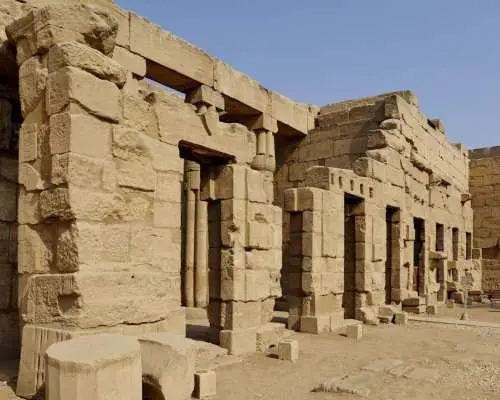
The route begins with Karnak Temple Tour, giving the day a strong ancient opening. Karnak introduces guests to the scale and atmosphere of Luxor’s temple heritage, with open spaces, historic architecture, and a setting that helps frame the rest of the East Bank experience. With your selected guide language, the visit becomes more organized and easier to follow. Your guide explains the site according to the confirmed package, ticketing flow, local access conditions, and daily timing.
After Karnak, continue to Luxor Museum Tour. This part of the day shifts the mood from large outdoor temple spaces to a calmer cultural environment. The museum visit adds context, helping guests connect the temples with selected historical themes and guided interpretation. Instead of treating the museum as a separate stop, the route uses it as a bridge between the temple visits and the wider story of ancient Luxor.
The itinerary then continues to Luxor Mummification Museum. This stop gives the experience a more specialized cultural layer, introducing ancient Egyptian preservation traditions, beliefs, and related historical details according to the museum’s access conditions and confirmed package. Together, the two museum visits make the day feel more complete for travelers who enjoy learning, not only sightseeing.
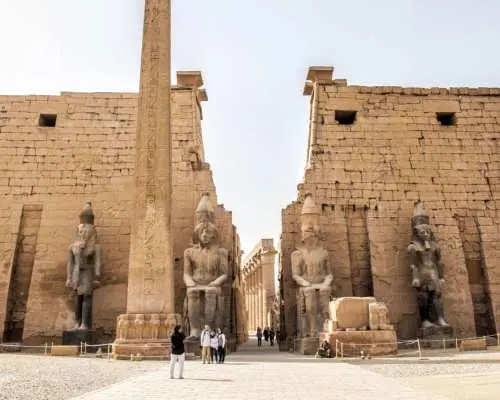
After the museum section, continue to Luxor Temple Tour. This visit brings the experience back to open-air ancient architecture, but with stronger context after Karnak and the museums. Your guide helps connect Luxor Temple with the wider East Bank story, explaining the route according to timing, local operation, and selected package. The temple visit gives the day a strong city-based heritage atmosphere and helps balance the larger Karnak setting with another important ancient landmark.
The route also includes Avenue Of Sphinxes Tour, arranged according to confirmed timing, access conditions, and local operation. This section adds a historic connection between the temple areas and gives the experience a stronger sense of place. The tour stays focused on East Bank temples and museums only, without adding West Bank tombs, hot air balloon rides, Nile sailing, or extra stops unless clearly booked through another product.
Luxor Temple Tour With Karnak and East Bank Temples Stops
This main option follows the provided itinerary: Karnak Temple Tour, Luxor Museum Tour, Luxor Mummification Museum, Luxor Temple Tour, and Avenue Of Sphinxes Tour. After selecting the tour, guests can customize the booking through the available sub-options. Tour guide language can be selected from English, Italian, German, French, Spanish, or Russian. Participant number can be selected from 1 to 9 participants. Package type can be selected as with tickets and lunch included or without tickets and lunch.
If the with tickets and lunch package is selected, the listed required entry tickets and lunch are included according to the confirmed booking. Lunch location may vary depending on timing and daily operation, so guests should not expect one fixed restaurant. If the without tickets and lunch package is selected, the tour still includes private transport, guide service, and the guided East Bank route, but entry tickets and lunch are not included and must be paid separately if needed.
These selections apply only to the selected tour option, so guests should review the guide language, participant number, package type, and confirmed itinerary carefully before purchase. The visit order may change due to traffic, temple access, museum opening conditions, ticketing flow, prayer times, local operation, or daily scheduling, but the intended route remains focused on Luxor Temple Tour and the listed East Bank highlights.
Please ensure the phone number provided during booking is connected to WhatsApp for quick pickup and timing updates. If it is not connected to WhatsApp, kindly share an alternative number in advance.
Your tour begins with pickup from your hotel or selected pickup point. Transfer time may vary depending on your hotel location, and final pickup details are confirmed one day before the activity. After meeting your guide and driver, travel by private air-conditioned vehicle to begin the East Bank route. Start with Karnak Temple Tour according to the selected language, confirmed package, ticketing process, and site access. Continue afterward to Luxor Museum Tour, where your guide introduces the visit according to opening conditions and daily timing. After Luxor Museum, continue to Luxor Mummification Museum according to the confirmed package and local access conditions. The route then continues to Luxor Temple Tour, followed by Avenue Of Sphinxes Tour according to timing and local operation. Lunch is included only if the with tickets and lunch package is selected. If the without tickets and lunch package is selected, lunch is not included. Entry tickets are included only when the ticket-included package is selected. At the end of the tour, return by vehicle for drop-off.


Purchase Notice
- Please check the selected main option carefully before purchase.
- Sub-options apply only to the selected tour option.
- Available guide languages are English, Italian, German, French, Spanish, and Russian.
- Participant selection is available from 1 to 9 participants.
- Package type may be with tickets and lunch or without both.
- With tickets and lunch includes listed required entries and lunch.
- Without tickets and lunch excludes entry fees and lunch.
- Pickup time may vary depending on your hotel location.
- Final pickup details will be confirmed one day before the activity.
- Please provide a WhatsApp-connected phone number for updates.
- If your number has no WhatsApp, share an alternative number early.
- Temple access may depend on local operation and daily timing.
- Museum access may depend on opening conditions and timing.
- Lunch location may vary according to daily operation and timing.
- Drinks and personal expenses are not included.
- West Bank visits are not included unless clearly listed.
- Hot air balloon and Nile sailing are not included.
- The visit order may change due to traffic or local operation.
- Comfortable shoes are recommended for East Bank walking areas.
- Luxor Temple Tour details depend on the selected package.
How to Use
How to Use Your Voucher
- Please present the e-voucher on-site
FAQ
Karnak Temple is renowned for its immense scale and long history, being the largest ancient religious site in the world. It was a primary place of worship for the Theban Triad, particularly Amun-Ra, and evolved over more than 2,000 years with contributions from numerous pharaohs. Its vast complex includes temples, chapels, pylons, and the Great Hypostyle Hall, an awe-inspiring forest of 134 massive columns, representing a living record of ancient Egyptian religious and architectural prowess.
When visiting Karnak Temple, it is recommended to wear modest clothing. This generally means covering your shoulders and knees to show respect for the sacred site. Lightweight, breathable fabrics are ideal due to the warm climate in Luxor. Comfortable walking shoes are also highly advisable as you will be exploring a large area with uneven surfaces, ensuring ease of movement throughout the complex.
Karnak Temple was primarily dedicated to the Egyptian god Amun-Ra, who was the chief deity of the New Kingdom and the patron god of Thebes. The massive complex also housed sanctuaries for other members of the Theban Triad, including his consort Mut and their son Khonsu. It served as the main cult center for these gods and was a central pilgrimage site in ancient Egypt for centuries.
Karnak Temple is a colossal complex built over 2,000 years, primarily for the state worship of Amun-Ra, featuring numerous sanctuaries, pylons, and obelisks. Luxor Temple, while grand, is comparatively smaller and more compact. It was mainly dedicated to the rejuvenation of kingship and the annual Opet Festival, focusing on the divine birth of the king and the renewal of his power, rather than solely on cult worship.
To thoroughly explore Luxor Temple and appreciate its historical significance, visitors typically need about 1.5 to 2.5 hours. This duration allows sufficient time to admire the grand pylons, towering colonnades, intricate courtyards, and sacred sanctuaries, as well as to absorb the rich historical context. A private guided tour can enhance your visit by providing in-depth explanations and efficient navigation.
The Luxor Museum houses a remarkable collection of artifacts discovered in Luxor and its surrounding archaeological sites. Key exhibits include masterpieces found in Karnak and Luxor Temples, such as exquisite statues of pharaohs, gods, and beautifully carved reliefs. It also features treasures from royal tombs, items depicting daily life in ancient Thebes, and a dedicated room for two royal mummies, offering deep cultural insights into ancient Egypt.
The Avenue of Sphinxes served as a grand processional route directly connecting the two major temple complexes of Karnak and Luxor. Historically, it played a crucial role in the annual Opet Festival, where images of the Theban Triad were carried in a lavish procession between the temples. This ceremonial pathway, recently restored, symbolizes the profound religious and architectural link between these monumental sacred sites in ancient Thebes.
Yes, when booking your tour that includes Karnak and Luxor Temples, you have the option to select your preferred guide language. The available languages typically include English, Italian, German, French, Spanish, and Russian. This ensures that you can fully understand the historical explanations and cultural insights provided by your knowledgeable private local guide during your exploration of these significant ancient Egyptian sites.
Get Help


