


Mevlana Museum and Whirling Dervishes Show from Antalya, Belek, Side
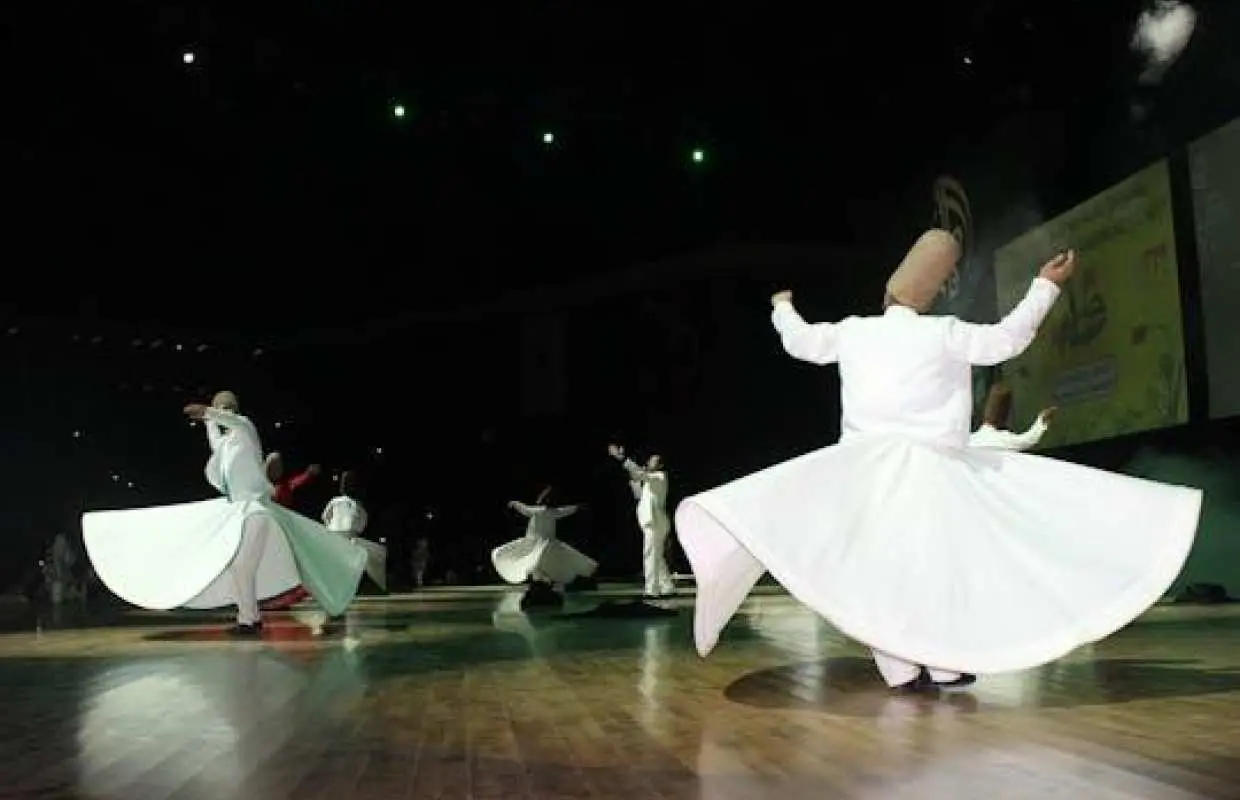
- Enjoy a day tour to visit the Mevlana Museum and Tropical Butterflies Garden, and see the Mevlevi Sema and the Whirling Dervishes Show.
Package Options
Product Info
Purchase Notice
Reminders
Please refer to your voucher for final information regarding meeting points, pick-up locations, and pick-up time
Meeting point description: Pickup is available from accommodations within the areas of Antalya, Belek, Side, or Alanya. You'll indicate your pickup location at checkout.
Not allowed:Pets
Smoking, food and drinks are not permitted on the minibus
Know in advance: A minimum of 7 people are required for this tour to operate. The maximum number of participants is 15
Please contact the local operator to confirm the pickup time. You'll find the contact details on your voucher after booking
This tour is portable wheelchair accessible
Remember to bring:A valid ID or passport
A sweater or jacket in spring and winter
How to Redeem Your Voucher
How to Use Your Voucher
- Please present the e-voucher on-site
Validity Period
- The voucher must be used on the selected date and within operating hours; Invalid after expiration
FAQ
1. What should visitors wear when visiting the Mevlana Museum?
Visitors to the Mevlana Museum should dress modestly and respectfully, as it is a former dervish lodge and a sacred site. This typically means covering shoulders and knees. Women are usually required to cover their heads with a scarf before entering, which can often be borrowed or purchased on-site if not brought along. Comfortable walking shoes are also recommended for exploring the museum grounds.
2. Why is Mevlana often referred to as Rumi?
Mevlana is the honorific title given to the 13th-century Persian poet, Islamic scholar, and theologian, Jalāl ad-Dīn Mohammad Balkhī, who is widely known as Rumi in the Western world. "Mevlana" means "our master" or "our guide" in Arabic, signifying the deep respect and adoration followers held for him. The Mevlana Museum houses his tomb and is a spiritual center for his teachings.
3. What historical significance does the Mevlana Museum hold for visitors?
The Mevlana Museum is a deeply significant site as it served as the original lodge of the Mevlevi Order of dervishes and contains the tomb of its founder, Mevlana Rumi. It is a pilgrimage site for Sufis and a major cultural attraction, offering insights into Mevlana's life, the Mevlevi Sema ritual, and 13th-century Seljuk art and architecture. The museum showcases artifacts, manuscripts, and musical instruments related to the order.
4. What is the typical entry cost for the Mevlana Museum in Konya?
While specific prices are not available here, the Mevlana Museum generally has an admission fee for non-Turkish citizens. Visitors typically purchase tickets upon arrival at the museum entrance. It's advisable to check local official tourism websites or on-site information for the most current pricing details before your visit.
5. What is the experience of seeing the Whirling Dervishes show like?
Witnessing a Whirling Dervishes show, known as a Sema ceremony, is a profound spiritual experience. It involves dervishes performing a meditative dance, symbolizing the mystical journey of man's spiritual ascent to truth and union with God. The ceremony includes classical Turkish music, prayers, and the mesmerizing whirling movements of the dervishes in their distinctive attire, creating an atmosphere of deep contemplation and reverence.
6. When are the Whirling Dervishes performances typically held in Konya?
In Konya, the Whirling Dervishes (Sema) ceremonies are often held regularly, particularly on Saturday evenings, at venues like the Mevlana Cultural Center. There may also be special performances during religious festivals or significant dates related to Rumi. It's recommended to check local schedules or cultural event listings closer to your travel dates for precise timings and locations.
7. Where are the main venues to experience the Whirling Dervishes show in Konya?
The primary venue for experiencing the Whirling Dervishes (Sema) show in Konya is the Mevlana Cultural Center, which hosts regular performances. Other locations might include smaller cultural centers or historical sites depending on the season and specific events. For the most authentic and scheduled performances, the Mevlana Cultural Center is generally the recommended choice.
8. What can visitors expect to see at the Tropical Butterflies Garden included in the tour?
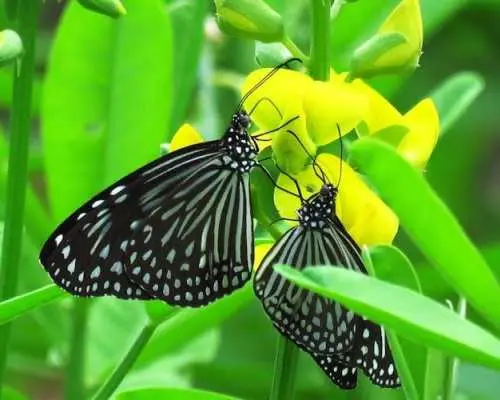
At the Tropical Butterflies Garden, visitors can expect to immerse themselves in a lush, warm environment filled with hundreds of vibrant butterflies from various tropical regions. The garden typically features diverse plant species that serve as habitats and food sources for the butterflies, alongside waterfalls and ponds. It offers an opportunity to observe butterflies up close in a naturalistic setting.


