



【Japanese Guide】Cebu City Half-Day Sightseeing Tour by PTN Travel
- Visit Magellan's Cross to feel the beginning of history
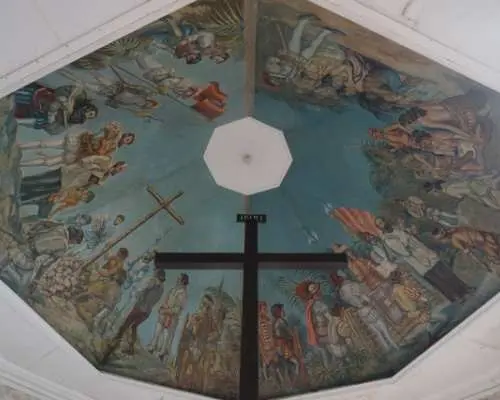
A symbolic spot where the first baptism in the Philippines took place. The ceiling paintings in the octagonal pavilion vividly depict the scene from that time. - Visit the oldest church in Cebu, the Basilica Minore del Santo Niño
Visit the premier religious site in Cebu, where the Santo Niño statue, known as a miraculous icon, is still enshrined today. - Explore Fort San Pedro, which protected the town from pirates
A valuable spot where you can see unique walls made of coral and limestone and learn about the history of Cebu's defense. - The Heritage of Cebu Monument, where you can overlook Cebu's history
A perfect landmark to conclude your city tour, featuring dynamic sculptures that depict history from the Spanish colonial era to the present day.
Package Options


Product Info
Purchase Notice
What to bring and what to wear
- sun protection
Reminders
According to regulations, tourists are not allowed to enter the Basilica of Santo Niño every Friday and Sunday.
You will not be able to enter Santo Niño Basilica wearing revealing clothing such as sleeveless tops or shorts. Please wear short sleeves and clothing that covers your knees.
Cancellation Policy
- Cancellations 2 day(s) (inclusive) before the selected date are allowed. Unused orders can be canceled for free
- Cancellation is not allowed between 0–1 days from the selected date. Orders cannot be canceled or modified, and refunds will not be granted.
- Due to time zone differences, the confirmed cancellation date is based on the supplier’s local time. Please allow 2–5 business days to process your cancellation request, after which the cancellation fee will be charged according to the product’s cancellation policy. Once your refund request is confirmed, KKday will initiate the refund to your original payment method within 15 days. The actual refund timing depends on your card-issuing bank’s policy.
FAQ
1. What are the recommended transportation options for exploring historical sites like Magellan's Cross and Fort San Pedro in Cebu City?
For navigating between Cebu City's historical sites such as Magellan's Cross and Fort San Pedro, ride-hailing apps like Grab are convenient and offer transparent pricing. Metered taxis are also widely available. If you are on a guided tour, transportation between the attractions is typically arranged and included, providing a hassle-free sightseeing experience.
2. What local customs and safety precautions should visitors observe when touring attractions such as Santo Niño Church and the Cebu Heritage Monument?
When visiting religious sites like Santo Niño Church, it is respectful to dress modestly, ensuring shoulders and knees are covered. Maintain quiet reverence inside the church. At the Cebu Heritage Monument and other public areas, always be aware of your surroundings, keep valuables secure, and follow any posted local guidelines to ensure a safe and enjoyable visit.
3. Are taxis a safe and reliable option for traveling to and from attractions within Cebu City, and what should I be aware of?
Taxis are generally a safe and reliable option for traveling within Cebu City. It is advisable to choose taxis with a visible meter and ensure the driver uses it. For added security and transparent fares, ride-hailing apps like Grab are popular. Always confirm your destination with the driver before starting the journey and secure your personal belongings.
4. How are payments typically handled for public transportation, such as local buses or jeepneys, when navigating Cebu City?
For local public transportation in Cebu City, like jeepneys, payments are primarily handled in cash. Passengers usually pay the driver directly upon boarding or pass their fare to a designated 'conductor.' It is helpful to have small denominations or exact change readily available, as drivers may not always have sufficient change for larger bills.
5. What is the historical significance of Magellan's Cross, and what can visitors expect to see at this iconic site?
Magellan's Cross marks the spot where the first Christian baptism in the Philippines is believed to have taken place. Inside its octagonal pavilion, visitors can view a vibrant ceiling painting that vividly depicts this momentous historical event. This iconic site represents the profound beginning of Christianity in the country and is a powerful symbol of Cebu's early history.
6. What makes Santo Niño Church a significant religious site in Cebu, and what should visitors know before entering?
Santo Niño Church holds immense significance as the oldest church in the Philippines and is home to the revered Santo Niño de Cebu image, believed to be miraculous. It is a major pilgrimage site. Visitors should dress modestly, covering shoulders and knees, and maintain a respectful demeanor inside the church, observing its solemn and sacred atmosphere.
7. What unique architectural features define Fort San Pedro, and what was its primary role in Cebu's history?
Fort San Pedro is characterized by its unique architectural features, with walls constructed from a mix of coral and limestone, where small seashells are still discernible. This ancient triangular fortress was primarily built by the Spanish to protect Cebu's port from pirate attacks. Its robust design offers a fascinating glimpse into the city's colonial past and defensive strategies.
8. Which historical periods and events are dramatically depicted at the Cebu Heritage Monument, and what is its overall significance?
The Cebu Heritage Monument dramatically depicts significant historical periods and events of Cebu, spanning from the Spanish colonial era and American occupation to modern times. Through intricate and dynamic sculptures, it narrates key moments in Cebu's rich past. Its overall significance lies in serving as a public reminder and celebration of the city's cultural and historical identity.


