




A Half-Day Tour of World Heritage Sites: Suwon Hwaseong Fortress & Changdeokgung Palace
- An efficient tour that allows you to see Suwon Hwaseong Fortress and Changdeokgung Palace, Korea's representative World Cultural Heritage sites, in one day.
- Explore Suwon Hwaseong Fortress, a unique structure combining a fortress wall and a village, and Changdeokgung Palace, a magnificent palace and beautiful garden.
- Experience two UNESCO World Heritage sites in depth with a professional guide.
- Enjoy traditional food and a vibrant local atmosphere at Gwangjang Market, Seoul's kitchen.
- A full schedule that allows you to make the most of your morning and enjoy a leisurely afternoon.
Package Options


Sightseeing Tours
| Tour Type | Shared tour |
| Transportation method | Transfer from meeting point |
| Departure Time | Standard Departure (8-9 am) |
| Minimum participant requirement | 2 travelers |
Product Info
The content of this product is provided by machine translation and may not reflect the actual information, please take this into consideration before booking.
- Suwon Hwaseong Fortress (Suwon Hwaseong Fortress)
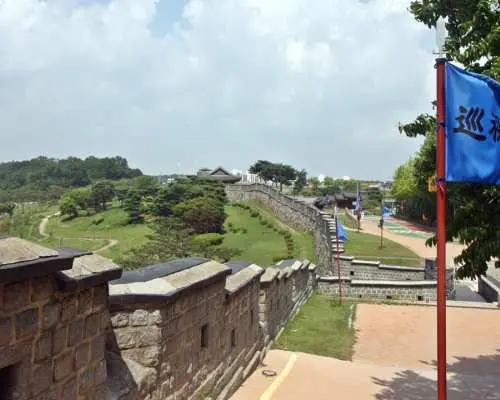
Suwon Hwaseong Fortress (수원화성), built in the late Joseon Dynasty (1794-1796), is a magnificent structure. Centered around the Hwaseong Temporary Palace, which was once the king's residence and is currently under restoration, the 5.7km-long fortress wall resembles the Great Wall of China. Each element, including gates, artillery batteries, yagura (turrets), rest areas for soldiers, a command post, and a training center, is neatly integrated into the east, west, south, and north. In December 1997, it was registered as a UNESCO World Heritage Site, along with Changdeokgung Palace.
- Changdeokgung Palace (Changdeokgung Palace)
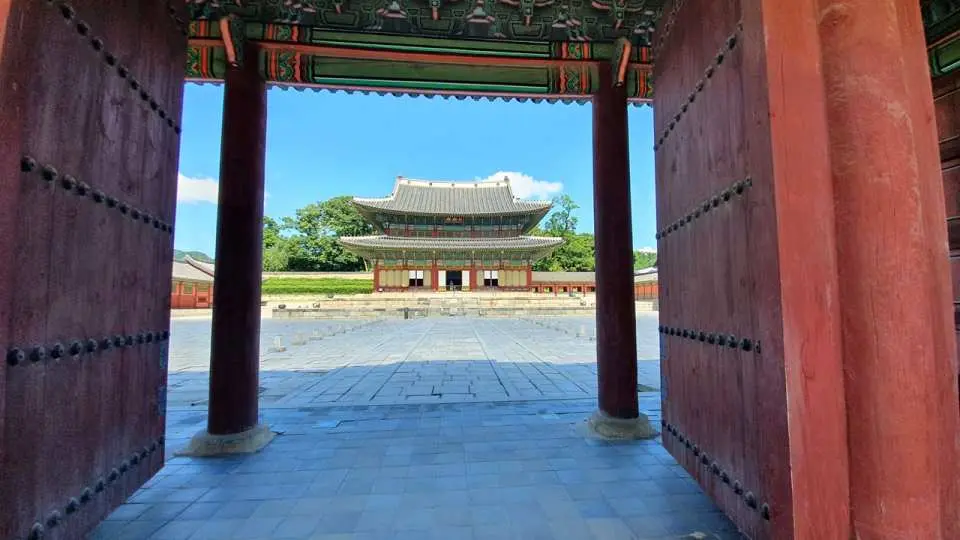
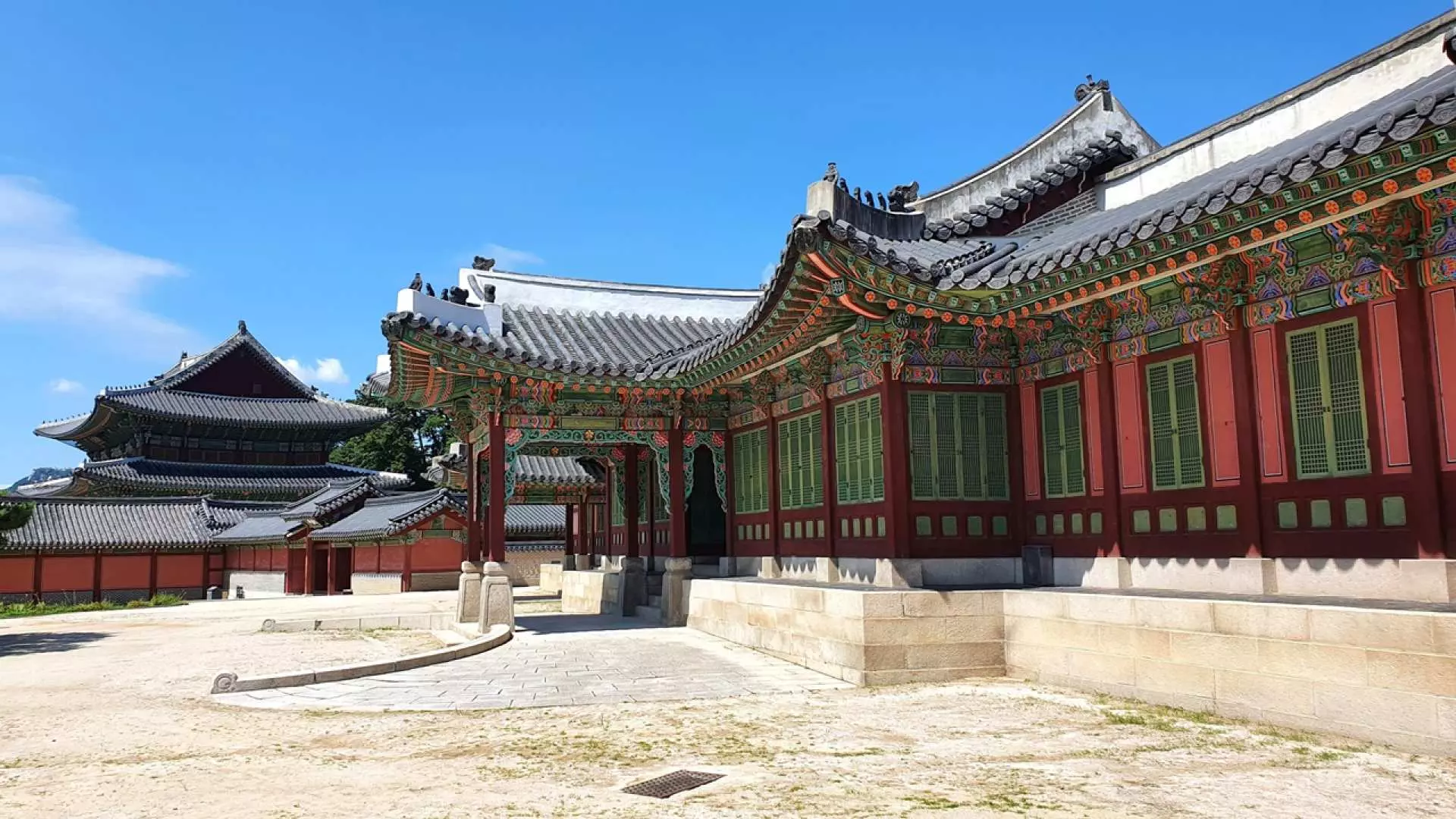
Changdeokgung Palace, registered as a UNESCO World Heritage Site in 1997, was built in 1405 as a secondary palace to Gyeongbokgung Palace, the main palace. It housed the Joseon Dynasty's government for approximately 270 years, beginning with King Gwanghaegun (1571-1641, the 15th King of the Joseon Dynasty). Covering a total area of approximately 135,000 square meters, the palace comprises 13 buildings, with 28 pavilions located in the rear garden, occupying the northern half. Changdeokgung Palace's charm lies in its beautiful palace gardens, which were created to preserve the rich natural surroundings. The rear garden's changing appearance throughout the four seasons is truly breathtaking.
- Gwangjang Market
In the past, markets in Korea were usually open on a non-permanent basis, such as once a day, every other day, or every 3, 5, or 7 days. However, Gwangjang Market was the first public market in Korea, established in 1905 with government permission, and became a large market handling all kinds of goods.
In the middle, there are food stalls lined up, and there are various menus such as vegetable bibimbap, bindaetteok made by grinding and grilling mung beans on the spot, sundae filled with ingredients, kalguksu, gimbap, jijimi, dumplings, raw fish, and yukhoe.
Suwon Hwaseong Fortress


Changdeokgung Palace


Important Info
Reminders
Please arrive at the designated location 10 minute(s) before the scheduled departure time, as the tour will depart on time
This tour is conducted in groups with other guests.
Please be punctual for the meeting time. The tour will depart 10 minutes after the meeting time. Failure to join will result in no mid-session participation or refunds.
Tour schedule may change or be canceled depending on weather, traffic conditions, etc.
There may be slight discrepancies in the travel time due to traffic conditions.
We are not responsible for any accidents caused by natural disasters or other causes not provided for in this tour.
Please refrain from making inquiries or phone calls to the Lotte Hotel Seoul Tour Lounge on the 2nd floor, which is the meeting place, as it is not related to the event.
Cancellation Policy
- For cancellations made at least 4 day(s) prior to selected date, a cancellation fee of 50% will apply
- Cancellation is not allowed between 0–3 days from the selected date. Orders cannot be canceled or modified, and refunds will not be granted.
- Due to time zone differences, the confirmed cancellation date is based on the supplier’s local time. Please allow 2–5 business days to process your cancellation request, after which the cancellation fee will be charged according to the product’s cancellation policy. Once your refund request is confirmed, KKday will initiate the refund to your original payment method within 15 days. The actual refund timing depends on your card-issuing bank’s policy.
FAQ
1. What makes Suwon Hwaseong Fortress a significant UNESCO World Heritage site?
Suwon Hwaseong Fortress is renowned for its unique blend of traditional Korean fortress construction with modern engineering techniques from the 18th century. It served as a planned city and military stronghold, showcasing advanced defensive structures, architectural innovation, and a vision of enlightened governance. Its historical integrity and beauty earned it UNESCO World Heritage status, representing an outstanding example of Joseon Dynasty fortress architecture.
2. How can visitors conveniently reach Suwon Hwaseong Fortress from central Seoul?
To reach Suwon Hwaseong Fortress from central Seoul, visitors can take a train or subway to Suwon Station, then transfer to a local bus (e.g., numbers 11, 13, or 36) directly to the fortress area. Alternatively, opting for a guided tour that includes transportation offers the most convenient way, eliminating the hassle of public transit transfers and ensuring a smooth journey directly to the site.
3. What are the main highlights and unique features of Changdeokgung Palace?
Changdeokgung Palace, a UNESCO World Heritage site, is celebrated for its harmonious integration with the surrounding natural landscape. Highlights include the Injeongjeon Hall, the main throne hall, and the beautiful Secret Garden (Huwon), which requires a separate guided tour. Its architecture exemplifies Joseon dynasty palace design, emphasizing natural beauty and thoughtful layout rather than symmetrical grandeur.
4. What is the typical itinerary and duration for a half-day tour of Suwon Hwaseong Fortress and Changdeokgung Palace?
A typical half-day tour usually begins in the morning, departing from Seoul. It includes guided exploration of Suwon Hwaseong Fortress, appreciating its walls and gates, followed by a visit to Changdeokgung Palace to experience its royal architecture and gardens. The tour often concludes with a stop at Gwangjang Market for a taste of traditional Korean street food, ensuring an efficient and culturally rich morning experience.
5. What kind of experience can visitors expect at Gwangjang Market during the tour?
At Gwangjang Market, visitors can immerse themselves in a vibrant traditional Korean market atmosphere. It's famous for its diverse range of street food, including iconic dishes like bindaetteok (mung bean pancake), tteokbokki (spicy rice cakes), and gimbap. The market offers a lively culinary and cultural experience, perfect for sampling local delicacies and observing daily life in Seoul.
6. Are there any practical tips for visiting Suwon Hwaseong Fortress and Changdeokgung Palace?
For Suwon Hwaseong Fortress, wearing comfortable shoes is highly recommended as there's a lot of walking along the walls. At Changdeokgung Palace, consider checking the Secret Garden tour schedule in advance as it's often limited and requires booking. Both sites benefit from early morning visits to avoid crowds. Bringing water and a hat, especially on sunny days, is also advisable.
7. How does a professional guide enhance the experience of visiting Suwon Hwaseong Fortress and Changdeokgung Palace?
A professional guide provides invaluable historical context and cultural insights into both Suwon Hwaseong Fortress and Changdeokgung Palace. They can explain the architectural significance, recount fascinating stories of the Joseon Dynasty, and highlight details easily missed by independent visitors. This expert commentary deepens understanding and appreciation, transforming a simple visit into a rich educational and immersive experience.
8. What are the key differences in architectural style and historical significance between Suwon Hwaseong Fortress and Changdeokgung Palace?
Suwon Hwaseong Fortress is a defensive structure, a unique blend of Eastern and Western military architecture built to protect a new royal city, embodying a king's reformist ideals. Changdeokgung Palace, conversely, served as a royal residence and administrative hub, known for its organic layout that harmonizes with nature, deviating from strict symmetry. Its significance lies in its role as a primary palace for centuries and its acclaimed garden design.


