


[Beijing, China] Visit Ji Xiaolan’s former residence + visit Chengnan Hutongs + learn to draw Rabbit Man + taste Beijing-style snacks | Half-day tour | Listen to the culture of old Beijing Hutongs
- [Expert explanation] The humorous old Beijing intangible cultural heritage master will take you to visit the former residences of celebrities and experience Beijing-style culture
- [Intangible Cultural Heritage Experience] Walk into the courtyard and make the mascot of old Beijingers, Lord Rabbit, up close with the master of intangible cultural heritage
- [In-depth Tour] Appreciate the beauty of intangible cultural heritage and listen to anecdotes and immortal legends that happened in the alleys
- [Exquisite Route] Craftsmanship and quality, careful arrangements, unconventional gameplay, interesting tours, personalized experience
Product Info
The content of this product is provided by machine translation and may not reflect the actual information, please take this into consideration before booking.
-Looking for intangible cultural heritage marks scattered in alleys-
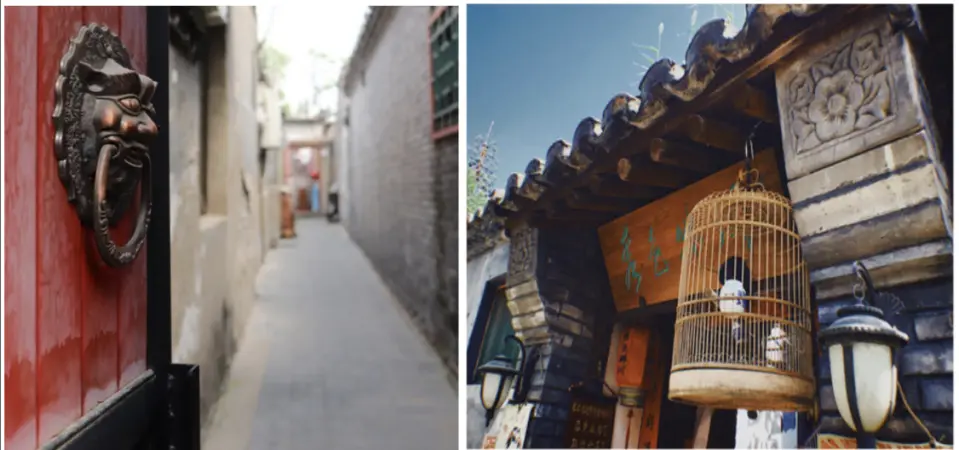
The master of intangible cultural heritage of old Beijing will take you to walk through the streets and alleys, visit the star alleys, listen to the old stories in the south of the city, visit the former residences of celebrities, the eight alleys of the old days, experience the street fireworks of the Forty-Nine South City, and learn to be the mascot of old Beijing - Lord Rabbit
Introduction to the fifth generation inheritor of Old Beijing Clay Painted Rabbit Sculpture
--The fifth generation outstanding inheritor of Beijing Clay Sculpture, an intangible cultural heritage
-- Beijing Municipal Bureau of Culture and Tourism Overseas Center—Estonian Intangible Cultural Heritage Recommendation Ambassador
--Beijing ASEAN Cultural Tour Intangible Cultural Heritage Recommendation Ambassador
-- Beijing News 2018 Beijing Painted Sculpture Craftsman of the Year


What You Can Expect
1 Day
- 09:00Gather at the entrance of Ji Xiaolan’s former residence
- Private tutoring expert - Teacher Zhang Zhongqiang, inheritor of old Beijing intangible cultural heritage, will greet you in advance at the door of Ji Xiaolan's former residence.
- 09:10Stroll around the alleys of Chengnan and listen to the old stories of Chengnan
- Walk around the streets and alleys, visit small and fresh alleys, visit the former residences of celebrities, the eight old alleys, the star-chasing alleys of old Beijing, etc., listen to the old stories in the south of the city, and feel the bustling atmosphere of Sijiu South City!
- 10:30Learn to draw Father Rabbit
- Listening to Mr. Zhang Zhongqiang, an inheritor of intangible cultural heritage, talk about the culture of Lord Rabbit while learning to draw Lord Rabbit
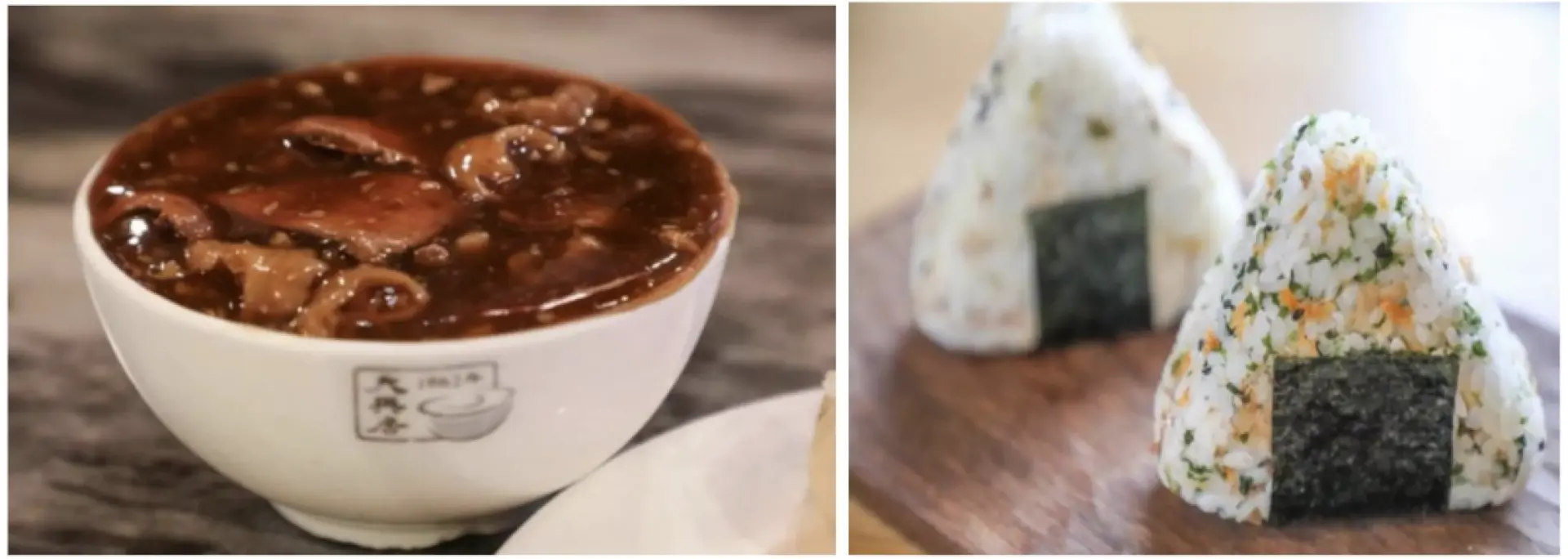
- 12:30Enjoy Beijing-style snacks in the alley
- To talk about the taste of old Beijing, it is the authentic fly restaurant in the alley...




Important Info
Includes/Excludes
Reminders
Before traveling, the tour guide will inform you of the actual gathering time and location. Please keep your mobile phone open and pay attention to WeChat notifications (please fill in the correct WeChat ID when ordering).
How to Redeem Your Voucher
Validity Period
- The voucher must be used on the selected date and within operating hours; Invalid after expiration
Meeting Point
Location Name: Ji Xiaolan's former residence
Address: No. 241, Zhushikou West Street, Xicheng District, BeijingCancellation Policy
- Once the order has been completed, it cannot be canceled, modified, or refunded
- Due to time zone differences, the confirmed cancellation date is based on the supplier’s local time. Please allow 2–5 business days to process your cancellation request, after which the cancellation fee will be charged according to the product’s cancellation policy. Once the cancellation is confirmed, you will receive your refund within 14 working days.
FAQ
Chengnan Hutongs, or southern city alleys, are deeply rooted in Beijing's history, representing the traditional urban fabric and lifestyle of Old Beijingers. They are not merely residential areas but living museums that preserve centuries-old architectural styles, community spirit, and intangible cultural heritage. These narrow lanes and courtyards reflect a unique blend of historical evolution and everyday life, offering a glimpse into the city's past.
The Chengnan Hutongs offer a distinct atmosphere throughout the year. Spring and autumn (April-May, September-October) are generally ideal, with pleasant weather perfect for walking tours. During these seasons, the courtyards are often vibrant, and the comfortable temperatures enhance the enjoyment of exploring the narrow alleys. Visiting in the early morning or late afternoon can also provide a quieter, more authentic local experience.
Ji Xiaolan’s Former Residence provides profound insights into the life of Ji Xiaolan, a prominent scholar, writer, and official during the Qing Dynasty. Visitors can explore the well-preserved traditional courtyard architecture, learn about his literary achievements, and understand the daily life of an elite family during that era. An expert guide often shares anecdotes and historical context, bringing the residence and its former occupant's legacy to life.
The Rabbit Man (Tuer Ye) drawing activity is a hands-on experience rooted in Old Beijing's intangible cultural heritage. Lord Rabbit is a traditional mascot, historically a deity for lunar worship, later evolving into a popular folk toy. Learning to draw or paint Lord Rabbit with a master offers a direct connection to this cherished craft, allowing participants to understand its cultural significance, symbolism, and the meticulous artistic techniques passed down through generations.
During a Beijing-style snacks tasting experience, visitors often have the opportunity to sample a variety of traditional local delicacies. Common options might include Lvdagun (rolling donkey), Aiwowo (glutinous rice cake), Fried Sauce Noodles (Zhajiangmian), or various savory pancakes. These snacks are selected to represent authentic flavors and culinary traditions deeply embedded in Beijing's local food culture, offering a genuine taste experience.
To reach Ji Xiaolan’s Former Residence and the Chengnan Hutongs area, taking Beijing's efficient subway system is highly recommended. The closest subway stations are typically accessible via Line 7 or Line 4, with a short walk required to reach the specific destinations. Within the hutongs themselves, walking is the primary and most immersive way to explore, allowing visitors to fully appreciate the narrow alleys and hidden courtyards. Taxis or ride-hailing services are also options for direct transport to the general area.
Exploring the Chengnan Hutongs with a knowledgeable guide often reveals a wealth of unique anecdotes and immortal legends passed down through generations. These stories might include tales of famous residents, historical events tied to specific courtyards, or local folklore about the origins of street names and traditional practices. These narratives offer a rich, personal dimension to the hutong experience, providing a deeper understanding of Old Beijing's cultural tapestry beyond just architectural sightseeing.
For a comprehensive experience, typically a visit to Ji Xiaolan’s Former Residence and an immersive exploration of the adjacent Chengnan Hutong culture would last approximately half a day. This duration allows ample time for guided explanations at the residence, engaging in cultural activities like the Rabbit Man drawing, and leisurely walking through the hutongs to savor the traditional atmosphere and taste local snacks without feeling rushed. The pacing ensures a thorough and enjoyable cultural journey.
Get Help


