


From Hurghada: Valley of Kings, Hatshepsut, Karnak & Lunch
- Explore the ancient sights of Luxor in this small-group tour
- Marvel at the Valley of the Kings and Hatshepsut Temple
- Tour around the Colossi of Memnon
- Admire the monuments at the Temple of Karnak
- Enjoy lunch at a local restaurant in Luxor
Product Info
Be collected from your accommodation and meet your Egyptologist tour guide, who will take you on a full-day tour to the East and West Banks of Luxor. The West Bank is the primary destination. Here, explore the archaeological elements at the pharaonic temples, which are the gateway to the Valley of The Kings housing the tombs of famous Pharaohs of ancient Egypt.
Continue your tour and visit the Mortuary Temple of Hatshepsut, also known as the Foremost of Noble Ladies, and marvel at its ancient monuments. Next, go to the Colossi of Memnon and visit the two astonishing stone statues of Pharaoh Amenhotep III.
Take a break to refresh yourself with a delicious lunch at a local restaurant. Next, visit the East Banks of the Nile, aboard a ferry boat crossing for 5 minutes from West to East Bank of Luxor. The pristine temple complex of Temple of Karnak is your first destination in the East Valley. At the end of your tour, you will be transferred back to your accommodation in Hurghada.
Stand in awe before the colossal guardians of ancient Egypt.


Discover the history of Karnak.
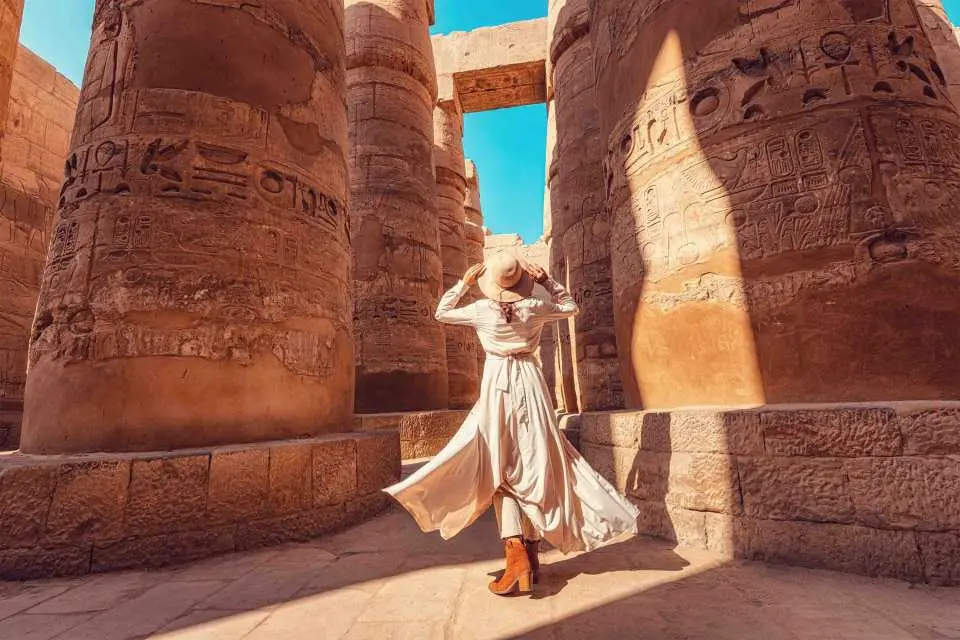

Explore the secrets of the pharaohs at the Valley of the Kings.


Marvel at the beauty of the Temple of Hatshepsut.
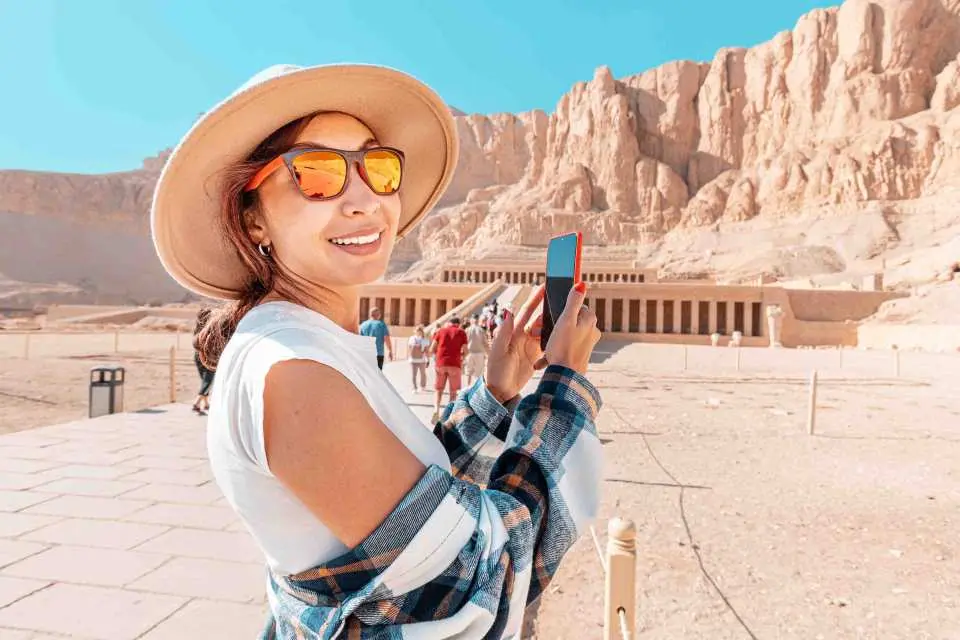

Strike a pose with the incredible Temple of Hatshepsut behind you


Purchase Notice
- Keep some change of Egyptian Pounds with you while sightseeing to pay at the restrooms if needed
- As this is a group tour, you will stop to pick up other guests on the way to Luxor. On the way, you'll stop for approximately 15 minutes to use the restroom
- Pickup and drop-off will be by a representative in Hurghada and your tour guide will meet you in Luxor to start your tour
- Pickup from Makadi, Safaga, El Gouna, Sahl Hasheesh and Soma bay areas will be is available at an additional cost based on your location
- Please share your correct nationality, hotel name, address, and room number. The pick- up point will be at the main entrance of the Main Gate; hotel on the highway, not at the reception gate or area
Reminders
Please arrive at the designated location 15 minute(s) before the scheduled departure time, as the tour will depart on time
Cancellation Policy
- Cancellations 0 day(s) (inclusive) before the selected date are allowed. Unused orders can be canceled for free
- Due to time zone differences, the confirmed cancellation date is based on the supplier’s local time. Please allow 2–5 business days to process your cancellation request, after which the cancellation fee will be charged according to the product’s cancellation policy. Once the cancellation is confirmed, you will receive your refund within 14 working days.
FAQ
The Valley of the Kings contains over 60 known tombs, primarily for pharaohs and powerful nobles of the New Kingdom (18th to 20th Dynasties). While not all are pharaohs, it served as the burial ground for many prominent rulers including Tutankhamun, Seti I, and Ramses II. The exact number of pharaohs varies as discoveries continue, but it was the principal necropolis for royal burials for nearly 500 years.
The Valley of the Kings is situated on the West Bank of the Nile River, opposite the modern city of Luxor, which was ancient Thebes. It is nestled in the Theban Hills, a desert valley in Upper Egypt. This remote location was chosen during the New Kingdom for its natural defenses and proximity to the Nile for easier transport of funerary goods.
No, the Valley of the Kings is not older than the Great Pyramids of Giza. The Great Pyramids were primarily built during the Old Kingdom, approximately between 2580–2560 BC. In contrast, the Valley of the Kings was used for royal burials much later, throughout the New Kingdom, from roughly 1539 BC to 1075 BC, making it significantly younger.
The tombs in the Valley of the Kings were primarily commissioned by the pharaohs of Egypt's New Kingdom. Thutmose I is generally considered the first pharaoh to have his tomb constructed there, initiating the practice of burying royalty in hidden rock-cut tombs rather than large pyramids. This tradition was continued by successive pharaohs for centuries, aiming to protect their eternal resting places from tomb robbers.
To conveniently visit the Valley of the Kings and Hatshepsut Temple from Luxor city, joining an organized guided tour is highly recommended. These tours typically include comfortable transportation across the Nile to the West Bank, often by ferry or bridge, and then by vehicle directly to the sites. This eliminates the need to arrange multiple transport segments and ensures an organized, efficient itinerary for exploring these significant ancient locations.
The Colossi of Memnon are two massive stone statues of Pharaoh Amenhotep III, located on the West Bank of the Nile in Luxor. They are significant as the last standing remnants of Amenhotep III's mortuary temple, which was once the largest and most opulent temple in ancient Egypt. These colossal figures served as guardians to the temple, symbolizing the pharaoh's immense power and divinity, and provide a compelling glimpse into the grandeur of the New Kingdom's architectural ambitions.
The Temple of Karnak complex is a vast site showcasing centuries of pharaonic construction. Key architectural features to observe include the colossal Hypostyle Hall with its 134 massive columns, the sacred lake, towering pylons, and the avenue of sphinxes. Visitors should also look for the numerous obelisks dedicated to various pharaohs and queens, intricate hieroglyphs, and detailed reliefs depicting religious rituals and military victories across its many sanctuaries and structures.
An Egyptologist tour guide significantly enhances a visit to Luxor's ancient sites like the Valley of the Kings and Karnak Temple. They provide in-depth historical context, explain the intricate hieroglyphs and tomb paintings, and share fascinating stories of the pharaohs and ancient Egyptian beliefs. Their expertise helps visitors understand the complex history, cultural significance, and architectural marvels, transforming a sightseeing trip into a deeply educational and immersive experience.
Get Help


