



Sto Nino Church - All You Need to Know | Cebu, Philippines
- Historical Significance: As the oldest Roman Catholic church in the Philippines, it holds a prominent place in the country's religious history.
- Home to the Santo Niño: The church houses the revered statue of the Santo Niño, the centerpiece of the famous Sinulog Festival in Cebu.
- Architectural Marvel: Admire the intricate frescoes and stunning interior design of this historic religious building.
- Eclectic Architecture: A unique blend of Muslim, Romanesque, and neo-classical styles creates a striking and harmonious facade.
- Preserved Beauty: The original stone texture and natural color have been maintained, giving the church a timeless elegance.
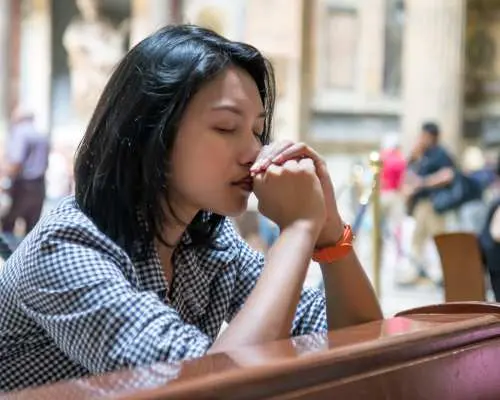
- Pilgrimage Destination: Experience the vibrant atmosphere of outdoor masses on Fridays and Sundays, where thousands of devotees gather.
Product Info
-What to Expect @ The Sto Nino Church-
The Sto Nino Church or Basilica del Santo Niño, the oldest Roman Catholic church in the Philippines, was established in 1565 by Spanish explorers. The basilica's architecture is a unique blend of Muslim, Romanesque, and Neoclassical styles, evident in its elegant stone facade. Beyond its architectural beauty, the basilica houses a museum filled with religious art and artifacts. The adjacent convent features a library with both religious and secular texts, as well as a valuable archive collection. The current structure, completed in 1740, houses the nation’s oldest religious relic: the Santo Niño de Cebu statue. The Santo Niño statue remains a significant cultural landmark and pilgrimage site. Devotees from across the country converge here, especially during the Sinulog Festival, a vibrant celebration honoring the child Jesus. Whether you're a religious pilgrim or a curious tourist, the Basilica del Santo Niño offers a captivating experience. Admire its architectural beauty, immerse yourself in its rich history, and witness the deep faith of its devotees. This historic basilica stands as a testament to Christianity's enduring presence in the Philippines.
Admission to the basilica and its museum is absolutely free! However, your generous donations contribute to the upkeep and preservation of this historic landmark.
-Highlights of The Sto Nino Church-
- The Santo Niño de Cebu:
This small wooden statue of the Child Jesus was given by Ferdinand Magellan to Rajah Humabon's wife in 1521. It's a revered religious relic and the centerpiece of the Sinulog Festival. - Spanish Colonial Art:
Admire paintings that depict the arrival of the Spanish conquistadors in the Philippines. Marvel at the gold and silver artifacts and jewel-encrusted robes used to adorn the Santo Niño statue. - Architectural Beauty:
Appreciate the basilica's distinctive red brick facade. Gaze up at the towering twin spires that adorn the church. Marvel at the intricate stained glass windows that illuminate the interior. - Museum Collection:
Explore the small museum that houses a collection of religious artifacts, vestments, and other relics from the colonial era. - Spiritual Experience:
Immerse yourself in the spiritual atmosphere and witness the devotion of pilgrims from around the world. Understand the profound cultural and religious significance of the Basilica del Santo Niño.
-Best Time to Visit-
The Basilica del Santo Niño is open daily from 6:00 AM to 7:00 PM. However, for a more vibrant and immersive experience, consider visiting on Sundays when numerous masses and festivities take place.
If you want to witness the basilica at its peak, the Sinulog Festival celebrated every 3rd Sunday in January is an excellent choice. This annual celebration features colorful street dances, extravagant floats, and a joyful atmosphere that perfectly complements the basilica's spiritual significance.
-How to Get to Sto Nino Church-
The Basilica del Santo Niño is conveniently located in downtown Cebu City. Here are your options for reaching this historic landmark:
- Walking:
- If you're staying in the city center, it's a pleasant 10-15 minute walk to the basilica.
- Enjoy the local atmosphere and soak in the city's charm along the way. - Public Transportation:
- Jeepney: This is the most affordable option. Flag down a jeepney with the route number "03" or "04" and ask the driver to drop you off at the Basilica del Santo Niño.
- Taxi/Ride Hailing App: For a more comfortable and direct ride, take a taxi or a ride hailing app like Grab. Simply provide the driver with the destination. - Joining a Tour:
- For a hassle-free experience and expert guidance, consider joining a guided tour that includes the Basilica del Santo Niño as a stop. We offer tours often offer additional attractions and insights into the city's history and culture.
See our best selling tours with Sto Nino Church below!
- Ultimate Cebu City Tour (Shared/ Private)
- Historical Cebu Half-Day Private Tour
- Cebu City Private Half-Day Day Tour with Transfers
- Private Tour : Cebu Cultural Tour with a Taste of Cebu's Famous Lechon
-What else can you see around the area?-
Magellan's Cross: A historic landmark where Ferdinand Magellan planted a cross upon his arrival in Cebu.


Fort San Pedro: The oldest Spanish fort in the Philippines, offering a glimpse into the country's colonial past.


Casa Gorordo Museum: A beautifully preserved 19th-century colonial house showcasing the lifestyle of the Filipino elite during that period.


Cebu Metropolitan Cathedral: The majestic ecclesiastical seat of the Archdiocese of Cebu, known for its stunning architecture.


You don’t want to miss Basilica del Santo Niño when you visit Cebu City, where the rich heritage blends seamlessly with the city’s stunning beauty and vibrant atmosphere, making it a must-see destination that captures the essence of Cebu’s charm and cultural flair in every delightful corner!


Purchase Notice
A FEW INSIDER TIPS FOR TRAVELERS!
- No Photography and Videography inside the church: Refrain from taking photos or videos inside the church during Mass or religious ceremonies.
- Be Quiet and Respectful: Maintain a quiet demeanor and avoid loud talking while inside the basilica.
- No Touching: Do not touch any artifacts or statues without explicit permission.
- Souvenir Shopping: Explore the souvenir shops on the church grounds for religious items, local crafts, and snacks.
- Relaxing Courtyard: Enjoy the peaceful atmosphere and people-watch in the courtyard in front of the basilica.
- Wear Comfortable Shoes: Wear comfortable shoes, as you'll be doing a lot of walking.
- Hydration is important: Stay hydrated, especially during the warmer months.
- Wear Sun Protection: Don't forget to apply sunscreen and wear a hat to protect yourself from the sun.
- Wear Respectful Attire: Dress modestly when visiting religious sites like the basilica and cathedral.
- Try Local Cuisine: Sample the delicious local cuisine at nearby restaurants.
-Dress Code-
As a place of worship, the church maintains a modest dress code. Revealing attire is NOT ALLOWED such as:
- Women: Short skirts or shorts, sleeveless tops, and low-cut tops
- Men: Shorts, sleeveless shirts, and flip-flops
Adhering to this dress code is essential for respecting the sacred space and ensuring a peaceful visit. Failure to comply may result in being denied entry.
Reminders
This is not a tour package: Purchasing this package does not include any guided tours, services, or additional benefits.
Purpose: This package is intended for you to express interest and leave a review after visiting Sto Nino Church
Self-Guided Visit: Your visit to Sto Nino Church is self-guided. There are no scheduled activities or services provided by KKday for this product page.
No Responsibility: KKday does not hold any responsibility for any risks, incidents, or personal safety during your visit to Sto Nino Church. Visitors are advised to exercise caution and adhere to local guidelines.
Reviews Encouraged: After your visit, we encourage you to leave a review and share your experience to help other travelers.
Reward with KKday Coupons: Gain a free coupon with your honest reviews!
Experience Location
Location Name: The Sto Nino Church or Basilica del Santo Niño
Address: Pilgrim’s Center, Osmeña Blvd, Cebu City, 6000 Cebu, PhilippinesMonday 06:00–19:00 (Last Entry Time: 17:30)
Tuesday 06:00–19:00 (Last Entry Time: 17:30)
Wednesday 06:00–19:00 (Last Entry Time: 17:30)
Thursday 06:00–19:00 (Last Entry Time: 17:30)
Friday 06:00–19:00 (Last Entry Time: 17:30)
Saturday 06:00–19:00 (Last Entry Time: 17:30)
Sunday 06:00–19:00 (Last Entry Time: 17:30)
Cancellation Policy
- Once the order has been completed, it cannot be canceled, modified, or refunded
- Due to time zone differences, the confirmed cancellation date is based on the supplier’s local time. Please allow 2–5 business days to process your cancellation request, after which the cancellation fee will be charged according to the product’s cancellation policy. Once the cancellation is confirmed, you will receive your refund within 14 working days.
Get Help


